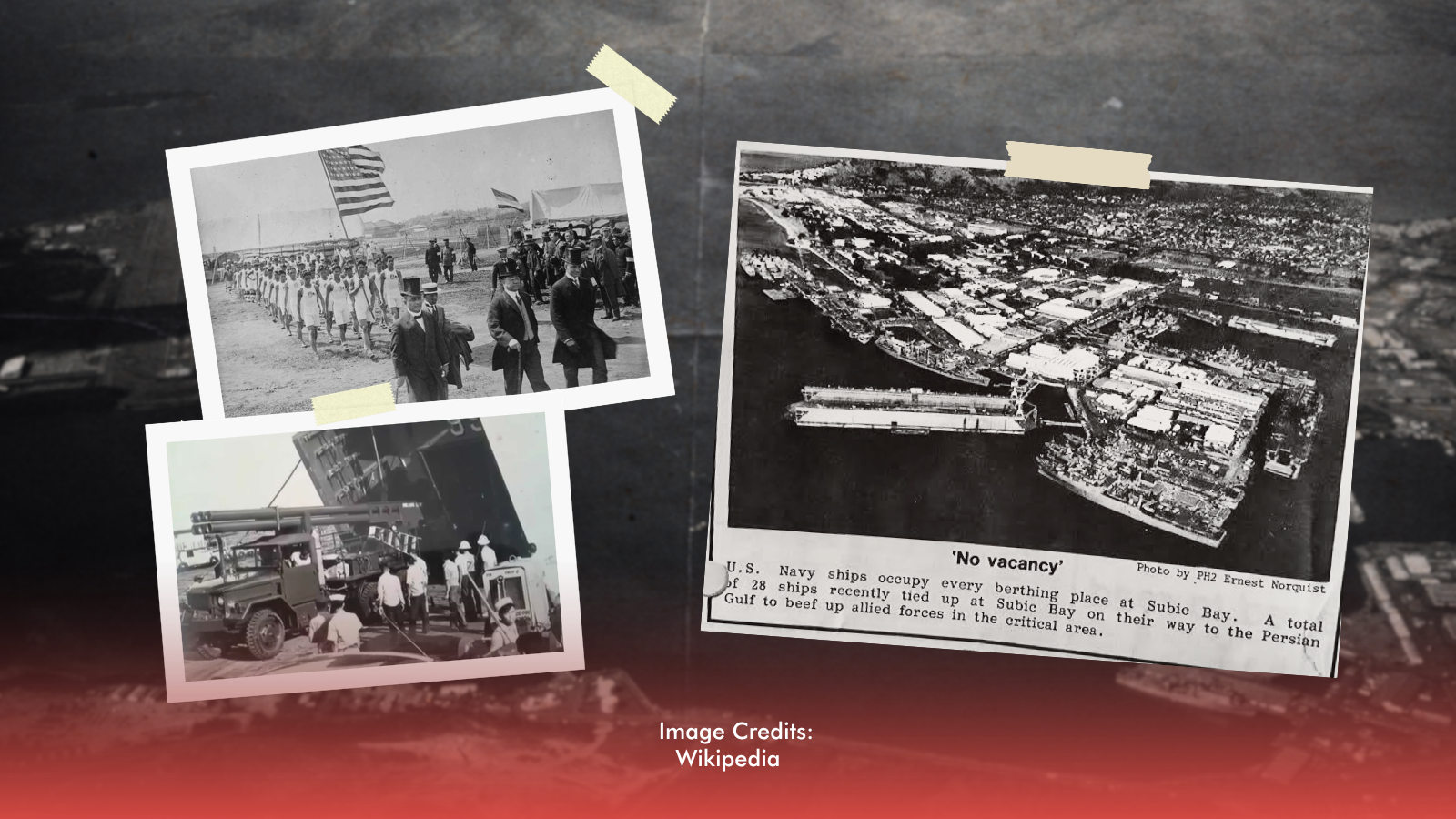
Subic Bay, Zambales, once stood as the largest overseas U.S. naval base in the world and a strong symbol of American military power in the Philippines. In 1991, through public resistance and a historic Senate vote, Filipinos reclaimed that land and ended the era of permanent U.S. bases.
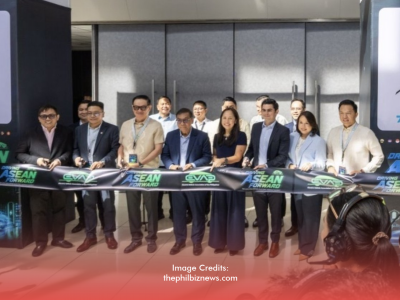
Today, a new proposal is bringing old questions back. The U.S.-led Partnership for Indo-Pacific Industrial Resilience plans to build an ammunition factory in Subic to assemble cannon rounds. While presented as a security partnership, it also raises concerns about whether the Philippines is once again becoming dependent on foreign military interests.
This issue reflects a larger question in Philippine defense policy: Are we building true military independence or simply supporting the strategic goals of stronger allies?
When the Philippines Built for Itself
In the 1970s, the Philippines pursued the Self-Reliant Defense Posture (SRDP) program to reduce dependence on foreign military suppliers. The country developed projects like the Bongbong rockets under Project Santa Barbara, the MX-1 and Hari-Dawa armored vehicle prototypes, and local production of M16 rifles and ammunition. These efforts showed that defense sovereignty was possible.
The Modern Dependency Trap
Today, that momentum has weakened. The Philippines remains heavily reliant on U.S. military aid, often receiving aging equipment that creates long-term dependence on foreign parts, maintenance, and technical support. Instead of building local industries, this system makes dependence easier.
Military agreements such as the Visiting Forces Agreement (VFA) and the Enhanced Defense Cooperation Agreement (EDCA) also allow U.S. troops access to strategic locations across the country. While framed as mutual defense partnerships, they also place the Philippines deeper within U.S. strategic competition in the Indo-Pacific.
Dependence also affects policy. When defense planning is shaped by foreign training and outside strategic priorities, it becomes harder to imagine true self-reliance.
Reclaiming Defense Sovereignty
The Self-Reliant Defense Posture Revitalization Act or Republic Act 12024 offers hope for change. It aims to strengthen Filipino-owned defense industries and revive local military production.
True independence is not just about history or celebration. It means having the ability to protect national interests using our own strength.
As tensions grow in the region, the Philippines must decide whether it wants to remain dependent on foreign powers or finally build a defense system that stands on its own.