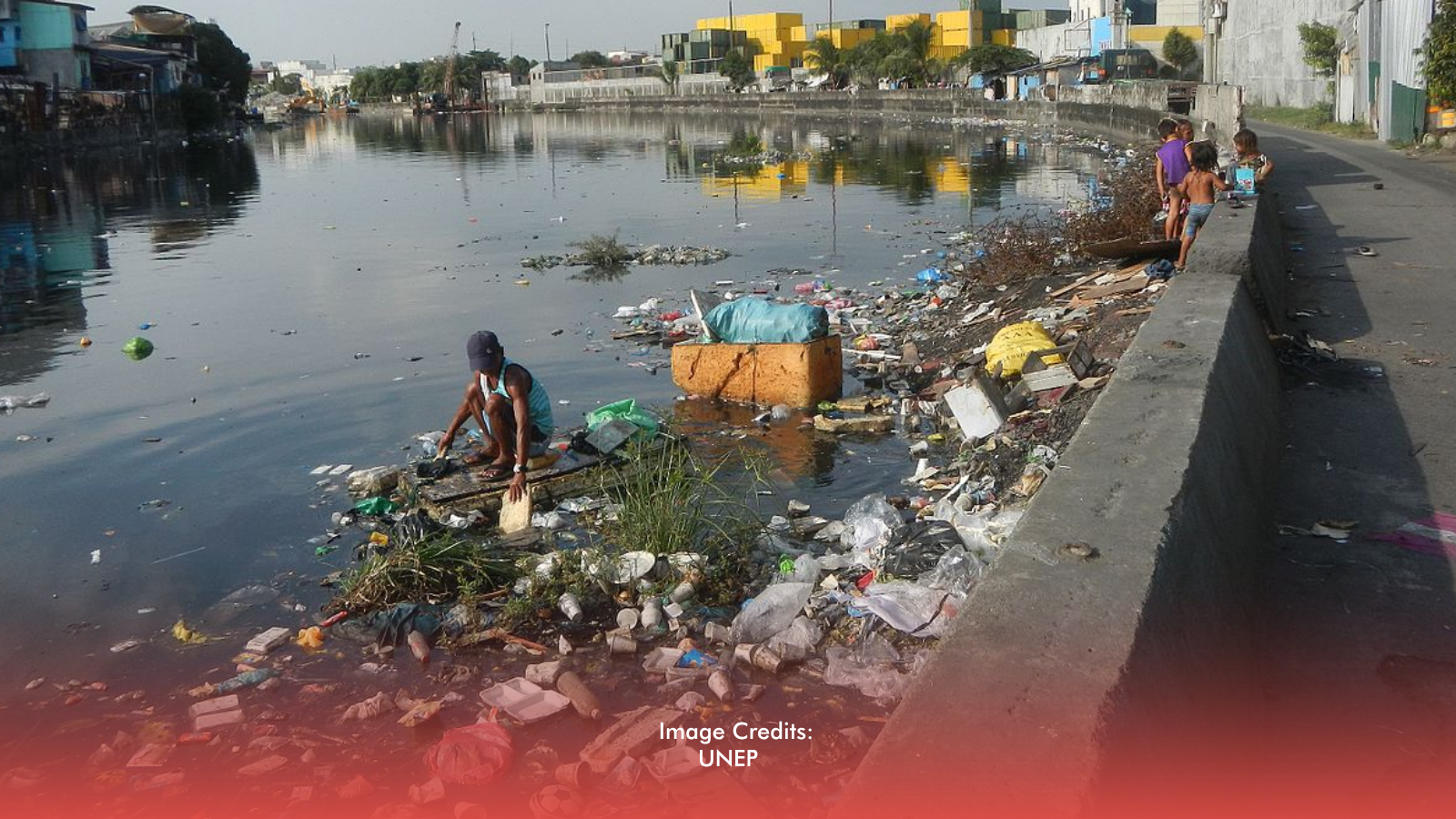
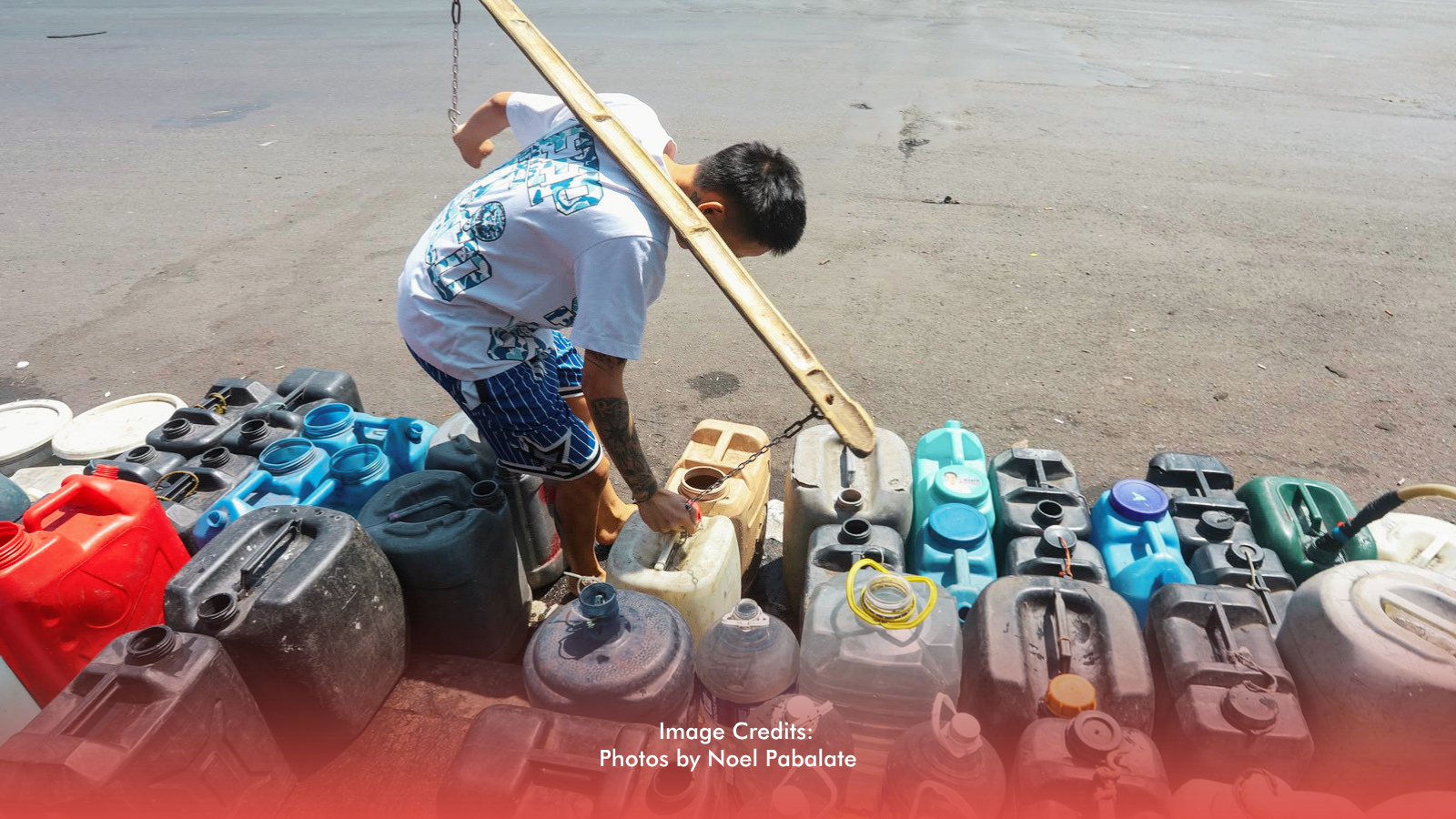
Water scarcity in the Philippines remains a growing concern, even as the country is surrounded by vast bodies of water. As an archipelago, access to water should theoretically be abundant, yet many communities still experience interruptions, shortages, and inconsistent supply.
This disconnect raises a question that is far more complicated. Is the issue rooted in water providers and distribution systems, or does it stem from limitations in natural freshwater sources? The answer points more towards the latter, revealing a more complex and systemic challenge.
Supply vs. Distribution Gaps
One of the most visible issues lies in how water is delivered to households. In urban areas, aging infrastructure, leaks, and uneven distribution systems contribute to water loss and unreliable access. Even when supply exists, inefficiencies in pipelines and storage can prevent it from reaching end users consistently.
At the same time, demand continues to rise. Rapid urbanization, population growth, and expanding industries place increasing pressure on existing water systems. Without major upgrades in our country’s water infrastructure, providers struggle to keep up, leading to rotational interruptions or reduced pressure in many areas.
However, focusing solely on providers oversimplifies the issue. While distribution plays a major role, it is only one part of a larger problem.
Limits in Natural Freshwater Sources
Despite being surrounded by seawater, the Philippines relies heavily on limited freshwater sources such as rivers, lakes, and dams. These sources are vulnerable to seasonal changes, especially during dry months when water levels drop significantly.
Watersheds, which are critical for replenishing these supplies, have also been affected by deforestation and land conversion. As a result, the natural capacity to store and sustain water has weakened over time, making shortages more likely even in areas near major sources.
Climate variability further complicates the situation. Longer dry seasons and unpredictable rainfall patterns reduce the reliability of traditional water sources, exposing the country’s lack of diversification in supply.
Addressing this issue requires a broader approach. Investments in infrastructure must go hand in hand with efforts to protect watersheds, develop alternative sources like desalination or rainwater harvesting, and improve long-term water management planning.
Ultimately, the country’s water problem is not simply about being surrounded by water but about how effectively it is sourced, managed, and delivered. For everyday Filipinos, this translates to a basic necessity that remains uncertain, highlighting the urgent need for sustainable and forward-looking solutions.