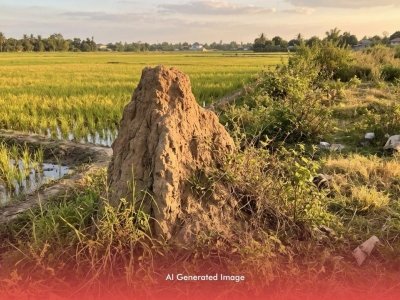
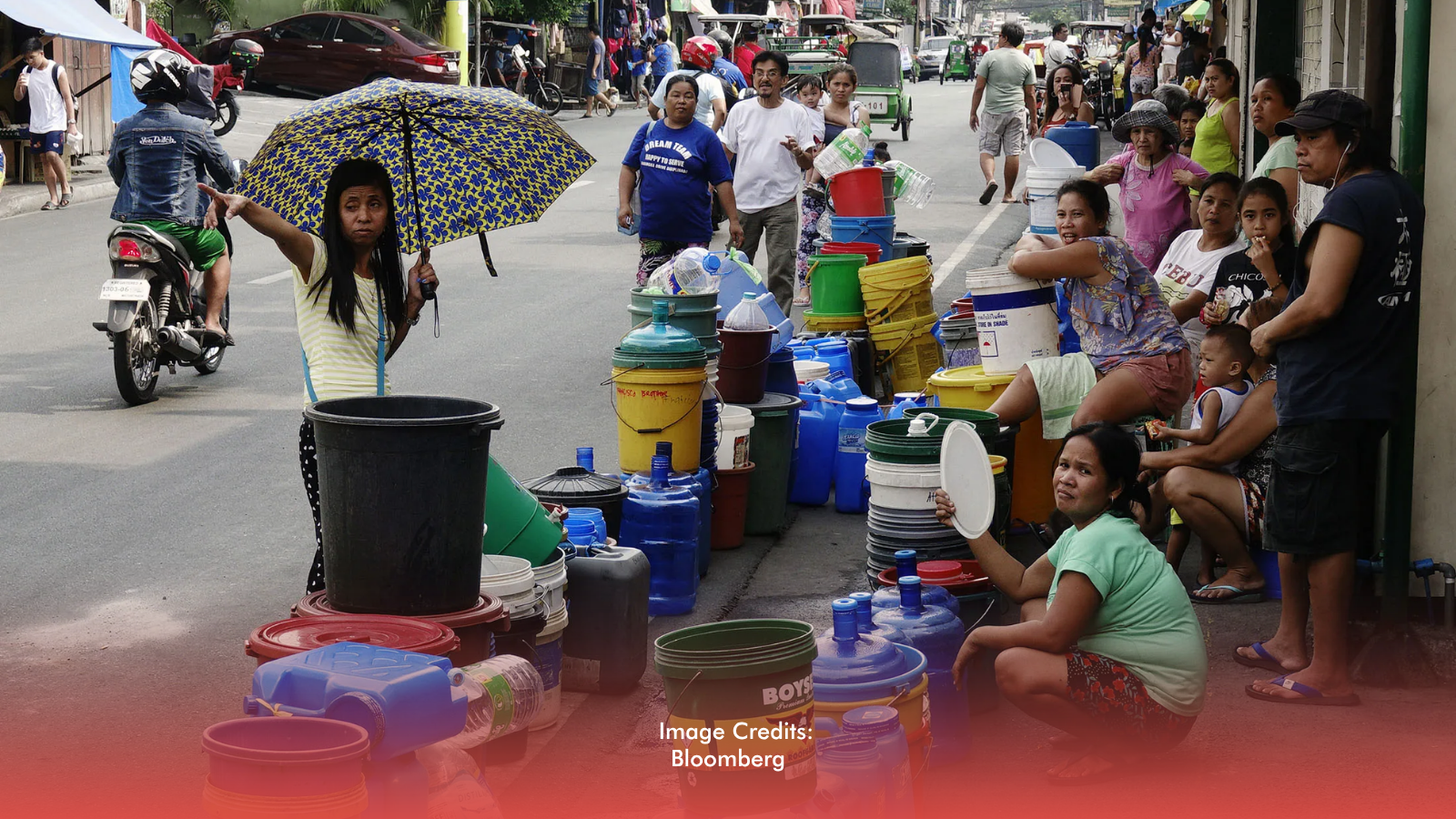
Water shortages in the Philippines are often felt at the household level, where low pressure and dry taps quickly spark frustration. But long before water reaches homes, a quieter and less visible crisis is already unfolding at its source.
While many assume the problem lies with distribution or providers, a deeper issue exists within the country’s natural systems. The degradation of watersheds, forests, and freshwater sources is steadily weakening the foundation of the nation’s water supply.
The Role of Watersheds in Water Supply
Watersheds serve as the natural storage and filtration system of water. Forested areas absorb rainfall, allowing it to seep into the ground and replenish rivers, dams, and underground reserves. This process ensures a steady and sustainable flow of water even during dry periods.
However, years of deforestation and land conversion have disrupted this balance. As trees are cleared and land is developed, the soil loses its ability to retain water. Rainfall that once nourished reservoirs now runs off quickly, often leading to flooding instead of replenishment.
This means that even during periods of heavy rain, less water is actually stored for future use. Over time, this weakens the reliability of major water sources that millions depend on.
Environmental Decline and Its Ripple Effects
The impact of environmental degradation goes beyond immediate water loss. Reduced forest cover leads to soil erosion, which can silt up dams and rivers, further decreasing their capacity to store water. Groundwater levels also suffer, as less water is able to penetrate and recharge underground aquifers.
Climate variability adds another layer of strain. Longer dry seasons and unpredictable rainfall patterns make it harder for already weakened ecosystems to recover. Without strong natural buffers, water supply becomes more vulnerable to sudden drops during periods of low rainfall.
This creates a cycle where supply becomes increasingly inconsistent, regardless of how efficient distribution systems may be. Even the most advanced infrastructure cannot compensate for a source that is steadily declining.
Looking Beyond the Surface
Addressing the country’s water challenges requires shifting focus from what is visible to what is happening behind the scenes. Protecting and restoring watersheds, enforcing sustainable land use, and investing in long-term environmental management are critical steps toward securing water supply.
Alternative solutions such as rainwater harvesting and diversification of sources can help, but these must be supported by efforts to rebuild the ecosystems that naturally sustain water availability.
For the average Filipino, this unseen crisis has very real consequences. Every interruption in water supply, every drop in pressure, and every shortage traces back to a system under strain. Understanding that the problem begins at the source highlights the urgency of protecting the country’s natural resources to ensure a more reliable and sustainable water future.
RELATED: [Why A Water-Rich Philippines Still Faces Water Shortages]