A health expert is urging the public to cut back on coffee as the country continues to experience dangerous heat index levels in several areas.
Dr. Abdul Javar Esturco, president of the Philippine College of Occupational Medicine – Zamboanga Peninsula Chapter, warned that caffeine can worsen dehydration during extreme heat.
He explained that coffee’s diuretic effect causes the body to lose more fluids and electrolytes, especially when combined with heavy sweating caused by high temperatures. While coffee is commonly used to stay alert, he said it may work against the body’s need to retain water in hot weather.
Esturco added that caffeine also affects kidney function by reducing sodium reabsorption, which leads to increased water loss and makes it harder for the body to maintain fluid balance.
Processed Foods Linked to Health Strain
The expert also cautioned against frequent consumption of processed and fast foods, which are typically high in salt and sodium.
He said excessive sodium intake can raise blood pressure and increase the risk of heart-related complications, especially during hot weather when the body is already under stress.
Esturco noted that cases of hypertension and cardiovascular issues are being more commonly observed during the dry season, even in the morning hours. He emphasized that limiting salty and processed foods can help reduce the risk of heat-related illnesses.
Hydration and Heat Safety Reminders
To stay safe, Esturco recommended drinking fluids that help restore electrolytes, such as buko juice. He said coconut water can help replenish salts lost through sweat and support hydration. Electrolyte drinks may also be helpful for faster absorption.
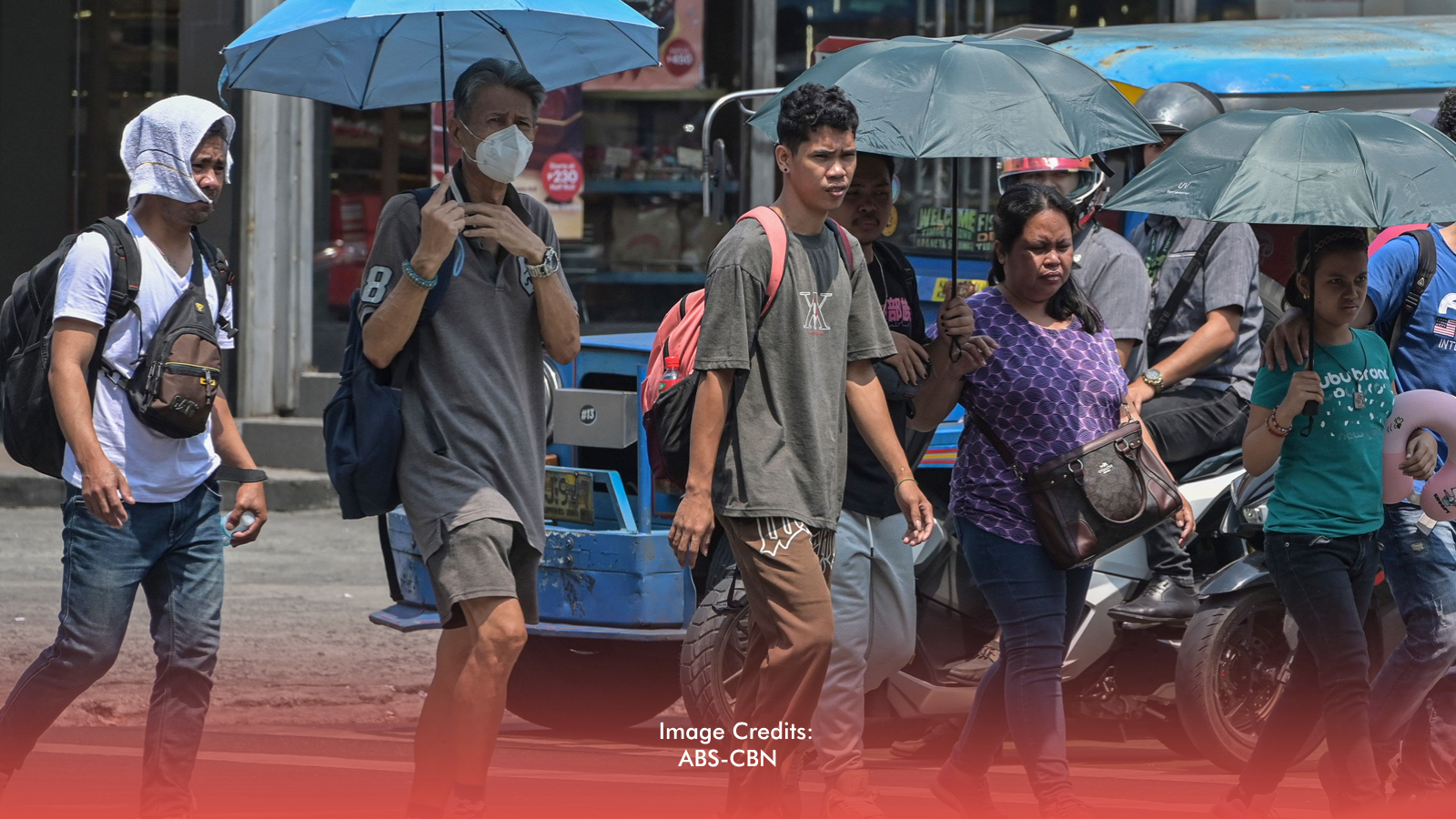
The Philippine Atmospheric, Geophysical, and Astronomical Services Administration said 49 areas nationwide are expected to hit “danger-level” heat indices of 42°C to 51°C, increasing the risk of heat cramps, exhaustion, and heat stroke.
The Department of Health advises drinking at least 2.5 liters of water daily, avoiding sun exposure from 10 a.m. to 4 p.m., and wearing light clothing. Proper food handling is also important, as high temperatures speed up bacterial growth.
People experiencing dizziness, weakness, nausea, confusion, or chest pain are advised to seek immediate medical attention.