There’s something unsettling about how quickly “safety” can be redefined.
In just a few days, the government’s “Safer Cities” campaign led to tens of thousands of apprehensions across Metro Manila. On paper, it sounds decisive: order is being restored, discipline is back, and the streets are being cleaned up. But look closer, and a different picture starts to form.
One that raises a harder question: who exactly is being made safe—and from whom?
Policing What’s Easy
Most of those flagged weren’t criminals in the way people usually fear. They weren’t armed robbers or violent offenders.
Instead, they were people drinking on sidewalks, smoking in public, going shirtless under the heat, or staying out past curfew. Minor infractions, suddenly treated with major urgency. The kind of violations that are easy to spot, easy to catch, and easy to count.
And maybe that’s the point.
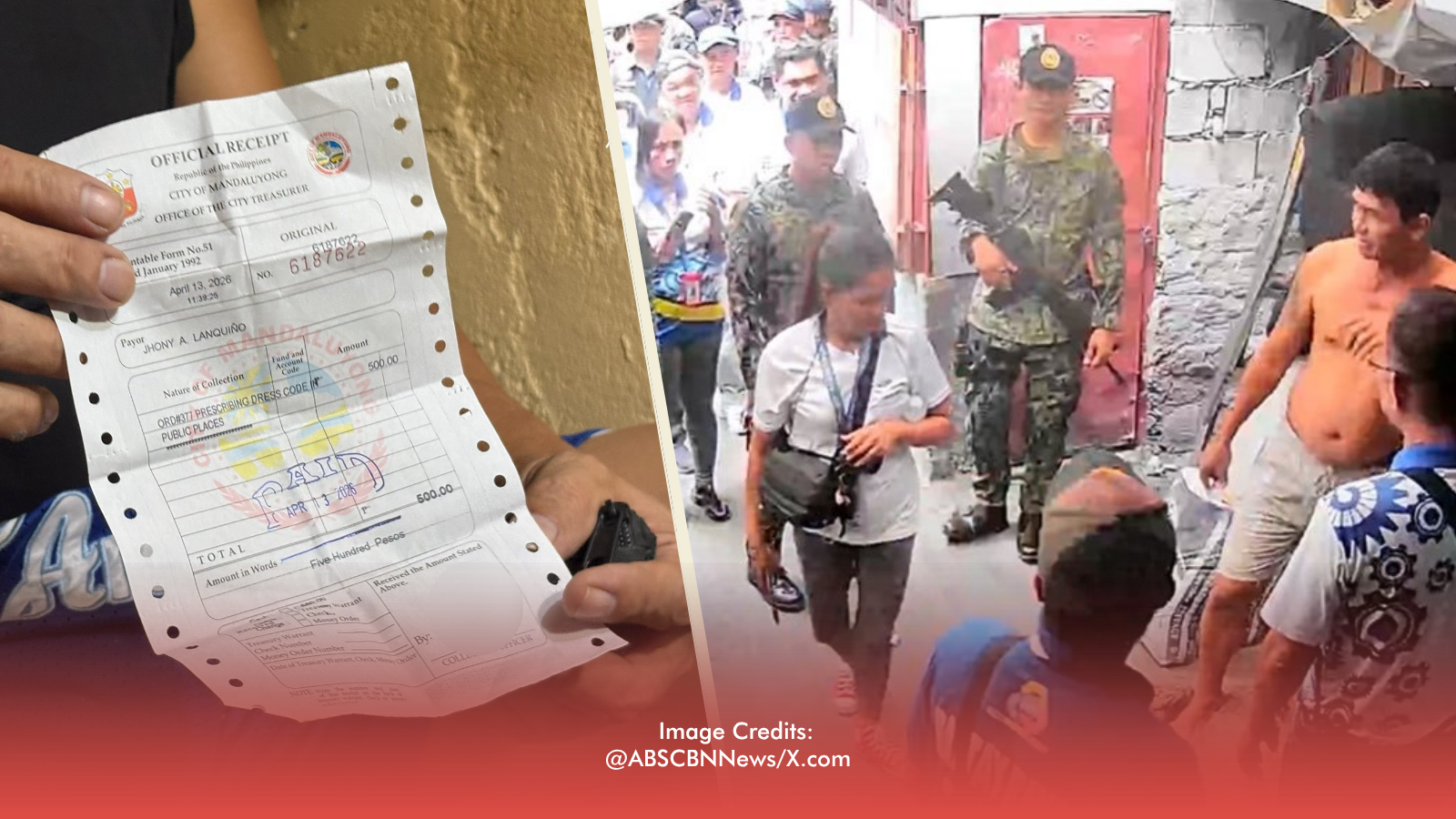
The Cement Mixer Incident
One moment, in particular, cut through the narrative.
DILG Sec. Jonvic Remulla publicly apologized to a man who had been fined for mixing cement while shirtless. A laborer, working under the heat, was penalized for something that, in context, made complete sense.
The apology was swift. The acknowledgment was clear.
But it also raised an uncomfortable question: if this case was obviously unreasonable, how many others were not?
Because not everyone gets an apology. Not everyone gets their story heard.
Discipline Targets the Wrong People
This is where the idea of “Safer Cities” begins to blur.
Discipline, in theory, is neutral. But in practice, enforcement often isn’t. It tends to fall on those who are most visible in public spaces: the urban poor, informal workers, and those who live their lives outside the boundaries of private comfort.
A shirtless worker becomes a violator. A teenager outside after curfew becomes suspicious. A group gathered for late-night videoke becomes a nuisance. These are not hardened criminals. But they are the easiest to police.
A Tax on Visibility
With thousands apprehended and fines collected within days, enforcement starts to look less like protection and more like pressure.
For those who can afford private spaces, air-conditioned homes, and quiet neighborhoods, these rules barely register. But for those who live and work in public view, every small action becomes a potential violation.
Safety, in this sense, begins to feel conditional: something you experience only if you can afford to stay out of sight.
What does it really mean to be safe?
The danger here isn’t just misdirected priorities. It’s the slow normalization of a system where certain people are policed more heavily simply because they are more visible in public spaces. Where poverty, informality, and everyday survival behaviors are mistaken for threats.
To be fair, the idea of discipline in a crowded city isn’t wrong. There is value in order, in rules that keep shared spaces livable. But discipline without context easily turns into discrimination. Enforcement without nuance risks becoming excess.
Who Gets to Feel Safe?
The apology to the cement worker shows that even those behind the policy recognize its limits. The question is whether that recognition leads to meaningful change or remains an exception in a broader pattern.
Because a truly safe city isn’t one where people are constantly monitored for minor violations. It’s one where they can move freely without fear of real harm.
So in the end, we’re left with a question that’s hard to ignore:
Are we building safer cities, or just cities that feel safer for some, and tighter for everyone else?