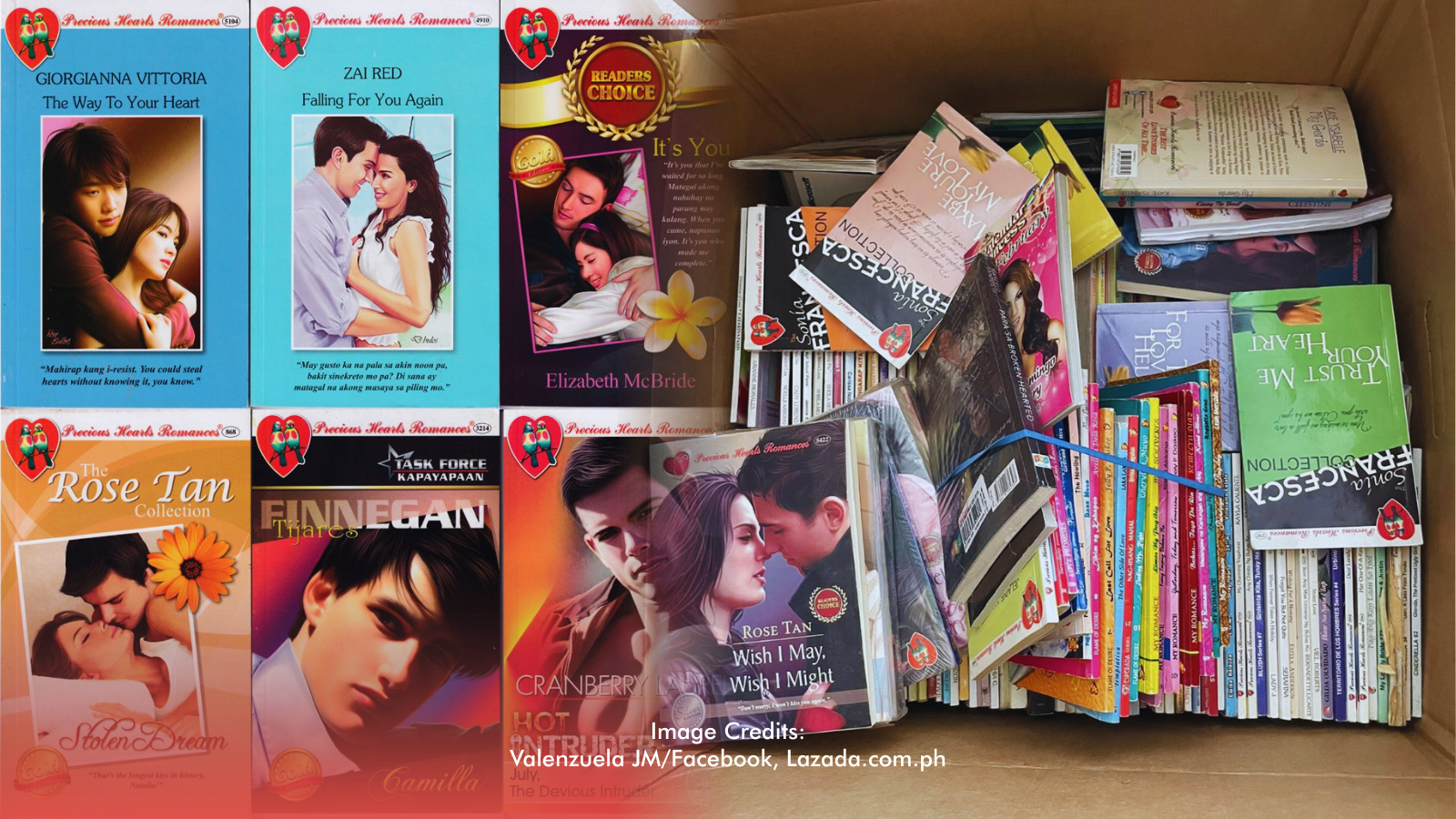
This Valentine’s season, as love stories trend on Wattpad and BookTok, it’s worth remembering that long before digital romance ruled our screens, there was Precious Hearts Romance.
Thin. Glossy. Usually pink. Sold beside school supplies in National Bookstore. For many Filipinos in the 1990s and 2000s, buying a copy of Precious Hearts Romance felt like a small but meaningful ritual. It was affordable, easy to carry, and easy to get lost in.
Before dating apps. Before algorithm-driven love stories. Before viral tropes.
There was a P50 paperback that quietly shaped how a generation viewed love.
The Love Story Template We Grew Up With
At its peak, Precious Hearts Romance dominated bookstore shelves. The formula was familiar but addictive:
- The rich, cold, emotionally unavailable CEO
- The simple, kind-hearted heroine
- A misunderstanding
- A jealous rival
- And finally, a grand declaration of love
It was dramatic. Intense. Sweeping.
For many young readers, these pocketbooks became their first exposure to romance. They painted a picture of love as passionate, destiny-driven, and always worth fighting for.
But looking back, it’s fair to ask: Did Precious Hearts Romance set unrealistic expectations?
Some stories romanticized jealousy. Others framed persistence as proof of love. The male leads were often dominant, protective, sometimes even emotionally distant — until love “changed” them.
It was a fantasy. But fantasy shapes imagination.
And imagination shapes standards.
When Pocketbooks Ruled the Aisles
Launched in the early 1990s, Precious Hearts Romance became a major presence in Philippine publishing. These books were not rare finds. They were widely available and widely read.
Students slipped them inside textbooks. Office workers read them during breaks. OFWs brought copies abroad to ease homesickness. Some sari-sari stores even carried them.
The stories eventually reached television through Precious Hearts Romances Presents. Afternoon dramas adapted popular titles and introduced the pocketbook world to an even wider audience. For years, Filipino romance culture had a strong physical presence. It lived on paper and traveled from hand to hand.
Digital Take Over
Then the internet changed everything. Wattpad allowed writers to publish instantly. Stories became interactive. Readers could comment in real time. Romance shifted from print to screen.
BookTok made love stories viral. Algorithms replaced bookstore browsing. Slowly, shelves dedicated to Precious Hearts Romance shrank. Fewer new titles appeared. Pocketbooks were no longer the default gateway to kilig.
The Filipino romance reader didn’t disappear; they just went online.
The Quiet Survival of a Pink Legacy
Yet, Precious Hearts Romance never fully vanished. Collectors still trade old copies. Warehouse sales resurface hidden gems. Some authors transitioned into TV writing, indie publishing, or digital platforms.
And every Valentine’s season, nostalgia resurfaces.
Because beyond the tropes and clichés, those pocketbooks did something important: they made reading accessible. They gave everyday Filipinos stories centered on love, desire, and emotional intensity; written locally, for local readers.
They were affordable escapism during challenging economic times. They made romance feel within reach.
So This Valentine’s, What Kind of Love Are We Chasing?
Today’s love stories look different. They are more diverse. More self-aware. Sometimes more realistic.
But the DNA of Filipino romance culture still carries traces of Precious Hearts Romance.
The dramatic confession. The destiny trope. The belief that love can transform someone.
Maybe we’ve grown. Maybe we’ve become more critical. Maybe we now spot red flags faster.
Still, somewhere between a trending Wattpad story and a viral BookTok recommendation, there’s a generation that learned about love from a pink pocketbook.
And that influence? It never really left.