
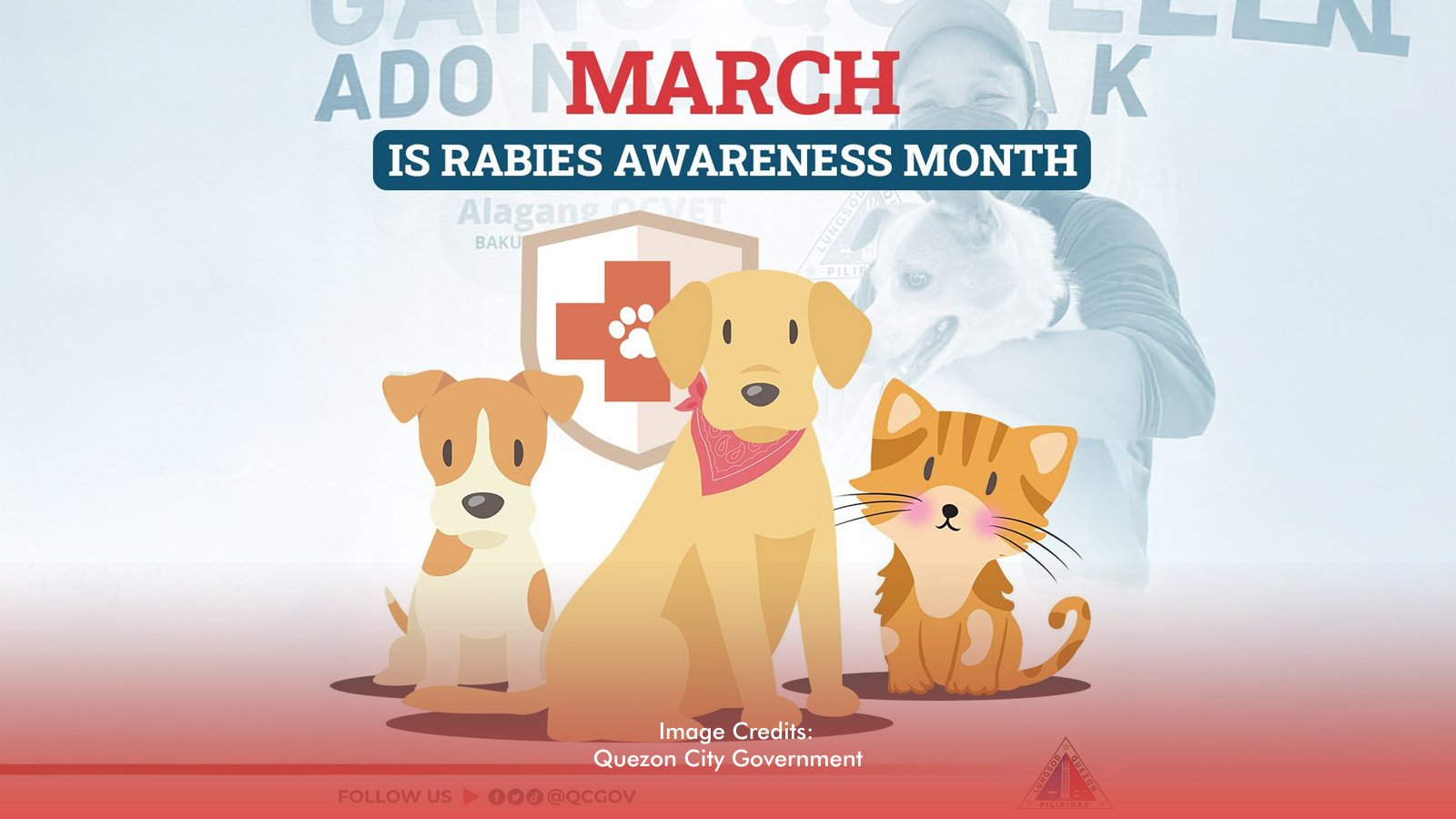
As the Philippines observes Rabies Awareness Month this March, experts are urging the public to remain vigilant against the deadly but preventable disease. Public health data shows that rabies cases remain unevenly distributed across the country, with Central Luzon (Region III) consistently recording the highest number of cases in 2024 and 2025. This is followed by Zamboanga Peninsula and CALABARZON, which also posted significant numbers of infections, according to the Department of Health data.
According to University of the Philippines Los Baños College of Veterinary Medicine Associate Professor DJ Darwin Bandoy, rabies continues to pose a major public health concern in the country. An estimated 300 to 400 Filipinos die from rabies each year, while around four million animal bite cases are recorded annually.
Bandoy noted that individuals exposed to Category 3 bites, considered high-risk due to deep wounds or exposure to saliva through scratches, require immediate vaccination and medical attention.
He also clarified that rabies does not only come from stray animals. Even pets with owners can transmit the disease if they are not vaccinated. Because of this, people bitten by animals with unknown vaccination records should immediately consult a doctor.
Early Treatment and Pet Vaccination Are Crucial
Rabies is 100 percent fatal once symptoms appear, but it can be prevented through timely treatment. Bandoy advised bite victims to immediately wash wounds thoroughly with soap and water and apply disinfectant. However, he stressed that first aid alone is not enough.
Victims must still go to an Animal Bite Center for proper assessment and the recommended vaccine regimen.
Pet owners should also watch out for unusual changes in their animals’ behavior, including unprovoked aggression, excessive drooling, and sudden restlessness, which are possible signs of rabies infection.
Bandoy emphasized that annual vaccination of pets, particularly dogs, remains one of the most effective ways to prevent rabies transmission to humans.
Stronger Community Action Needed
Bandoy explained that vaccinating at least 70 percent of dogs in a community significantly reduces the spread of rabies among animals and eventually to humans. However, he noted gaps in implementation, as not all municipalities have mandatory veterinary services needed to sustain mass vaccination programs.
Meanwhile, Senator Mark Villar highlighted the importance of collaborative efforts to address the issue. The senator recently met with Voltaire Basinang, vice president and president-elect of the Philippine Veterinary Medical Association, to discuss measures such as nationwide spay and neuter projects aimed at helping curb the spread of rabies.
Villar said the initiative also promotes responsible pet ownership and animal welfare, with the goal of ensuring that both people and animals remain safe from the threat of rabies.