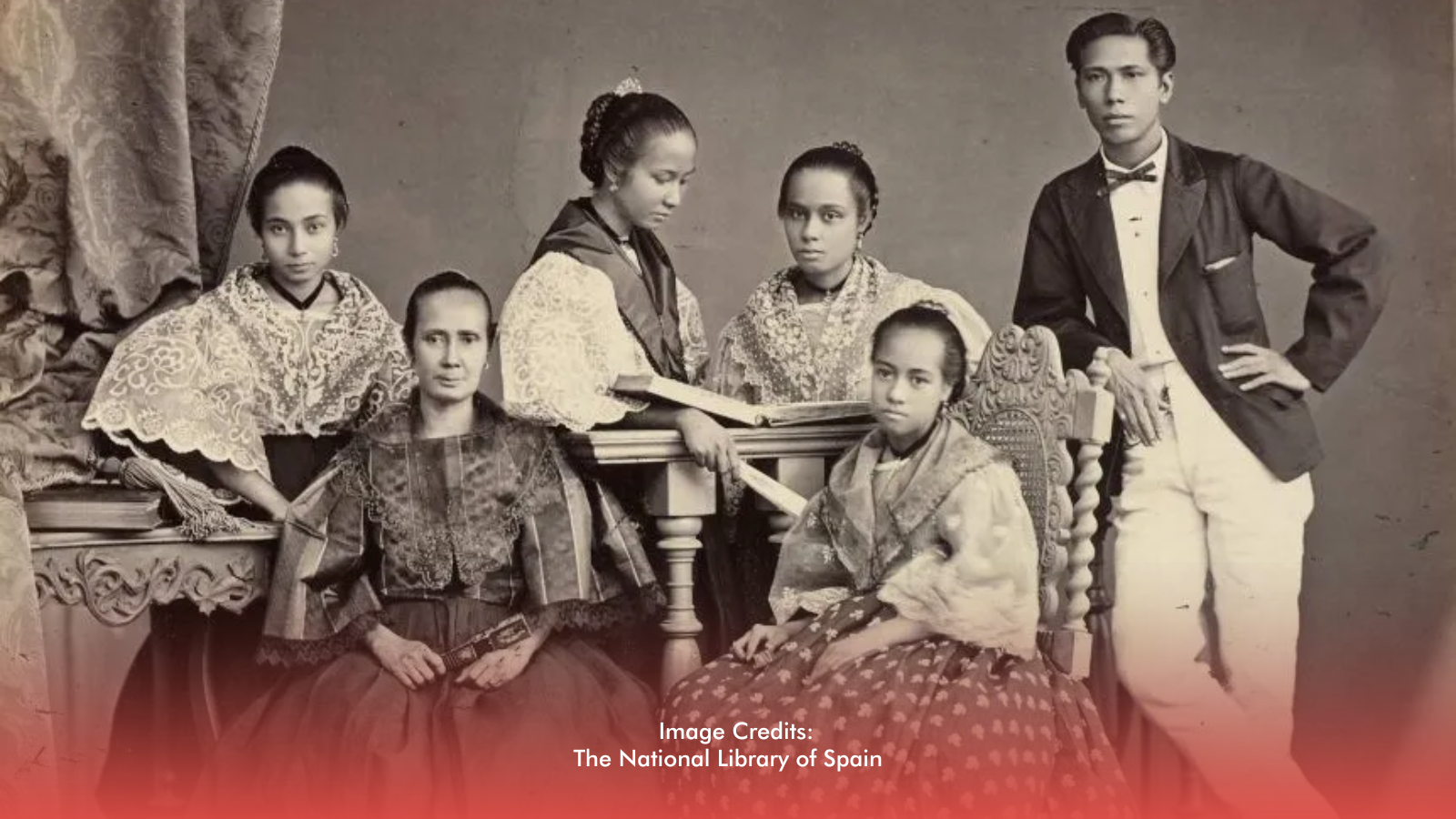
Before foreign rule left its mark, life in the Philippine archipelago followed rhythms already its own. Communities were built around shared values, lived traditions, and deep connections to nature - forming identities that did not need colonization to exist.
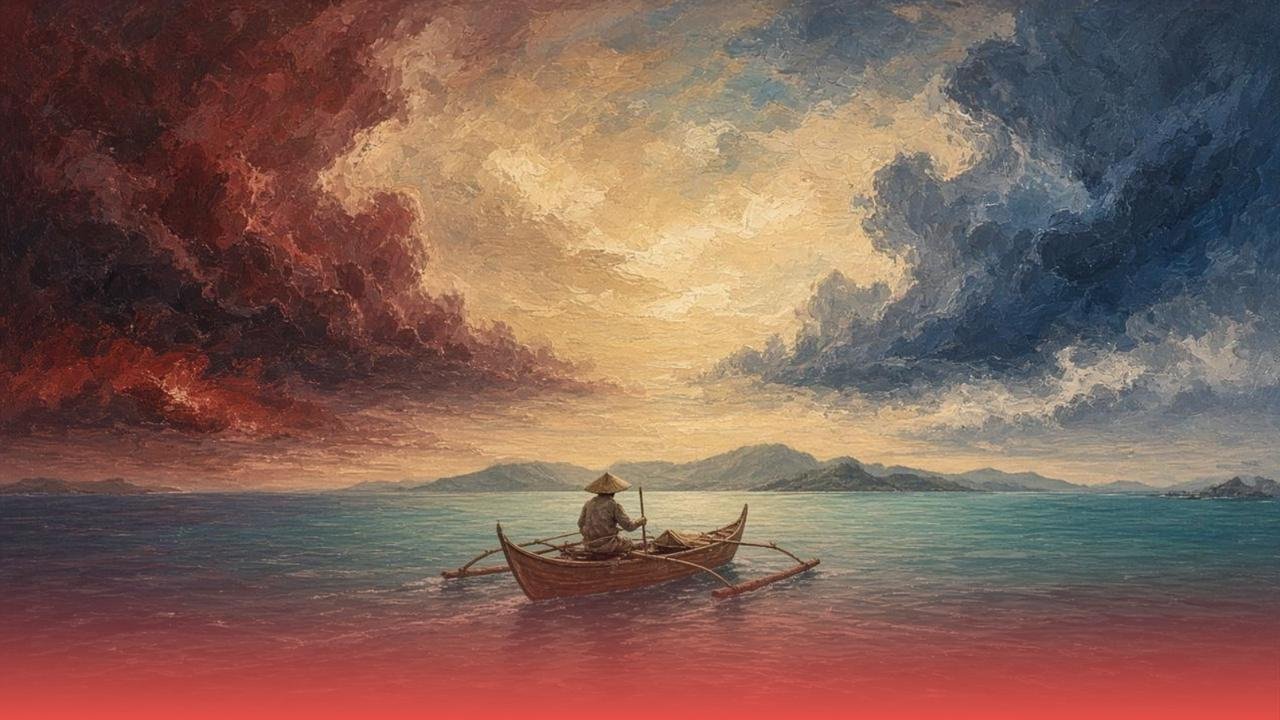
Far from isolated, these societies traded, negotiated, and exchanged ideas across the seas, proving that the archipelago was already part of a larger, interconnected world.
A Nation Before A Name
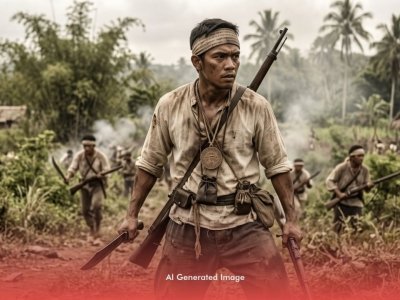
Pre-colonial Filipinos lived in independent communities called barangays, often led by a datu. Leadership was not absolute. Authority depended on respect, wisdom, bravery, and the ability to protect and provide for the community. Decisions were often discussed collectively, showing early forms of participatory governance that valued consensus.
Trade played a central role in shaping early Filipino life. Coastal communities engaged in commerce with neighboring Asian civilizations, exchanging gold, pearls, spices, and textiles. These interactions brought new ideas, technologies, and cultural influences, proving that early Filipinos were not isolated but globally aware in their own way.
The Foundations of Filipino Identity
Social structure was fluid compared to later colonial systems. While classes existed, movement between them was possible through marriage, skill, or acts of courage. Women held respected roles as leaders, healers, and spiritual figures. Babaylans, often women or gender-diverse individuals, served as healers and religious leaders, highlighting an inclusive worldview that recognized balance and harmony.
Belief systems were rooted in nature and spirituality. Early Filipinos practiced animism, honoring ancestral spirits and deities connected to land, sea, and sky. Rituals marked life events, harvests, and journeys, reinforcing the idea that humans were part of a larger natural order rather than rulers over it.
Art, language, and storytelling flourished. Oral traditions preserved history, values, and identity. Writing systems such as baybayin reflected early literacy and cultural expression. Music, dance, tattoos, and weaving were not merely decorative but carried meaning, status, and memory.
Identity That Predates Colonization
Understanding pre-colonial Philippines reminds us that Filipino identity did not begin with colonization. It existed long before, shaped by resilience, adaptability, and community. Remembering this past is not about rejecting history but about reclaiming a fuller sense of who Filipinos have always been.