
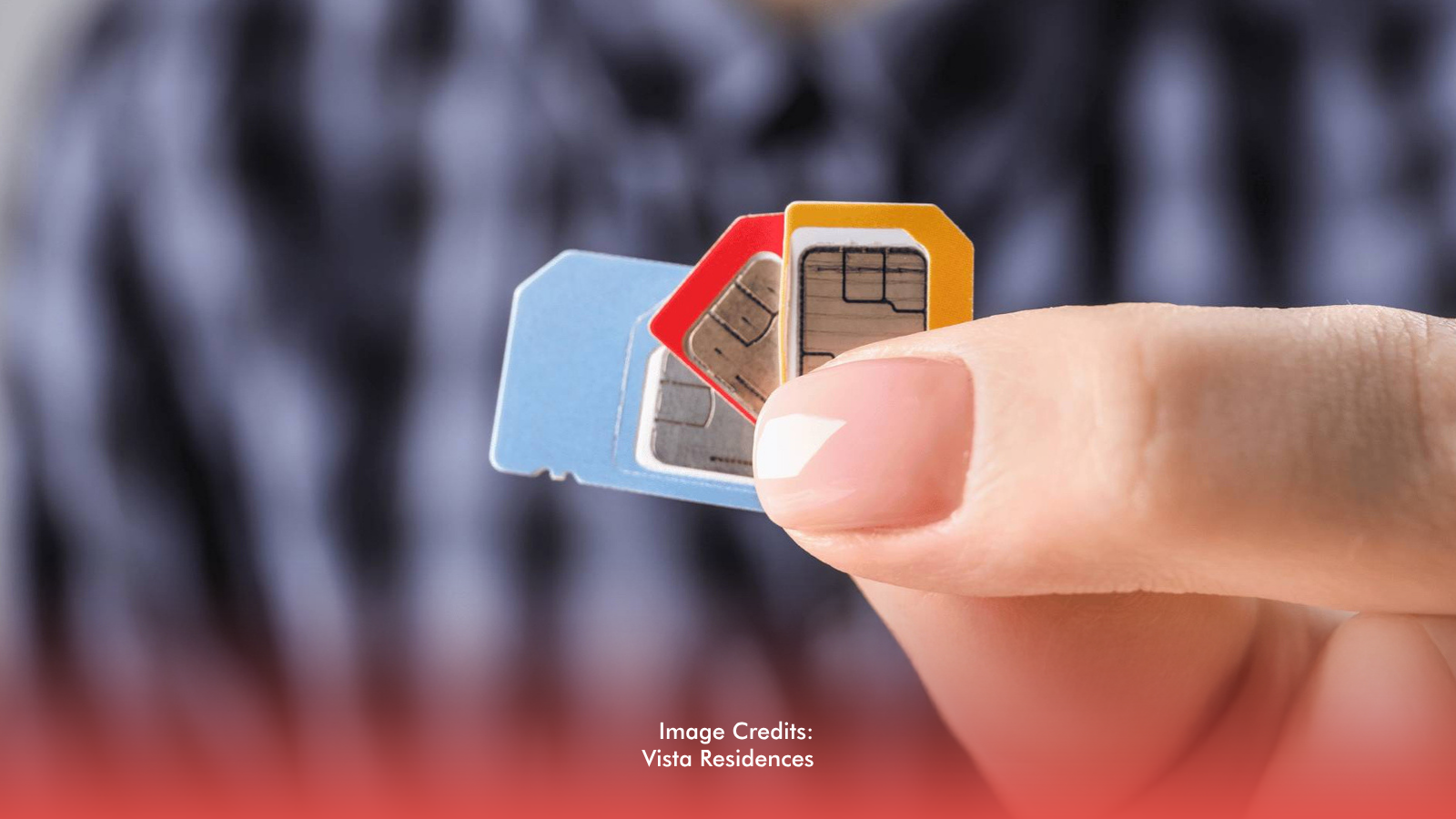
The SIM Card Registration Act was supposed to make it harder for criminals to hide behind anonymous mobile numbers. Four years after the law was signed, however, the Philippine National Police-Anti-Cybercrime Group (PNP-ACG) says SIM cards remain at the center of almost all cybercrime cases.
PNP-ACG director Maj. Gen. Wilson Casil Asueta made the assessment after authorities arrested a 26-year-old man in Obando, Bulacan, on Aug. 24 for allegedly selling around 400 pre-registered SIM cards.
For the police, the case highlights a problem with the current system: a SIM may be registered, but that does not necessarily mean the person actually using it can be reliably identified.
Was SIM registration enough?
Republic Act No. 11934, or the SIM Card Registration Act, was signed in 2022 to establish accountability in the use of SIM cards and help authorities track people who use mobile phones to commit crimes.
But the continued use of SIM cards in scams, online gambling, and identity exploitation has raised questions about how effective the system has been in practice.
Asueta said the law needs new provisions, including stronger identity authentication and activation only after successful registration and verification.
The PNP-ACG is also proposing the use of the national ID as the primary identification document for SIM registration, with biometric authentication, as well as a maximum of five SIM cards per person.
The issue is not only about catching criminals. It is also about protecting the personal information being collected from millions of Filipinos.
The National Privacy Commission has previously raised concerns over the massive collection of personal data involved in SIM registration and the need for safeguards against misuse and unauthorized disclosure.
That concern became especially relevant after Filipinos received waves of scam messages using information and phone numbers they had previously provided to different organizations. While there have been reports linking numbers used in smishing to contact-tracing and other databases, authorities have cautioned against concluding that these forms were definitively the source without evidence.
The scam does not end with the SIM
A SIM card is often only the first step.
A scammer may use a mobile number to impersonate a bank, government agency or another person, convince a victim to surrender sensitive information, and eventually move stolen money through a bank account or e-wallet.
This is where the Anti-Financial Account Scamming Act (AFASA), or Republic Act No. 12010, becomes part of the bigger picture.
The law penalizes schemes involving the unauthorized use of financial accounts, social engineering and money muling. It also requires financial institutions to maintain safeguards such as multi-factor authentication, fraud management systems, and account-owner verification.
In other words, fighting cybercrime cannot stop at asking: “Kanino nakarehistro ang SIM?”
It also has to ask: Who is actually using it, where did the user's personal information come from, and where does the money go after the scam?
If the government wants to tighten SIM registration, the goal should be more than collecting additional IDs and personal information.
The bigger test is whether stronger authentication, better privacy safeguards and laws such as AFASA can work together to make scammers easier to identify, while ensuring that ordinary Filipinos' personal data does not become another vulnerability.