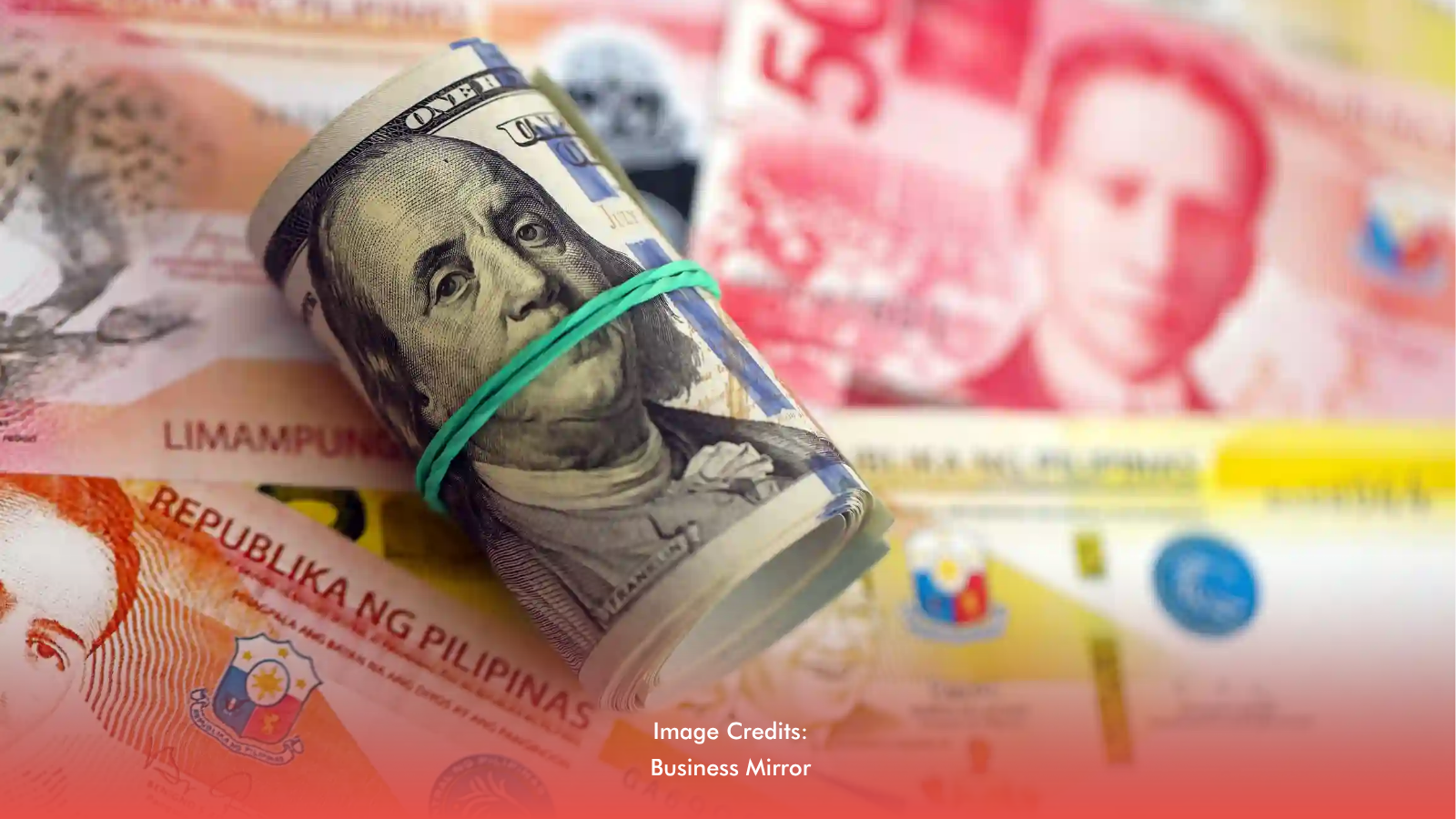
The Philippine peso broke through the P63-per-dollar level on Thursday, Oct. 15, setting a fresh record low.
Data from the Bankers Association of the Philippines showed the peso touching P63.15 early in the session, beating the previous record intraday low of P62.925 set on Sept. 15. It opened at P62.83 after closing Wednesday at P62.87, just three centavos short of the record-low close of P62.90 on Oct. 8.
Other reports say the peso closed Thursday at a record P63.06, down 19 centavos from the day before. These closing figures were seen in report excerpts only, so check them against the BAP’s official data.
Market reports attribute the slide to several factors: conflict in the Middle East and oil-price worries, stronger US inflation and expectations of higher US interest rates, and domestic inflation and investor-confidence concerns. Those are analysts’ explanations, not official findings.
A weaker peso makes imports costlier in pesos. For a country that imports its oil, that can feed into pump prices, transport costs and the price of imported goods. Families that receive dollar remittances see the opposite effect, as each dollar converts to more pesos. Economists generally warn, though, that rapid currency weakness can also add to inflation and raise the peso cost of dollar debts.
This week’s low also follows a central bank projection, reported earlier in the week, of a large current account deficit through 2027, with expensive fuel as the main driver. The central bank has not been reported to have set a specific exchange-rate level to defend.
What happens next depends largely on oil prices, US interest rates and how inflation develops at home.