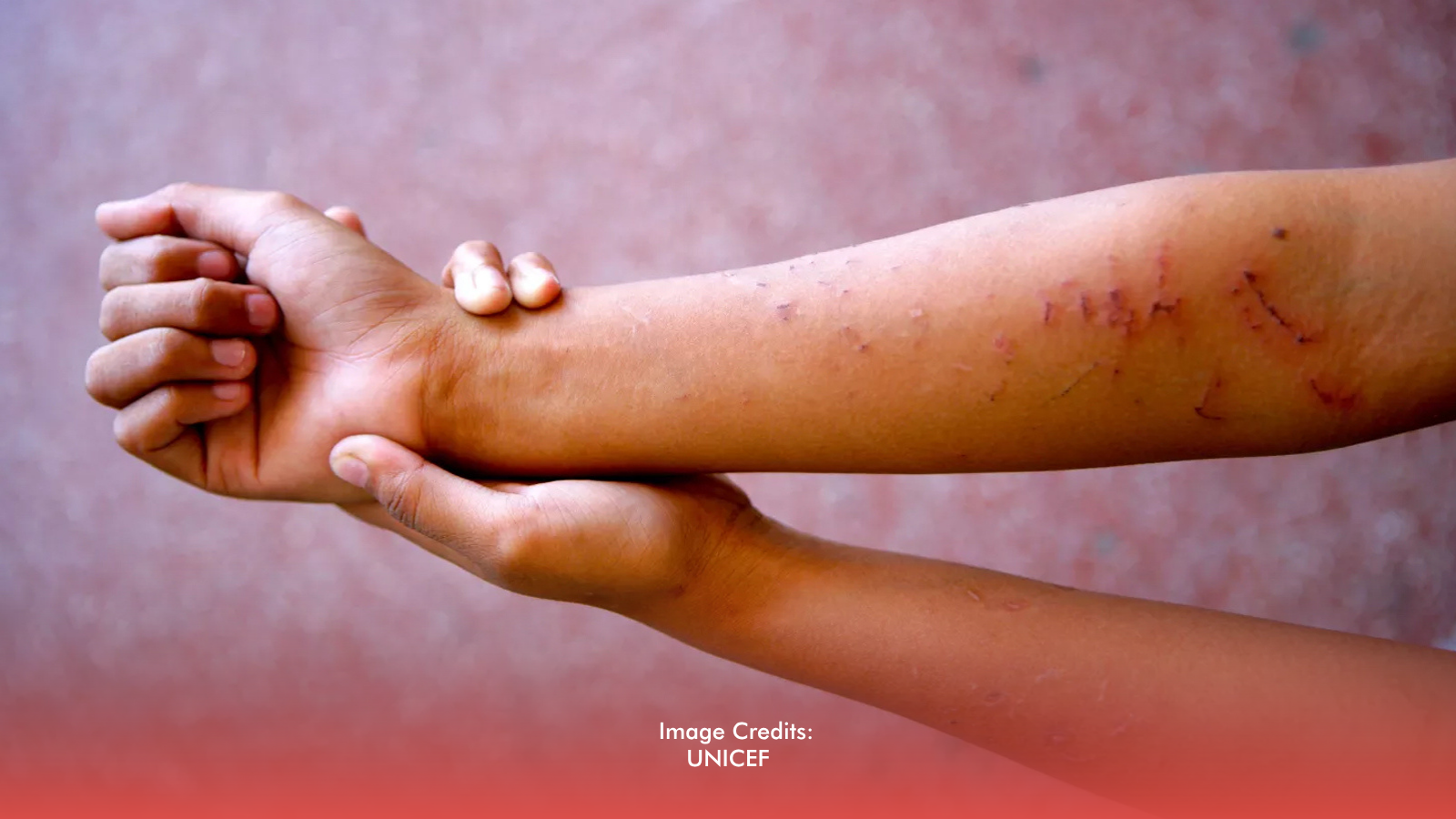
Nearly two in five Filipino children aged 10 have experienced physical or emotional violence from a parent, a study by the Philippine Institute for Development Studies (PIDS) found.
The study, “Home Should Be Safe: How Parental Violence Affects Children’s Education in the Philippines,” said exposure to violence at home can affect children’s education, with the impact more pronounced among girls.
Violence linked to lower school enrollment
Researchers Aaron Carlos Manuel, Lyle Daryll Casas and Valerie Gilbert Ulep found that children exposed to parental violence at age 10 had lower odds of being enrolled in school by age 14.
The association was observed among both boys and girls but was stronger among girls when the findings were analyzed by gender.
Parental violence was also linked to poorer academic performance, although the relationship was not statistically significant.
The researchers warned that violence against children remains a major concern, particularly in low- and middle-income countries where legal protections and enforcement mechanisms may be weaker.
Millions of Filipino children affected
The study cited data showing that about eight in 10 Filipino children have experienced some form of violence, while more recent figures indicate that six in 10 are subjected to violent discipline at home.
Violence also occurs in schools. Nearly three in 10 Filipino learners reported experiencing bullying in the OECD’s Programme for International Student Assessment 2022.
The authors said failing to address violence against children carries significant social and economic costs through its effects on health, education and productivity.
They recommended expanding multisectoral early intervention programs nationwide, combining parenting education, school-based violence prevention and community advocacy, with approaches tailored to the needs of boys and girls.
DepEd calls for stronger family involvement
The findings come as Education Secretary Sonny Angara urged families to take a more active role in preventing violence and protecting learners.
“We cannot solve violence in schools if we only act within the classroom. Home is our first defense,” Angara said.
He encouraged parents to regularly talk with their children, listen to their concerns and coordinate with teachers and schools to identify warning signs early.
DepEd has launched the Kaagapay Program under DepEd Memorandum 002, s. 2026, alongside the Parent Effectiveness Service Program under Republic Act 11908.
The program equips parents to identify red flags, address behavioral concerns and coordinate with school Child Protection Committees and guidance personnel.
DepEd is also working with the Department of Social Welfare and Development to align the programs and address issues linked to violence, including mental health and online safety.