Imagine walking along a grassy roadside and accidentally disturbing a mound of earth. The next day, your foot is swollen and itchy. In some Filipino households, the explanation comes quickly: you may have offended a nuno sa punso by failing to say tabi-tabi po.
Anthropologist Michael Tan has discussed this familiar scenario alongside a practical explanation: the swelling could come from ant bites or an allergic reaction.
The legend reflects a longstanding Filipino belief that unseen beings inhabit certain places and must be treated with respect. But who is the nuno, and why do many Filipinos still ask permission before passing a mound?
What Is a Nuno sa Punso?
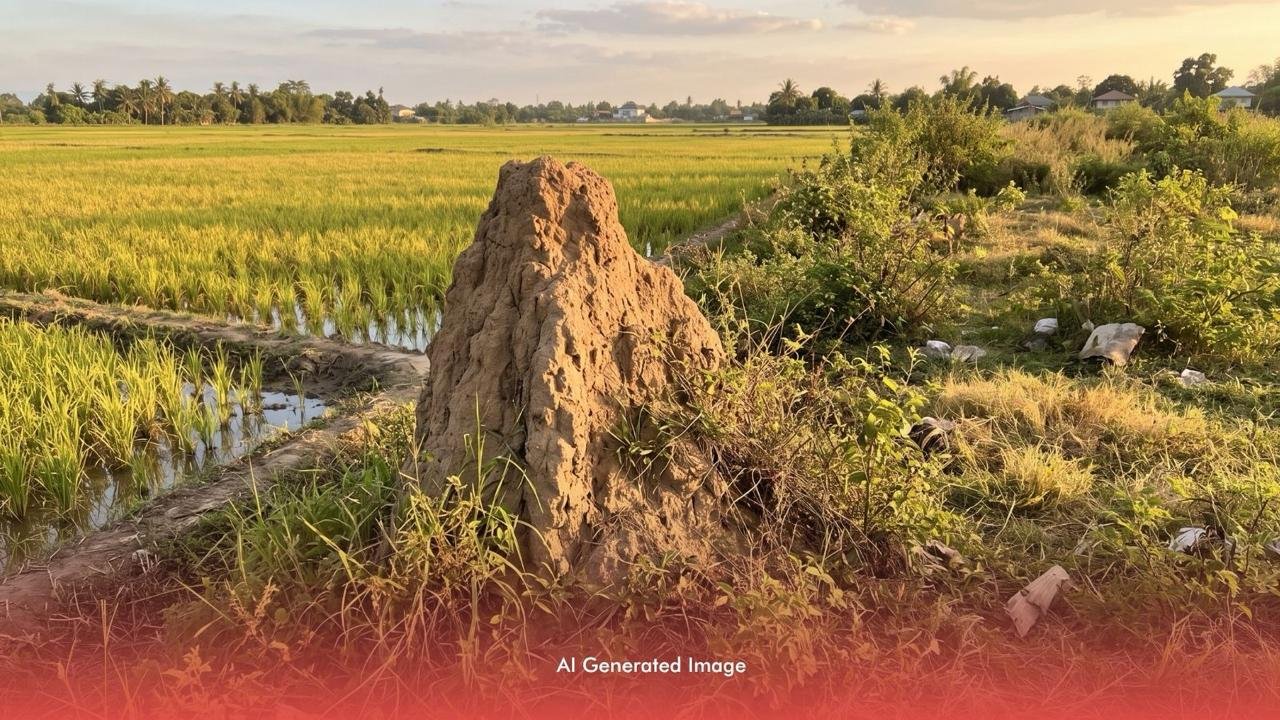
The name nuno sa punso roughly translates to “the elder of the mound.” A punso is a mound of earth, often associated with anthills or termite mounds, while nuno means grandfather or elder.
In folklore, the nuno is a tiny, bad-tempered old man who lives inside mounds or beneath large rocks and old trees. He rarely appears, but stories warn that disturbing his home can bring unexplained illnesses.
Kicking a mound may supposedly cause a swollen foot, while urinating on it is believed to cause swelling or pain in the genitals. Other stories mention fever, rashes, boils and stomachaches.
What Is the Difference Between a Nuno and a Duwende?
The nuno and the duwende overlap in Filipino folklore, although some traditions distinguish between them.
Duwende comes from the Spanish word duende, meaning a spirit. Folklorist Maximo Ramos documented regional names for similar beings, including kama-kama in Hiligaynon, matanda sa punso and taong-lupa in Tagalog, and kalangetamong the Ifugao. Ilocano folklore also features the ansisit and tirtiris.
Generally, the nuno is portrayed as an irritable elder guarding a particular mound, while duwende may be helpful, mischievous or harmful. Some traditions classify them as good or bad, but these distinctions vary across communities.
Why Do Filipinos Say “Tabi-Tabi Po”?
The phrase tabi-tabi po is a polite way of asking someone to move aside or excusing yourself as you pass. In folklore, it serves as a request for permission to enter a place where unseen beings might be present.
People traditionally say it when passing anthills, walking near large trees or entering unfamiliar areas.
The custom dates back centuries. Around 1731, Augustinian friar Tomás Ortiz recorded that Tagalogs asked the nonos for permission to pass through fields, rivers, creeks and areas near large trees. He also described people apologizing to a tree's spirit before cutting it down.
A small 2025 study involving college students from Cavite, Samar, Bohol, Iloilo, Capiz and Metro Manila found that most participants still used tabi-tabi po and had learned the expression from parents or grandparents.
What Is Usog?
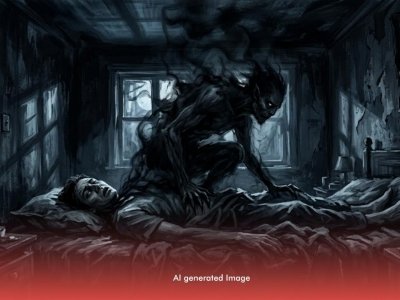
While the nuno is associated with disturbing a place, usog is a folk illness traditionally attributed to someone's greeting or attention.
A familiar example involves a visitor complimenting a baby. If the child later becomes restless or cries for hours, some families may believe the baby has been affected by usog. Another term is nabati, meaning affected by a greeting. In parts of the Visayas, a related belief is called buyag.
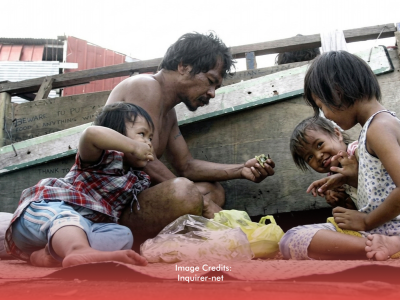
Traditional remedies include asking the visitor to make the sign of the cross on the baby's stomach using a little saliva. Some people also say puwera usog to ward off the supposed effect.
Medical explanations for crying and stomach discomfort include gas, colic, infections and anxiety. Persistent symptoms, particularly in babies, should be assessed by a healthcare professional.
What Does an Albularyo Do?
An albularyo is a traditional healer who treats illnesses believed to have supernatural or spiritual causes. Depending on local practices, the healer may use medicinal plants, prayers called orasyon and rituals.
One traditional diagnostic method is pagtatawas. The healer drops melted alum, known as tawas, or sometimes candle wax into water, then interprets the resulting shapes as signs of a possible cause, such as a nuno, duwende or curse.
In stories involving the nuno, remedies may include apologizing and leaving food at the mound. These practices are part of Filipino cultural traditions but should not replace medical care for unexplained or worsening symptoms.
Where Does the Belief Come From?
Historical accounts suggest that respect for unseen inhabitants of the land has been part of Filipino folk belief for centuries.
Ramos argued that supernatural stories can serve as an internalized guide for behavior, teaching children not to damage their surroundings, disturb mounds, or enter unfamiliar places carelessly.
Some traditions also involve offerings to spirits associated with agriculture. Accounts of Ifugao customs, for example, describe leaving boiled rice, unsalted chicken, and cigars for the kalanget, beings associated with the fields.
These beliefs reflect not only fear of the supernatural but also lessons about respect, caution, and the natural environment.
The Nuno in Pop Culture
The nuno appears in the 2021 Netflix series Trese, based on the komiks by Budjette Tan and Kajo Baldisimo. In the series, a nuno fed up with litter around his anthill moves into a Manila manhole and wears the cover as a hat.
Traditional tales also describe duwende who take children to underground palaces, give gifts that later disappear, or play tricks on unsuspecting people.
What the Old Folks Say to Do
- Say “tabi-tabi po.” Acknowledge the unseen beings believed to inhabit mounds and large trees.
- Leave the punso alone. Avoid kicking, digging into, or damaging anthills and termite mounds.
- Say “puwera usog.” Some families use the phrase when greeting or complimenting a baby.
- Apologize if you believe you offended. Folklore may recommend an apology or food offering, but seek medical care for persistent fever, swelling, severe pain, or a baby who will not stop crying.
The nuno sa punso remains one of the most recognizable figures in Filipino folklore. Passed down through family stories and popular culture, the legend carries a familiar lesson about respecting one's surroundings.
For many Filipinos, that lesson still begins with two simple words: tabi-tabi po.