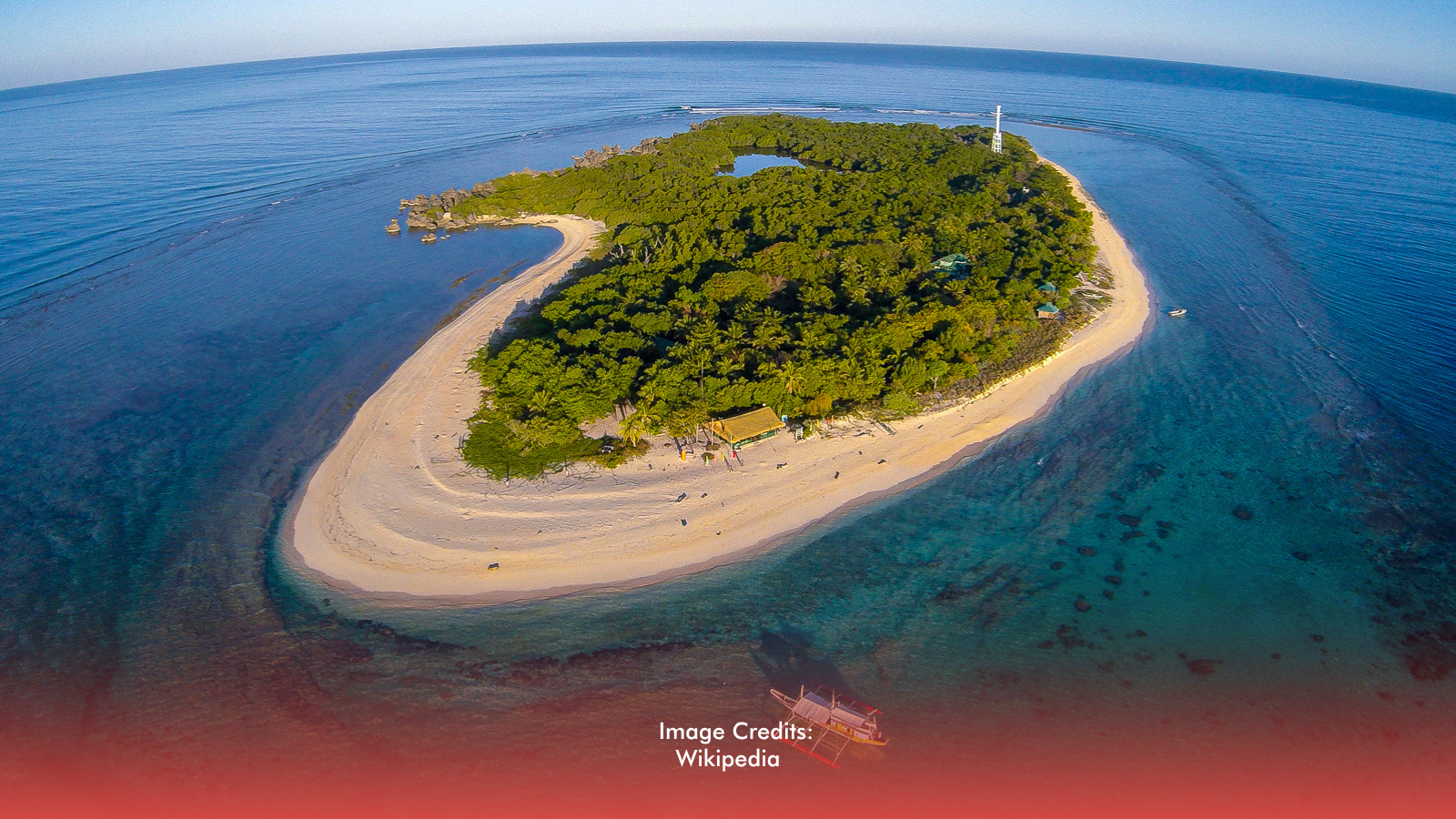
The municipality of Sablayan in Occidental Mindoro has gained international recognition after being designated as a World Biosphere Reserve by UNESCO during the 38th Session of the International Coordinating Council of the Man and the Biosphere Programme in Hernandarias, Paraguay.
The announcement was made on June 5, coinciding with the observance of World Environment Day. The newly recognized Matibay na Bayan ng Sablayan Biosphere Reserve is now part of a global network of protected areas that balance biodiversity conservation with sustainable development.
The designation marks a significant achievement not only for Sablayan but also for the Philippines’ environmental conservation efforts.
A Haven for Biodiversity
UNESCO highlighted Sablayan as one of the country’s important biodiversity strongholds, protecting a wide range of ecosystems from mountain forests to coastal and marine habitats.
The municipality stretches across Occidental Mindoro, encompassing forests that rise more than 2,200 meters above sea level down to coral reefs and open waters. Among its most notable natural treasures is the Apo Reef Natural Park, home to the largest contiguous coral reef system in the Philippines.
Sablayan is also known as a refuge for the critically endangered tamaraw, one of the country's most iconic and threatened wildlife species.
Conservation Efforts Paying Off
Alongside its ecological importance, Sablayan has emerged as a growing ecotourism destination. UNESCO noted that tourist arrivals increased dramatically from 34,000 in 2022 to 153,000 in 2024, reflecting growing interest in the municipality’s natural attractions.
The Department of Tourism welcomed the recognition, saying it reflects the resilience of local communities and their commitment to sustainable development and environmental stewardship.
With the new designation, Sablayan becomes the fifth biosphere reserve in the Philippines, joining Puerto Galera, Palawan, Albay, and Apayao. It is now part of UNESCO’s global network of 797 biosphere reserves across 145 countries, underscoring its role in protecting biodiversity while supporting local livelihoods.