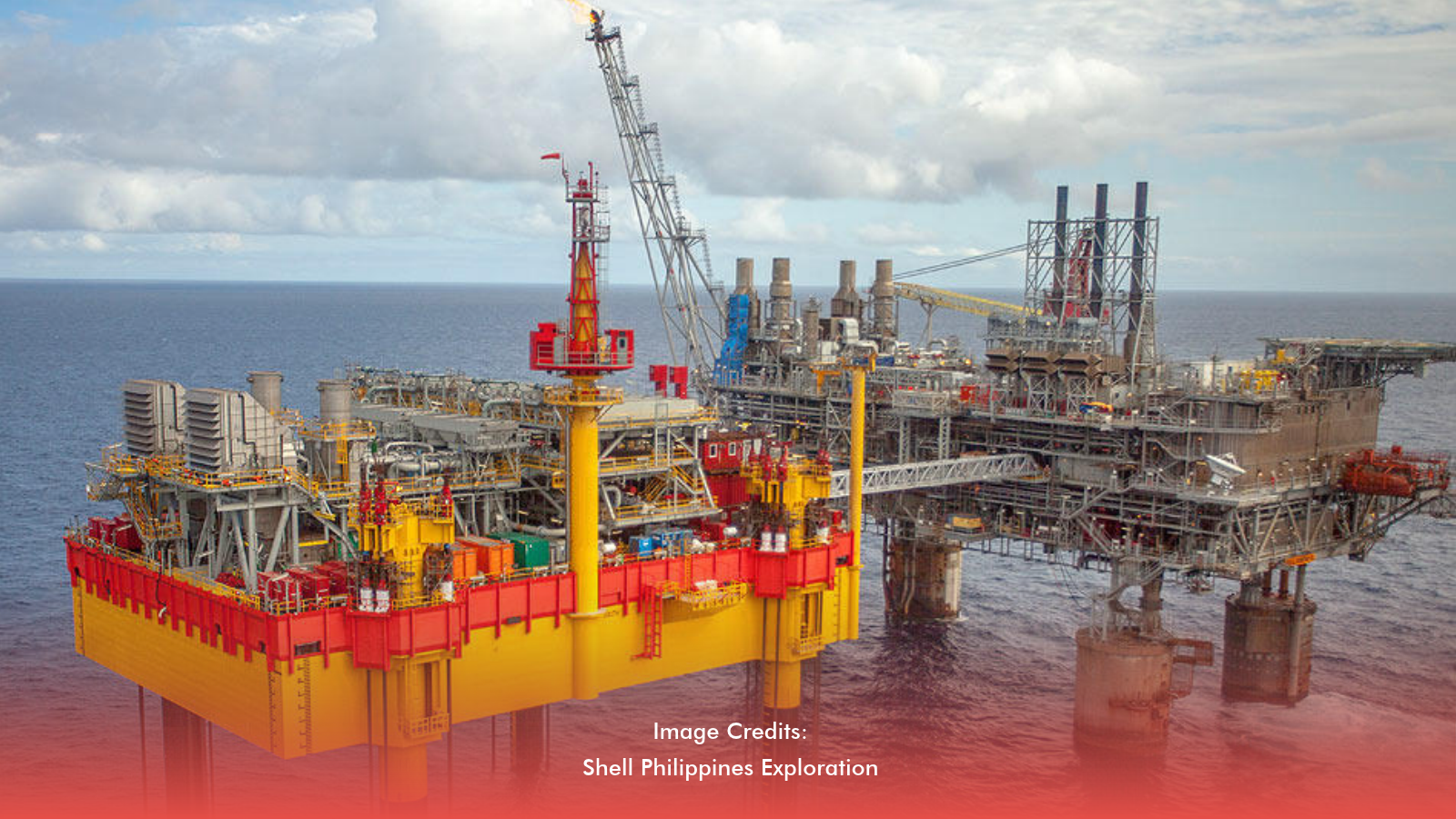
For years, talks about Philippine energy security circled back to one name: the Malampaya gas field, the offshore reservoir off Palawan that has powered a huge share of Luzon’s electricity since 2001. But Malampaya was never going to last forever, and the country has spent the past decade bracing for what happens when it runs dry.
That timeline just got friendlier. In 2026, two new offshore discoveries, Malampaya East-1 and Camago-3, confirmed fresh reserves of natural gas in the same general basin. Neither find is a totally new game-changer on its own, but together they give the Philippines something it hasn’t had in years: a credible runway to keep gas-fired power plants running without leaning harder on imported fuel.
Why the Timing Matters
Energy planners have been tracking Malampaya’s declining output, with earlier projections warning that the field could stop producing commercially within a few years. That’s a real problem for a country where gas still powers a significant share of Luzon’s power plants, the kind that keep lights on in Metro Manila and the surrounding grid.
The East-1 and Camago-3 discoveries don’t erase that risk, but they push the clock back. They suggest the Malampaya basin still has more to give than previously assumed, which matters because building new energy infrastructure, whether it’s more gas wells or renewable capacity, takes years. A time the country might not have had without this buffer.
The Investment Behind the Find
These discoveries didn’t happen by accident. They’re the result of a renewed, $893-million exploration and development campaign tied to Malampaya’s so-called Phase 4, a push by the field’s operators to drill deeper and wider into the basin rather than let the asset wind down quietly.
That kind of capital commitment signals confidence that there’s more gas worth chasing in Philippine waters, and it’s a meaningfully different posture than the “managed decline” conversations that dominated discussions about Malampaya just a few years ago.
What Happens Next
Discovery is one thing; getting that gas to power plants is another. The next steps start with appraisal drilling to confirm how much gas is recoverable, followed by the infrastructure work needed to connect new wells to existing pipelines and platforms. None of that happens overnight.
Still, for a country that imports most of the fuel it uses for transportation and relies on a mix of coal, gas, and renewables to keep the grid stable, any extension of a major domestic gas source is good news. It buys time for the harder, longer-term work of diversifying the energy mix, without the added pressure of a supply cliff arriving sooner than planned.