Lower fuel prices may bring some relief to Filipino motorists, but will commuters and households also feel the savings in their daily expenses?
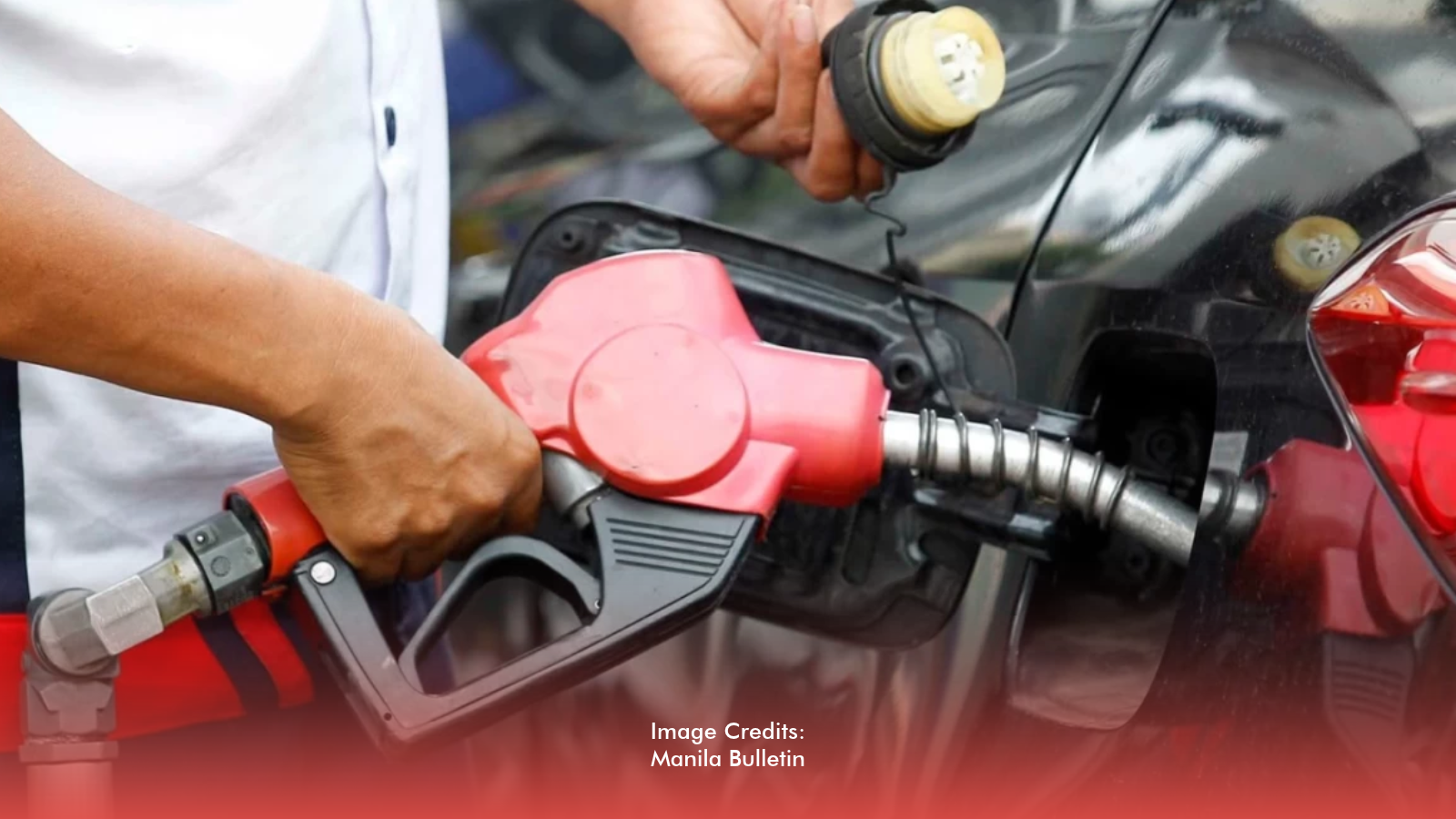
The Department of Energy (DOE) announced on November 9 a significant weekly fuel price rollback for November 10 to 16, with gasoline prices going down by P16.80 per liter, diesel by P4.10, and kerosene by P3.70.
Energy Secretary Sharon Garin described the reductions as welcome relief for motorists, public transport operators, and households. The rollback followed easing concerns over the U.S.-Iran conflict and expectations of more stable oil shipments through the Strait of Hormuz.
While the gasoline price cut offers substantial savings for private vehicle owners, the diesel reduction is particularly relevant to public transportation and goods delivery, since many jeepneys, buses, and cargo trucks rely on diesel.
However, lower fuel prices do not automatically translate into cheaper fares or grocery bills.
Will jeepney fares go down?
For commuters, one of the biggest questions is whether the fuel rollback will eventually lead to lower public transportation fares.
As of September 28, following approval from the Department of Transportation, the minimum fare for traditional jeepneys was set at P14, while modern jeepneys had a minimum fare of P17.
Land Transportation Franchising and Regulatory Board (LTFRB) Acting Chairman Greg Pua Jr. previously said a fare reduction could be considered if fuel prices decline or stabilize and a formal petition is filed.
He also cited the board's decision to reduce fares in 2018 following a significant drop in fuel prices.
However, the November 9 DOE announcement did not include any new fare adjustment. Until the LTFRB issues another order, commuters should continue following the existing minimum fare rates.
For now, the diesel rollback may provide some operating cost relief to public transport operators, but commuters should not expect an immediate reduction in pamasahe.
Will grocery prices become cheaper?
The impact on grocery prices is less immediate.
Fuel is an important part of transporting agricultural products, food supplies, and other essential goods from farms, ports, and warehouses to markets and supermarkets.
Lower diesel prices could eventually help reduce delivery and distribution expenses. However, retail prices are also influenced by harvest volumes, import costs, supply availability, and other market factors.
This means a weekly fuel rollback does not automatically result in cheaper rice, vegetables, meat, or other household necessities.
Any savings from lower transportation costs may take time to reach consumers, depending on supply chains and pricing decisions.
What should households watch?
For now, motorists can check fuel prices at different stations to find the best available rates, while commuters should monitor official LTFRB announcements for any changes in fares.
Households can also keep track of grocery prices rather than immediately expecting lower costs following a fuel rollback.
Fuel prices are adjusted weekly, and individual stations may implement different prices within the permitted adjustments.
The November 10 to 16 rollback offers some breathing room, particularly for motorists and businesses that depend on fuel. But for ordinary Filipino families, the bigger test is whether these savings will eventually translate into more affordable transportation, food, and other daily necessities.