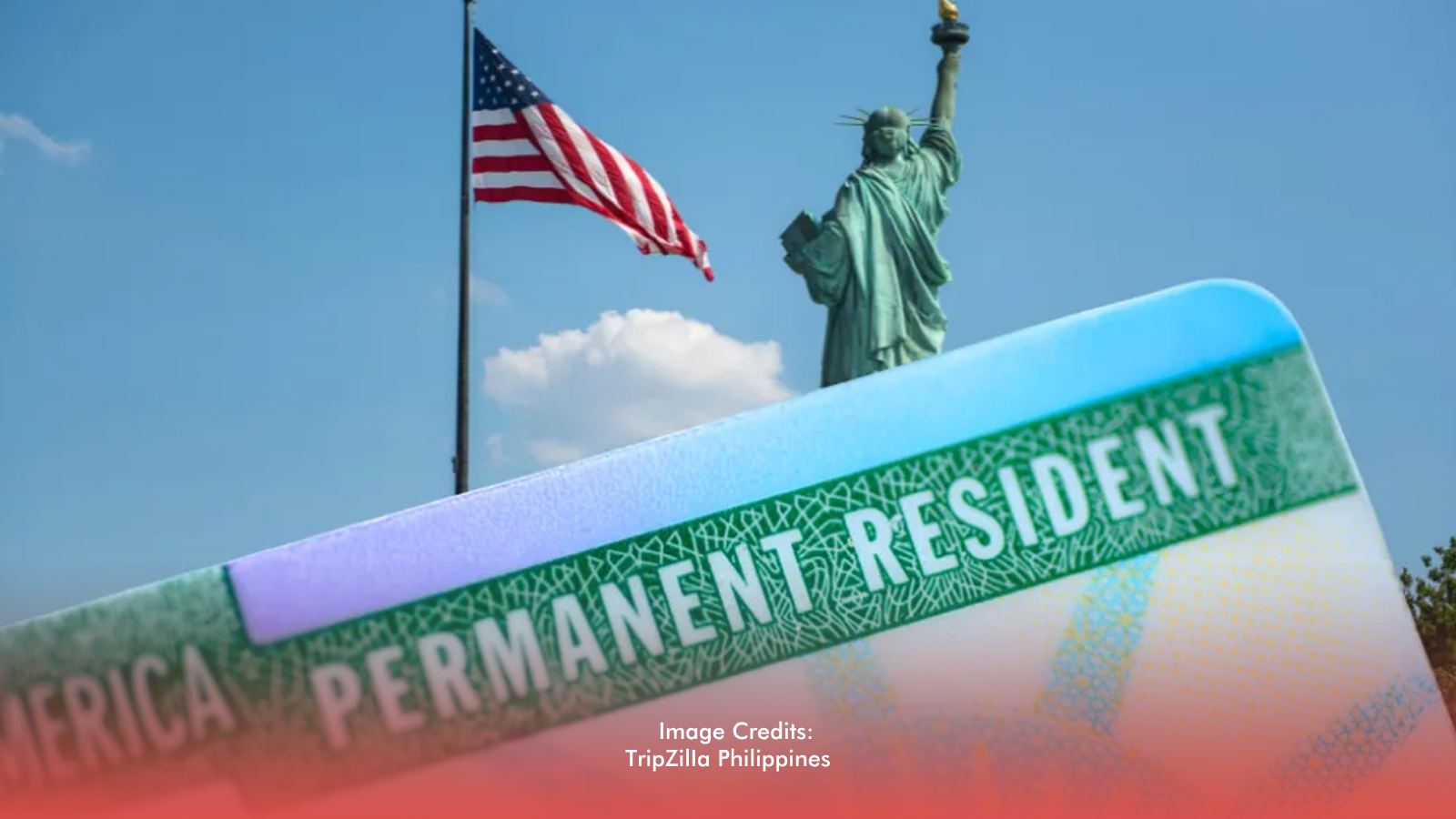
Filipinos planning to apply for a green card while staying in the United States are being advised to closely follow new immigration guidance that could affect how some residency applications are processed.
The Trump administration recently announced stricter rules for certain non-immigrant visa holders seeking permanent residency. Under the guidance issued on May 22, some applicants may be required to return to their home countries instead of completing the process while remaining in the U.S.
What the New Guidance Means
The policy has raised concerns among immigrants who are already in the United States and hoping to obtain a green card through an adjustment of status.
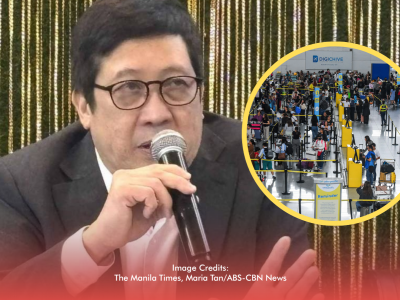
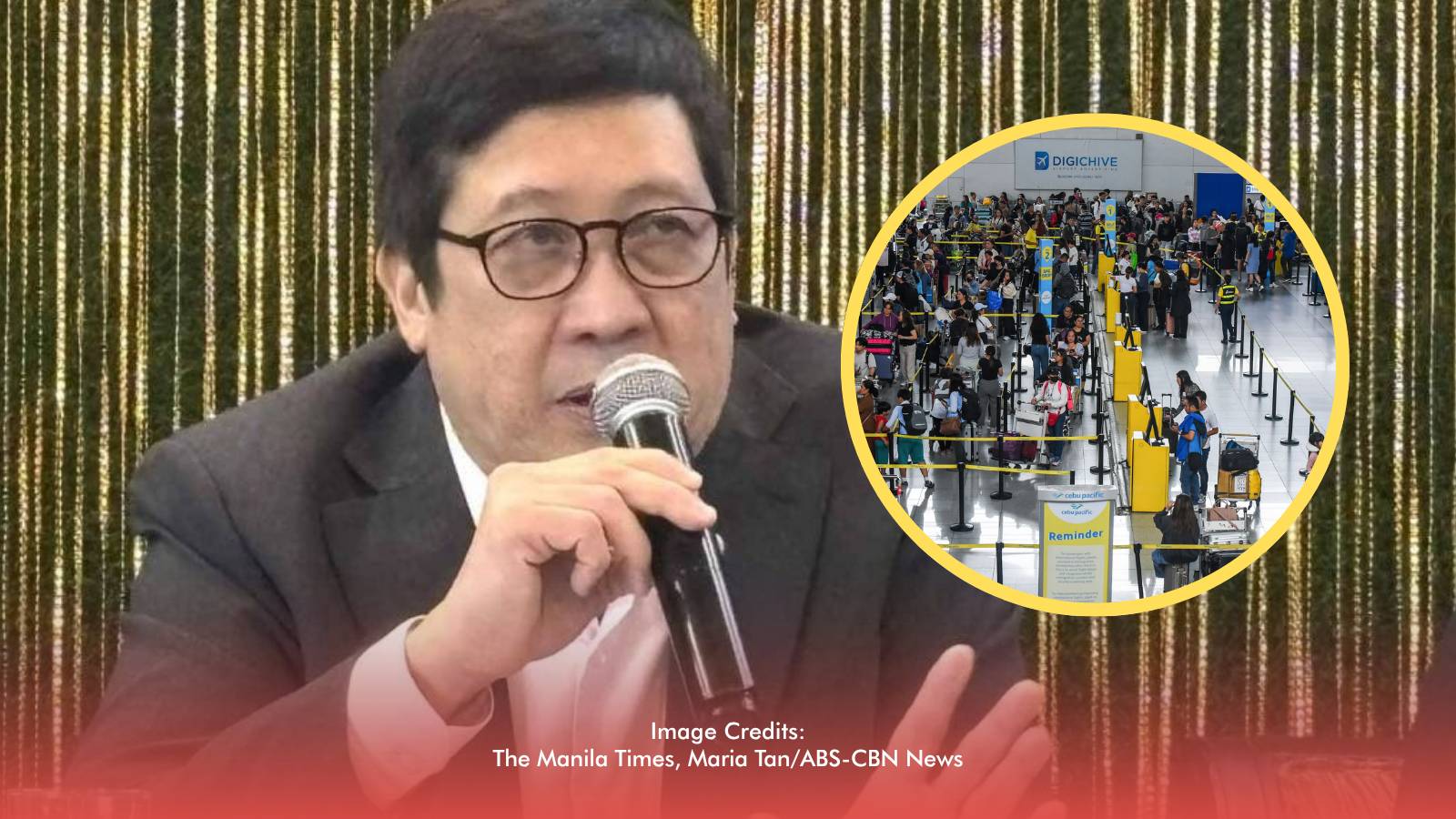
However, Philippine Embassy Minister and Consul General Zoilo Velasco said it remains unclear how broadly the guidance will be applied. He noted that the U.S. Department of Homeland Security (DHS) has indicated that applications will be reviewed on a case-by-case basis.
Velasco advised affected Filipinos to monitor developments and consult qualified immigration lawyers if needed.
He added that most Filipinos are unlikely to be significantly affected, as many pursue permanent residency through family petitions or employer sponsorships from the Philippines.
Stricter Enforcement, Not a New Law
According to New York-based immigration lawyer Nicolas Caraquel, the guidance does not create a new immigration law but reflects stricter enforcement of existing rules.
He said some holders of tourist visas and J-1 visas may be required to process their green card applications from their home countries unless they can demonstrate exceptional circumstances.
The move, he explained, is intended to discourage the use of temporary visas as a shortcut to permanent residency.
Caraquel clarified that applications for visa extensions or changes in status that do not involve a green card remain allowed under current regulations.
Case-by-Case Decisions
Despite concerns from immigrant advocates, Caraquel said early implementation suggests immigration officers continue to evaluate cases individually.
He cited reports involving H-1B visa holders, including teachers, who were allowed to continue their green card applications in the U.S. after demonstrating compelling reasons to remain.
Both the Philippine Embassy and immigration experts are encouraging temporary visa holders to seek legal advice as immigration policies continue to evolve.
Latest DHS and embassy estimates show that around 350,000 undocumented Filipinos currently reside in the United States.