The Philippines is stepping up its call for stronger safeguards for Filipino seafarers as thousands of maritime workers remain caught in a dangerous situation around the Strait of Hormuz. The government said protecting the rights, safety and welfare of seafarers continues to be an important part of the country’s foreign-policy agenda.
RELATED: [PH Retains Title as World's Leading Source of Seafarers]
Protecting Filipino Seafarers Abroad
The Department of Foreign Affairs (DFA) highlighted the significant role of Filipino maritime workers in the global shipping industry, saying they make up about "one-fourth of the global seafaring workforce and make an indispensable contribution to international shipping, trade and global supply chains."
Because many Filipino seafarers spend extended periods working far from the Philippines, the DFA stressed the importance of international coordination when conflicts and other emergencies threaten their safety. "They often work far from the protection and support of their home countries, underscoring the need for effective international cooperation during armed conflict and other emergencies," the DFA posted on X.
The Philippines also expressed support for United Nations High Commissioner for Human Rights Volker Türk's recent appeal for immediate measures to assist seafarers affected by the humanitarian and human rights crisis in and around the Strait of Hormuz.
Philippine Permanent Representative to the United Nations Carlos Sorreta emphasized the need to ensure that affected maritime workers are protected and brought home safely. “The protection and safe repatriation of stranded seafarers is both a human rights obligation and a humanitarian imperative,” Sorreta said.
“The Philippines joins the High Commissioner’s call for immediate measures to safeguard their lives and dignity and to ensure that they receive essential supplies, consular assistance, safe passage, repatriation and the wages owed to them,” he added.
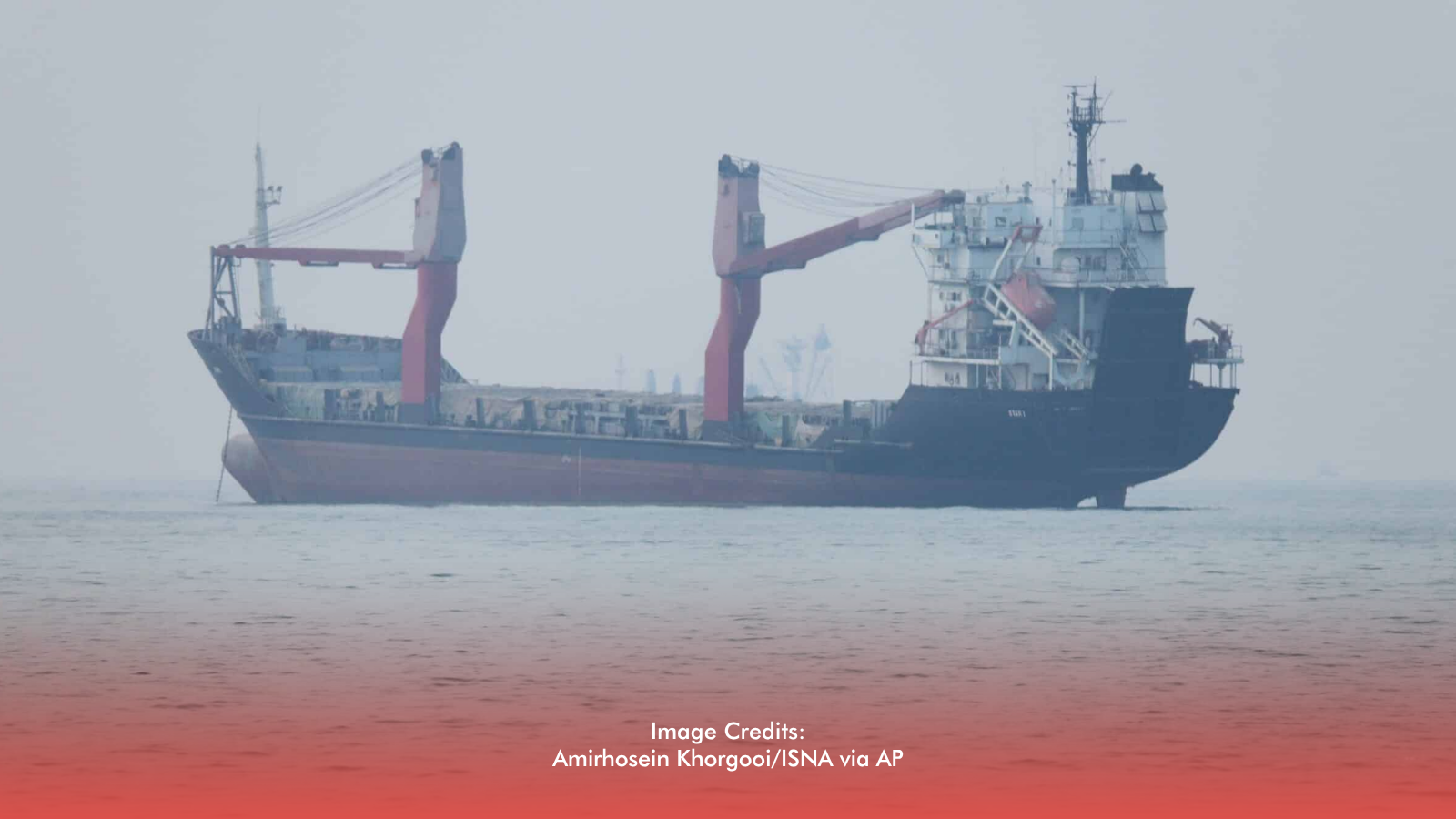
About 6,000 seafarers aboard some 400 vessels remain stranded in the area, while many others are unaccounted for. At least 17 seafarers have been killed since the conflict began.
Reports have also indicated that some seafarers were left without sufficient food, water, fuel, medical assistance or communication with their families. Some reportedly have yet to receive arrangements for repatriation or payment of wages owed to them.
Türk has condemned attacks on civilian vessels, which are protected under international humanitarian law. The Philippines likewise called on concerned States, shipowners and other relevant groups to uphold those protections and respect the human and labor rights of seafarers.
Philippines Pushes Global Maritime Cooperation
The DFA also pointed to the Manila Declaration on Seafarers’ Human Rights, Safety and Well-Being, which Türk referenced as a landmark global call to action.
The declaration was adopted during the International Conference on Seafarers’ Human Rights, Safety and Well-Being hosted by the Philippines in Manila in September 2025. It calls for closer cooperation among governments, international organizations, shipowners, maritime industry stakeholders and seafarers’ representatives to strengthen the protection of maritime workers.
The Philippines also noted that Türk's statement supports the goals of Human Rights Council resolution 56/18 on the promotion and protection of the enjoyment of human rights by seafarers. Initiated by the Philippines and adopted by consensus in July 2024, the resolution seeks stronger international cooperation in responding to human rights violations and abuses involving seafarers.
"The Philippine Mission regards the High Commissioner’s statement as a timely and important contribution to international efforts to protect seafarers and uphold their human and labor rights," the DFA said.
For the Philippines, stronger international protections for seafarers carry consequences well beyond maritime policy. With Filipino workers making up about one-fourth of the global seafaring workforce, efforts to secure safe passage, fair wages, access to essential services and timely repatriation can directly affect Filipino families who depend on income from overseas maritime work while reinforcing the country's role in promoting seafarers' welfare worldwide.
RELATED: [57% Of Filipinos Willing To Migrate Overseas, Survey Finds]