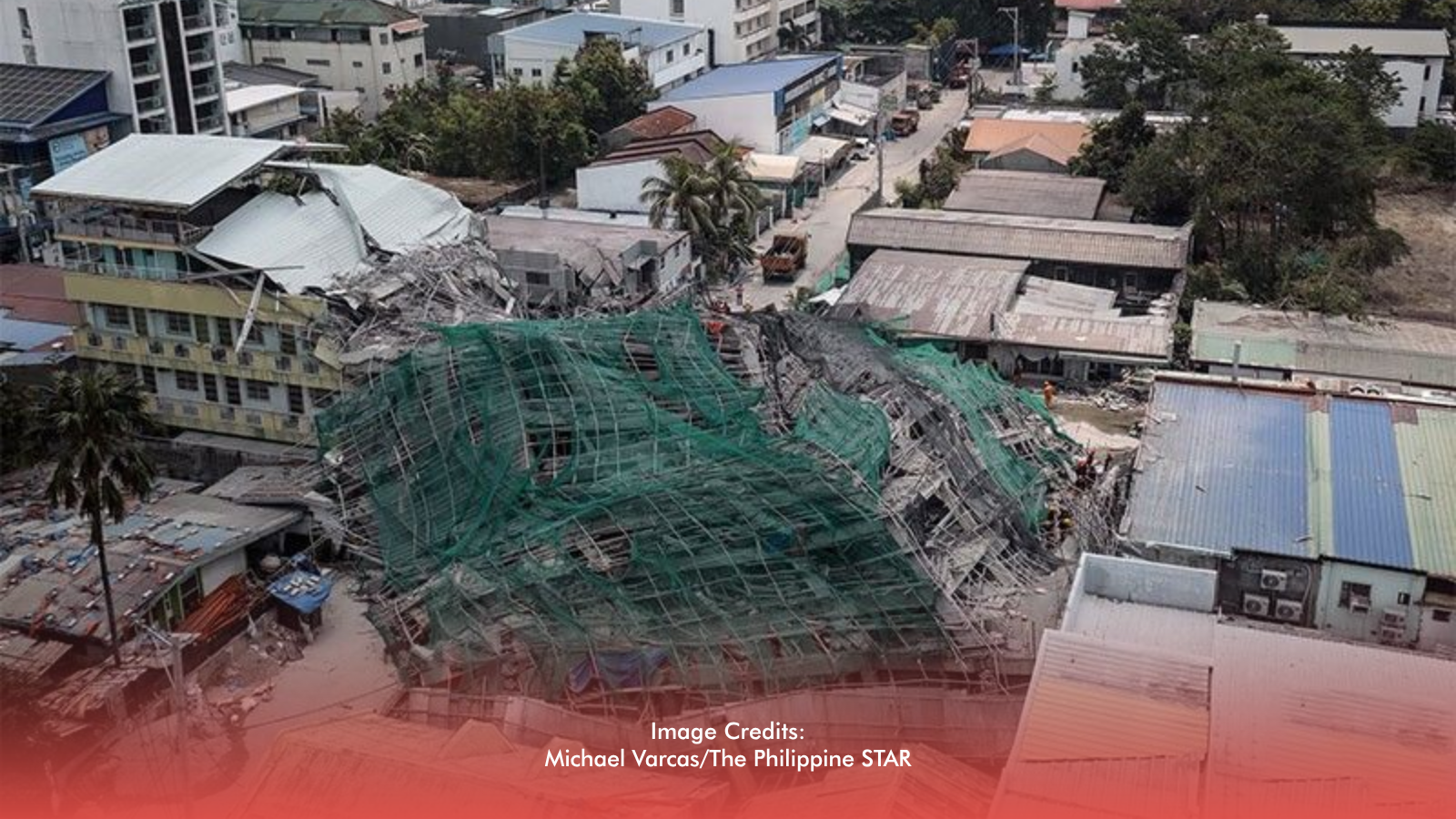
The Philippines is being urged to overhaul its building regulations as the country faces increasingly complex construction demands and growing risks from climate change and natural calamities. The push comes as President Ferdinand Marcos Jr. highlighted the importance of stronger construction standards and disaster-resilient infrastructure nationwide in his fifth State of the Nation Address.
RELATED: [Condominium Laws Every Condo Buyer Should Know in the Philippines]
Updating Rules That Date Back to 1977
Sen. Bong Go renewed his call for the passage of the proposed New Building Code, pointing to the need to bring national construction rules in line with current engineering practices and technological developments.
The existing National Building Code was last amended in 1977. Go said an updated framework is needed to account for changes in how buildings are designed and constructed, as well as the increasing challenges posed by natural hazards and climate change.
”We must ensure that every home, school, hospital, office and public building is safe and resilient, especially during disasters,” Go said.
The proposed New Building Code would cover a building's entire lifecycle rather than focusing only on the construction phase. The measure seeks stronger rules for the planning, design, construction, occupancy, maintenance, repair and renovation of buildings and other structures.
Regular inspections and maintenance would form part of the proposed approach to safety, with structures expected to remain compliant and secure throughout their lifespan.
”Safety does not end when a building is built. It must be regularly inspected and maintained to ensure that it remains strong and safe,” he said.
Stronger Oversight for Older Structures
The proposal also calls for tougher implementation of existing safety requirements, particularly against substandard construction materials, shortcuts in building practices and the approval of structures that do not meet established standards.
”When life is at stake, there is no room for fraud, mismanagement or neglect of inspection,” Go said.
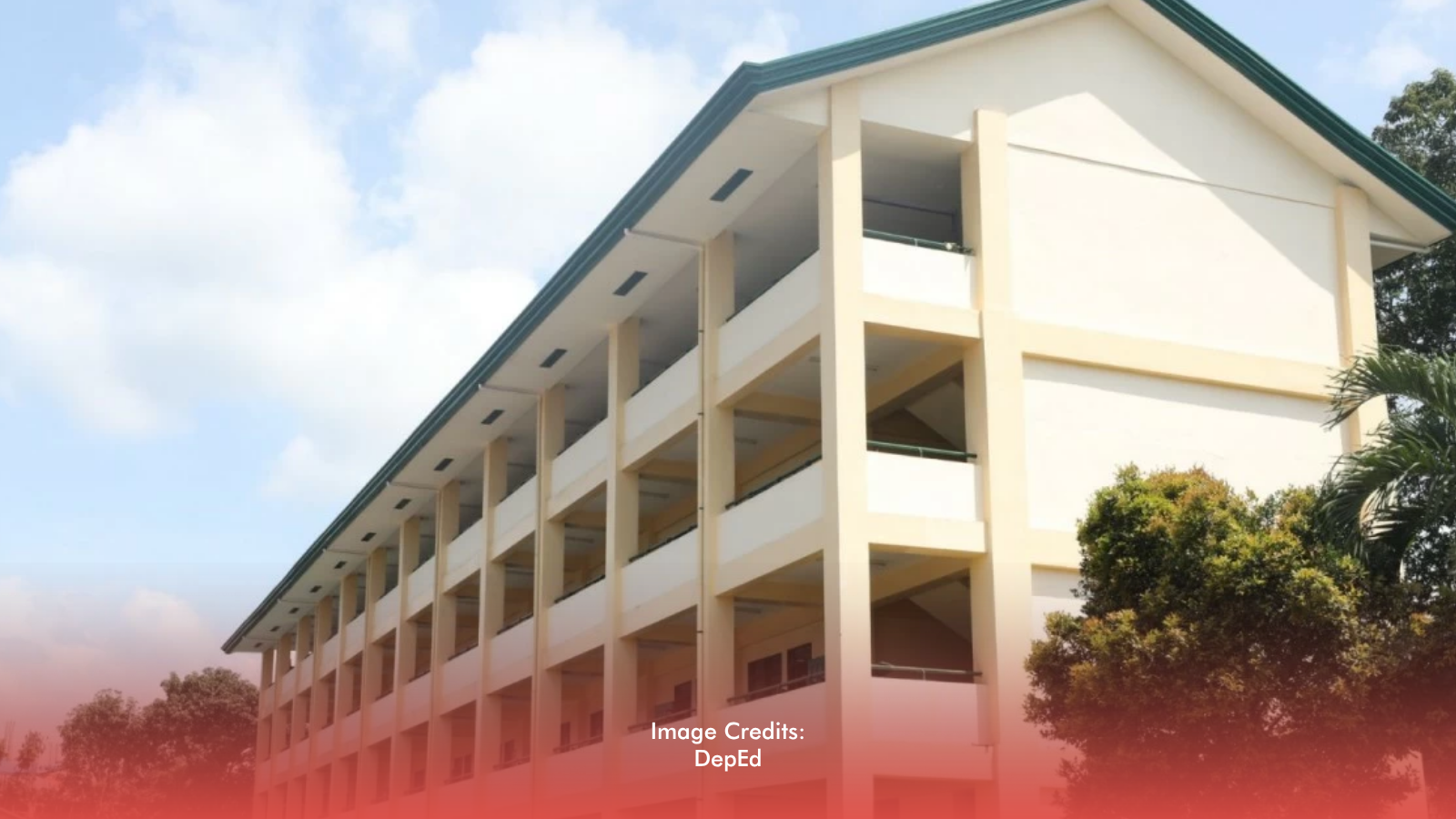
Another concern is the condition of older buildings, especially those situated in areas exposed to higher risks. Go urged authorities to assess schools, hospitals, public markets, government offices and residential buildings to determine whether they require repairs or retrofitting.
The proposed changes come as building safety becomes increasingly important to communities that must prepare for earthquakes, typhoons, flooding and other hazards. For ordinary Filipinos, stronger construction standards and better-maintained buildings can mean safer homes and public spaces, while for the country, modernized regulations can help reduce risks, protect infrastructure investments and strengthen long-term disaster resilience.
RELATED: [Condo Fire 101: Understanding Liability, Repairs, and Recovery]