25 years after the Ecological Solid Waste Management Act of 2000 or Republic Act No. 9003 the Philippines is confronting a stark reality: landfills are failing, waste is rising, and policymakers are reconsidering a long-standing ban on incineration.
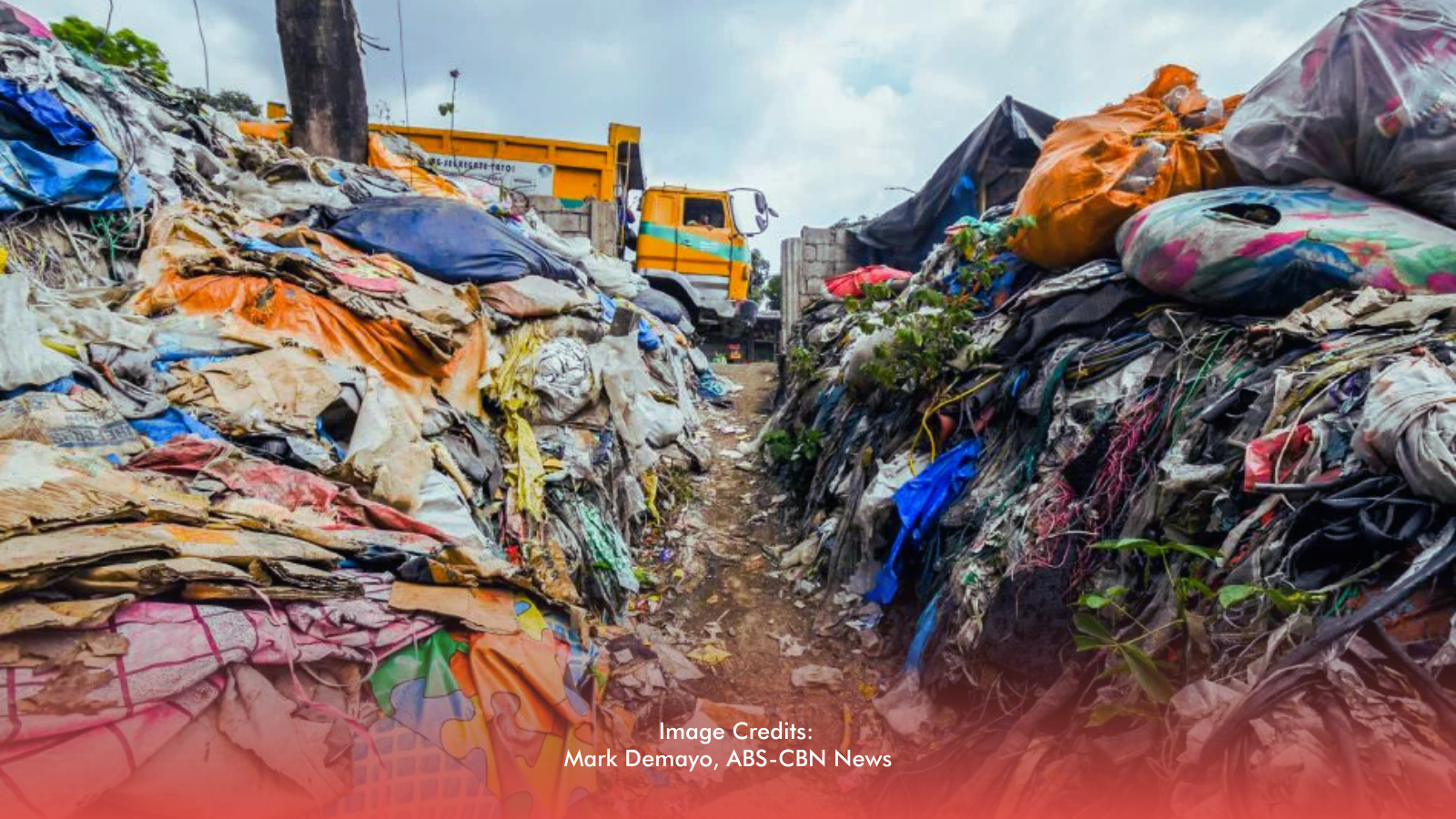
The urgency is clear. This year, Rizal experienced a landfill collapse that exposed structural weaknesses and safety risks for nearby communities. In Cebu, a landslide at a waste facility triggered emergency responses and investigations. These are not isolated incidents; they are symptomatic of a system under pressure, decades after RA 9003 promised a comprehensive solution.
What RA 9003 Promised and Where It Fell Short
RA 9003 aimed to decentralize waste management and reduce landfill dependency. It required:
- Segregation at source
- Barangay-level Materials Recovery Facilities (MRFs)
- Closure of open dumpsites and use of sanitary landfills
- A ban on incineration to prevent toxic emissions
In principle, proper implementation would reduce landfill volume over time and protect communities from environmental hazards.
Yet after 25 years, enforcement remains uneven. Many barangays still struggle with functional MRFs. Some open dumpsites persisted long past mandated closure. Landfills face overcapacity, inadequate monitoring, and structural risk, as Rizal and Cebu now painfully demonstrate.
What Happened in Rizal and Cebu?
The recent incidents highlight a core challenge: landfill capacity and compliance.
As urban populations expand and consumption patterns shift toward single-use packaging, waste generation continues to rise. Where segregation and diversion remain weak, more waste flows directly into disposal facilities. Over time, this creates pressure on landfill space, increases structural risk, and raises environmental hazards.
The Rizal and Cebu cases underscore three systemic issues:
- Capacity strain – Facilities are operating near or beyond intended limits.
- Monitoring gaps – Engineering and environmental safeguards require consistent oversight.
- Diversion shortfalls – Waste reduction and recovery targets have not been uniformly met nationwide.
These structural realities explain why policymakers are revisiting the law’s prohibition on incineration.
Incineration Returns to the Debate
Government officials argue that modern waste-to-energy (WTE) facilities can:
- Reduce landfill volume
- Extend landfill lifespan
- Generate electricity from residual waste
Countries like Japan and parts of Europe operate WTE plants under strict environmental standards. Proponents contend that after a quarter-century, technological evolution justifies rethinking the incineration ban.
25-Year Reckoning
Revisiting RA 9003 now is necessary, but it must be strategic. Any move toward incineration should be accompanied by strict emission and operational standards, transparent monitoring systems, and reinforced efforts in segregation, recycling, and composting. Because 25 years after the law’s passage, the challenge is not just burning trash safely, it is ensuring that the entire waste management system works.
The question is urgent and unavoidable:
Is incineration the solution the Philippines needs — or a shortcut that sidesteps decades of unfinished work?