The Department of Public Works and Highways (DPWH) has launched a dedicated task force to strengthen the government’s initiatives for cleaning and maintaining waterways across the Philippines, aiming to reduce recurring flooding in key areas.
Public Works Secretary Vince Dizon announced that a special order, signed last January 14, formally created Oplan Kontra Baha, with Undersecretary for Special Concerns Charles Calima Jr. appointed to lead the initiative. The task force will be replicated across all 177 DPWH regional offices to ensure nationwide coverage.
RELATED: [Flood Prevention Meets AI: San Juan Launches ClearBot Project In Local River]
Collaboration Across Agencies and the Private Sector
The newly formed task force will work closely with the Metropolitan Manila Development Authority (MMDA), Department of Environment and Natural Resources (DENR), Department of the Interior and Local Government (DILG), and private sector partners.
“These agencies shall work together, in partnership with the private sector, to implement the ‘Oplan Kontra Baha: Nationwide Waterways Clearing and Cleaning Operations,’” the special order stated. Regular coordination meetings, site inspections, and performance validations will be conducted to ensure progress and accountability.
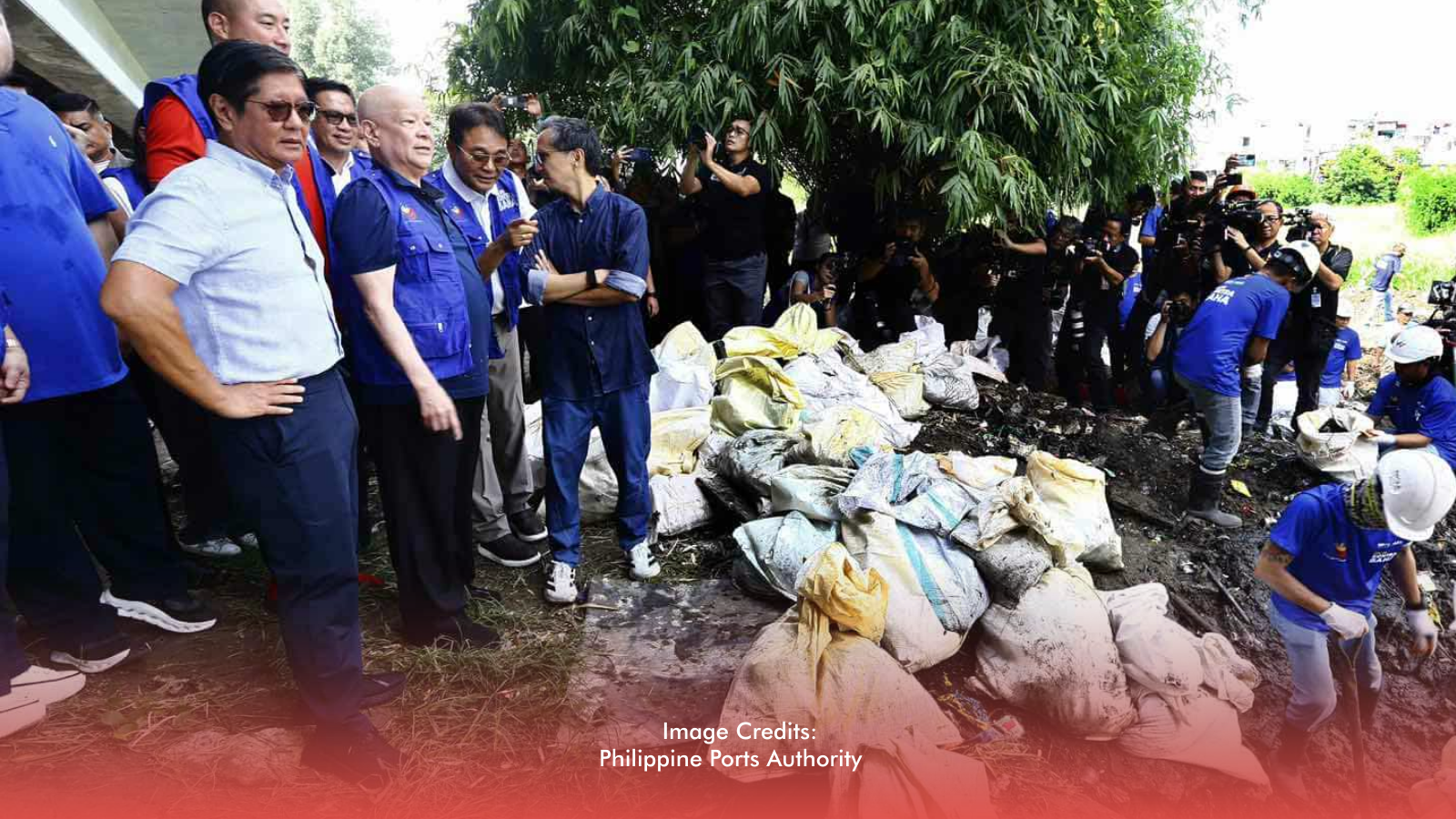
Dizon highlighted that the six-month mission aligns with President Ferdinand Marcos Jr.’s directive to alleviate flooding, particularly in Metro Manila, Metro Cebu, and Bacolod City. The measures include cleaning esteros, dredging waterways, hauling spoils, unclogging drainage inlets and laterals, manually clearing drainage lines, and desilting rivers and streams.
“Oplan Kontra Baha not only focuses on dredging, but also includes the implementation of science-based projects, clearing of illegal structures in waterways, and the strict enforcement of VCC solid waste management in collaboration with local government units,” Dizon added, underscoring the comprehensive approach.
Key Projects Across the Country
In Metro Manila, priority projects include the drainage improvement along G. Araneta Avenue in Quezon City, featuring the installation of two 1.5-meter drainage pipes, as well as the dredging of the heavily silted San Juan River. Metro Cebu continues to undergo hauling, desilting, and dredging operations, targeting rivers such as the Guadalupe, Mahiga, Kinalumsan, Mananga, Butuanon, and Cotcot.
Meanwhile, Bacolod City is working to clear 169 kilometers of rivers, streams, and estuaries, along with 116 kilometers of drainage systems, including Banago Creek, Mandalagan River, and Sum-ag River. Similar task force units have also been set up in 17 DPWH regional offices nationwide to replicate the program across the country.
Dizon emphasized that Oplan Kontra Baha seeks to avoid expensive and less effective “gray” flood control projects, which environmental scientists have warned can worsen flooding by narrowing waterways and obstructing water flow during heavy rains.
By institutionalizing regular waterway maintenance and coordinating multiple agencies, Oplan Kontra Baha aims to make Filipino communities safer and more resilient during the rainy season, particularly in flood-prone urban centers.
RELATED: [DPWH Launches Transparency Portal To Monitor Infra Projects]