
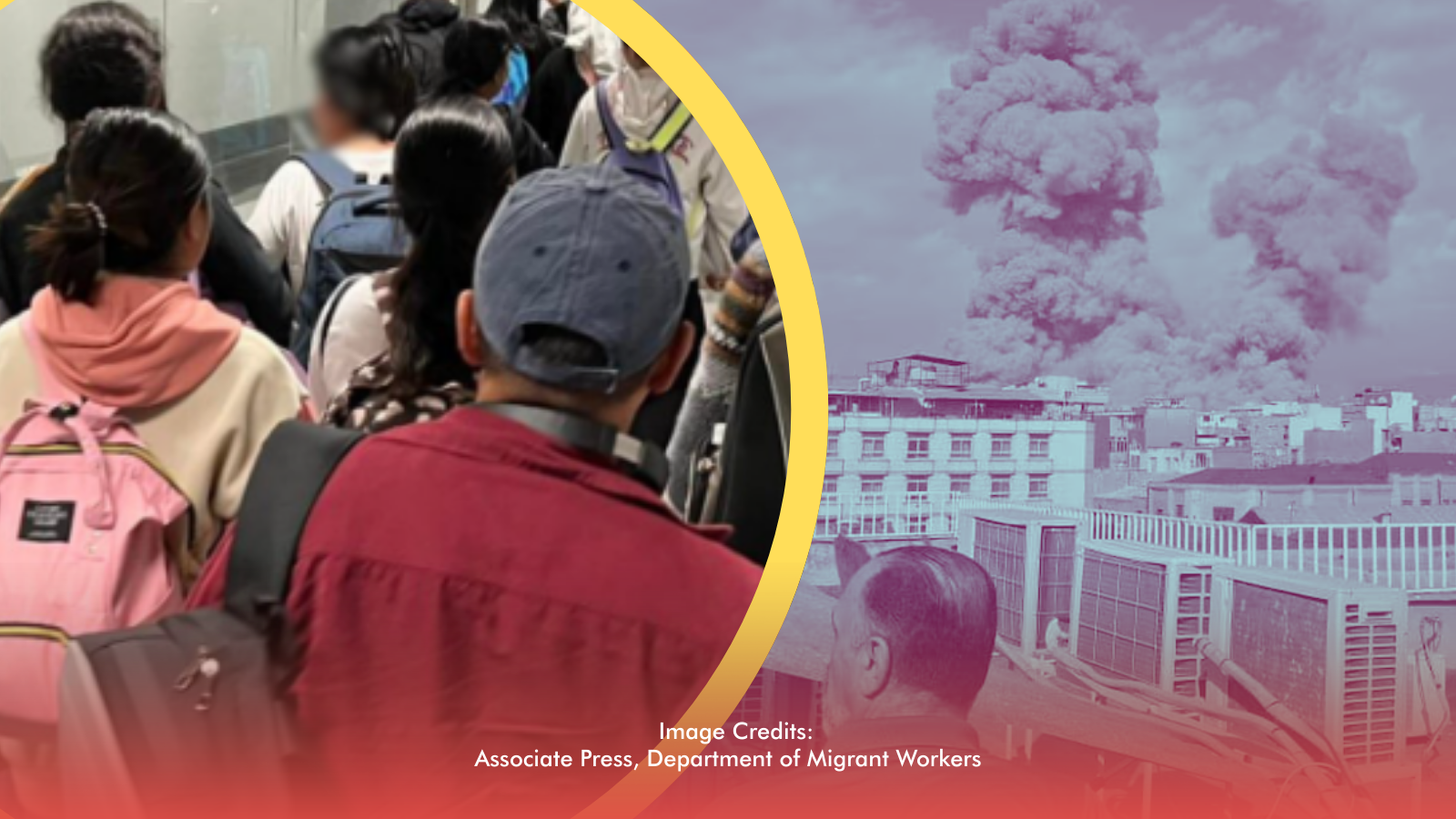
Escalating tensions between the United States and Iran often send shockwaves far beyond the Middle East. While no full-scale war is underway, any direct military confrontation between the two countries could trigger economic and geopolitical ripple effects that reach the Philippines.
As a fuel-importing and trade-dependent nation, the Philippines is particularly sensitive to global instability. Even limited strikes or retaliatory actions in the Gulf region could unsettle markets and drive up energy prices worldwide.
Oil Prices and Economic Pressure
Iran sits near the Strait of Hormuz, one of the world’s most critical oil transit chokepoints, where roughly a fifth of global oil supply passes daily. In previous periods of heightened U.S.–Iran tensions, global crude prices have surged on fears of supply disruption.
For a fuel-importing country like the Philippines, higher oil prices typically translate to increased transportation costs, rising electricity rates, and more expensive goods. Inflationary pressure could follow, affecting everything from food prices to public transportation fares.
Even without direct Philippine involvement, market reactions alone could strain household budgets.
OFWs and Regional Stability
The Philippines maintains longstanding defense ties with the United States, while also engaging diplomatically with Middle Eastern nations. In the event of open conflict, the Philippines could face delicate diplomatic balancing acts.
Millions of overseas Filipino workers are based in the Middle East, particularly in Gulf countries. While Iran is not a primary OFW destination, wider regional instability could affect neighboring states where Filipinos work.
In past crises, the Philippine government has prepared evacuation and contingency plans to safeguard its nationals. Beyond safety concerns, any disruption to employment in host countries could impact remittances, a key pillar of the Philippine economy.
Though geographically distant, a U.S.–Iran conflict would not be a remote issue for Filipino families. From pump prices to overseas employment, global tensions have a way of becoming local realities.