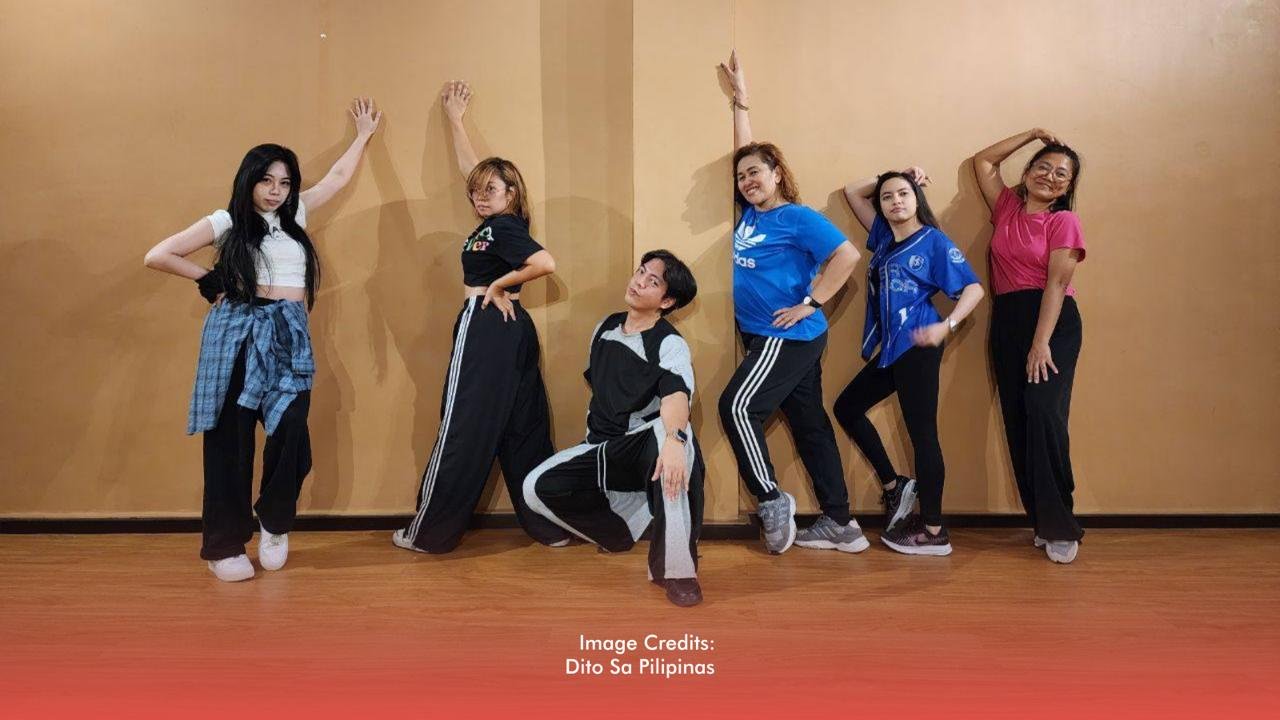
Step into any femme dance class in the Philippines and you’ll quickly feel the energy. There are sharp poses in front of the mirrors, dramatic dips on the studio floor, and classmates cheering each other on. The style may have originated abroad, but in many ways, it feels right at home here.
Roots in Performance and Pageantry
Femme dance traces its roots to the Harlem ballroom scene from the 1960s to the 1990s, where Black and Latinx LGBTQIA+ communities created spaces (“balls”) to celebrate fashion, dance, and identity. One of the most influential styles to emerge from this culture was Vogue Femme, known for its expressive hand movements, dramatic poses, and runway-inspired walks.
For Filipinos, this appeal is immediate. We have long embraced performance and pageantry, with competitions like Miss Universe drawing massive attention each year. Much like pageant contestants commanding the stage, Vogue Femme emphasizes poise, glamour, and confidence.
A Showcase of Queer Artistry
As hinted earlier, femme dance is deeply tied to LGBTQIA+ history. Dance collectives like Femme MNL showcase feminine choreography on major stages, while shows like Drag Race Philippines have helped bring drag and ballroom-inspired performance into the mainstream.
Not only that, but many local femme dance instructors are part of the LGBTQIA+ community, passing on both the steps and the culture behind it.
Pop Culture Influences
Pop culture has helped amplify femme dance as well. When Madonna released her hit song “Vogue” in 1990, voguing reached global audiences. Meanwhile, we Filipinos quickly embrace dance trends and continue to adapt the style in various ways. Recently, many classes have featured routines to nostalgic tracks like “Bebot” by the Black Eyed Peas or songs by the SexBomb Girls.
An Outlet for Self-Expression
Beyond trends and performances, femme dance offers something far more compelling: empowerment. Historically, Vogue Femme allowed marginalized communities to reclaim femininity as strength and confidence. Today, it gives dancers an outlet to express themselves, regardless of age, gender, or social status.
Community-Building
Inside the studio, something uniquely Filipino emerges: the bayanihan spirit. Dancers hype each other up during runs, help classmates find the count, and celebrate every small victory. In a way, it also reflects pakikisama and the idea that no one dances alone.
Perhaps that’s why femme dance continues to grow here. It’s more than just movement; it’s the confidence, creativity, and connection that come with every post, strut, and dip.