
Fire safety has traditionally focused on familiar risks such as faulty wiring, unattended cooking, overloaded electrical outlets, and flammable materials. However, the growing use of power banks, smartphones, laptops, e-bikes, electric scooters, and electric vehicles have added new dimensions to fire safety and emergency preparedness.
With these devices becoming part of everyday life, fire preparedness is no longer just a concern for industrial facilities, it’s become relevant to homes, condominiums, schools, offices, and other everyday environments as well.
The Growing Risk of Lithium-Ion Battery Fires
Lithium-ion batteries power many of the devices people use every day, from smartphones and laptops to power banks and electric vehicles.
While generally safe when properly manufactured and used, these batteries can become hazardous if damaged, exposed to extreme heat, improperly charged, punctured, or affected by manufacturing defects. In some cases, they may experience a phenomenon known as thermal runaway, where heat rapidly spreads from one battery cell to another, potentially resulting in fire.
Unlike many conventional fires, lithium-ion battery fires can be particularly difficult to control because the chemical reactions occurring inside the battery can continue generating heat even after external flames appear to be extinguished.
This is one reason battery fires often attract special attention from firefighters and safety professionals.
Why Heat and Power Banks Can Be a Dangerous Combination
Power banks have become essential travel and everyday accessories, but they should not be treated as indestructible devices.
Safety experts generally advise against leaving power banks, smartphones, laptops, or other battery-powered devices inside vehicles exposed to direct sunlight for extended periods. Temperatures inside parked vehicles can rise significantly, increasing stress on battery cells and potentially creating dangerous conditions.
Globally, there have been reported incidents involving overheating batteries, swelling power banks, smoke emissions, fires, and property damage linked to battery failures. While such incidents remain relatively uncommon compared to the number of devices in use, they highlight the importance of proper handling and storage.
RELATED: [Condo Fire 101: Understanding Liability, Repairs, and Recovery]
Not All Fires Are the Same
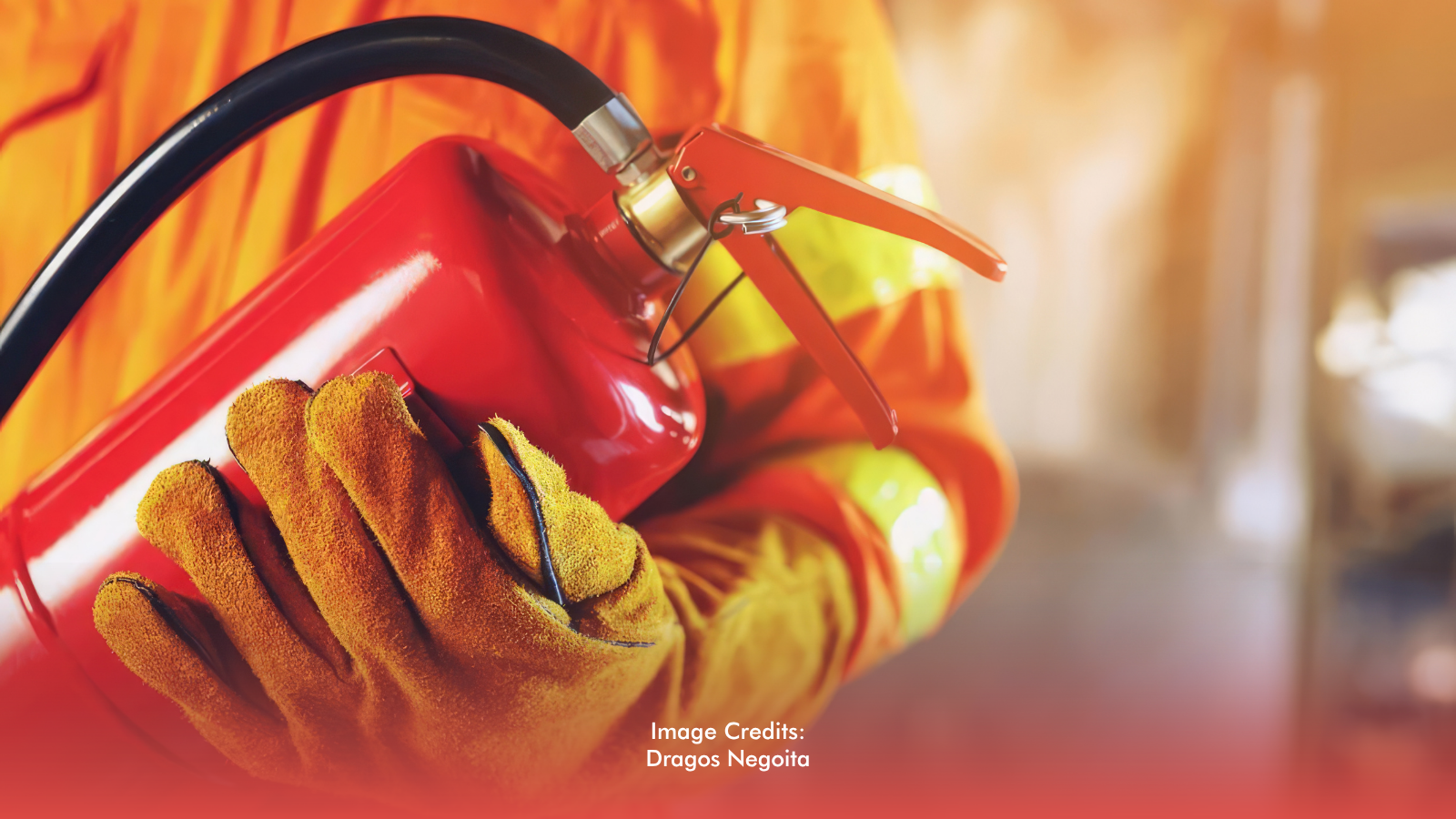
Many people assume that a fire extinguisher is a one-size-fits-all safety tool.
In reality, fire extinguishers are designed for different types of fires. Traditional extinguishers are generally intended for common combustible materials, flammable liquids, or electrical fires. However, incidents involving lithium-ion batteries can behave differently and may require specialized suppression methods.
This distinction has become more important as battery-powered devices become increasingly common in homes, offices, vehicles, and residential buildings.
The Importance of Using the Right Fire Extinguisher
As battery-powered devices become more widespread, fire safety professionals are paying closer attention to extinguishing agents designed for lithium battery-related incidents.
Not all fire extinguishers are equally effective against every type of fire. Some extinguishers that work well on ordinary combustible materials may not be sufficient for certain battery fires. This is why many organizations now evaluate their fire safety equipment based on the specific risks present in their homes, offices, buildings, or vehicles.
For property managers and building operators, this may include reviewing whether existing fire safety equipment remains appropriate as more residents and occupants use battery-powered devices.
Having the right equipment is important, but prevention remains the most effective form of fire protection. Regular maintenance of electrical systems, proper charging practices, safe storage of batteries, participation in fire drills, and awareness of potential hazards all play important roles in reducing risk.