
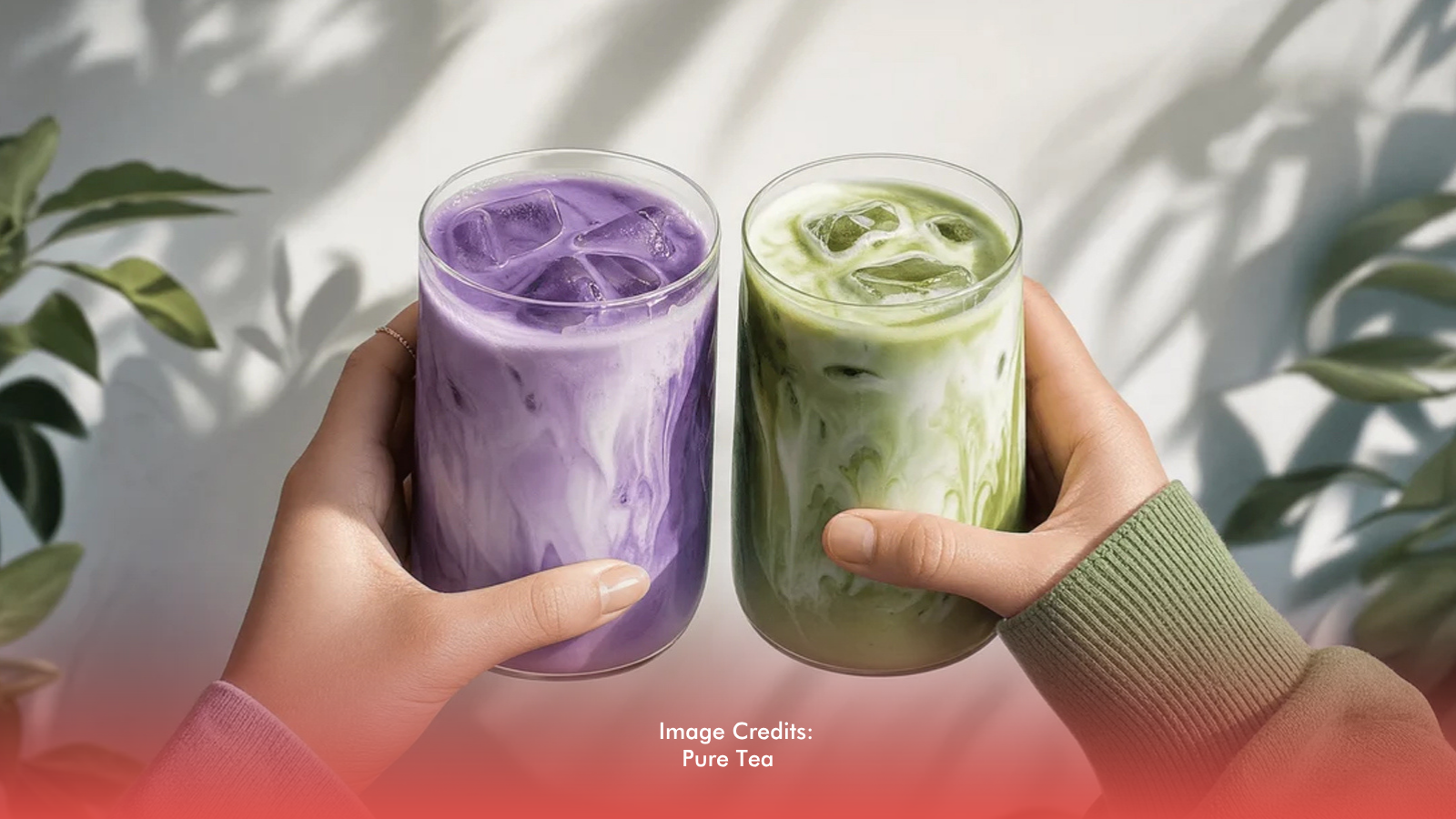
Not too long ago, matcha was everywhere. It became the go-to flavor for coffee, milk tea, pastries, and desserts. But these days, another colorful ingredient is stealing the spotlight. Ube, the Philippines' beloved purple yam, is showing up in more drinks, desserts, and café menus, proving that a local favorite can stand alongside global trends.
The Purple Craze Is Here
From specialty cafés to well-known food chains, ube is popping up in all kinds of treats. Pickup Coffee has its Ube Cheese Cream Milk, while Zus Coffee serves creamy ube lattes and frappes. Coffee Project brings together two popular flavors with its Iced Ube Matcha, and Cooper's Coffee Haus offers a variety of ube lattes for every kind of coffee lover. Even Famous Belgian Waffles has joined the trend with its Ube Coconut Latte.
The love for ube doesn't stop with drinks. Cakes, ice cream, hopia, polvoron, tikoy, pastries, and many other Filipino favorites continue to celebrate the rich flavor and vibrant color of this homegrown ingredient.
More Than Just a Food Trend
What makes ube special is that it isn't something new. Filipinos have enjoyed it for generations, but today, it is being rediscovered in fresh and creative ways. As more people choose ube-flavored products, local businesses are finding new opportunities to showcase a proudly Filipino ingredient to a wider market.
The growing demand also shines a light on the people behind every harvest. Farmers and local producers play a key role in making sure there is enough quality ube to supply homes, cafés, restaurants, and food manufacturers.
Helping the Ube Industry Grow
As the popularity of ube continues to rise, supporting the local industry becomes more important than ever. Senate Bill No. 2315, filed by Sen. Camille Villar, aims to strengthen the Philippine ube industry by supporting local production, improving the value chain, and promoting Philippine ube in the global market.
With the right support, ube can become more than just the latest food craze. It can create more opportunities for Filipino farmers, help local businesses grow, and strengthen the Philippines' reputation as the home of one of the world's most loved purple flavors.