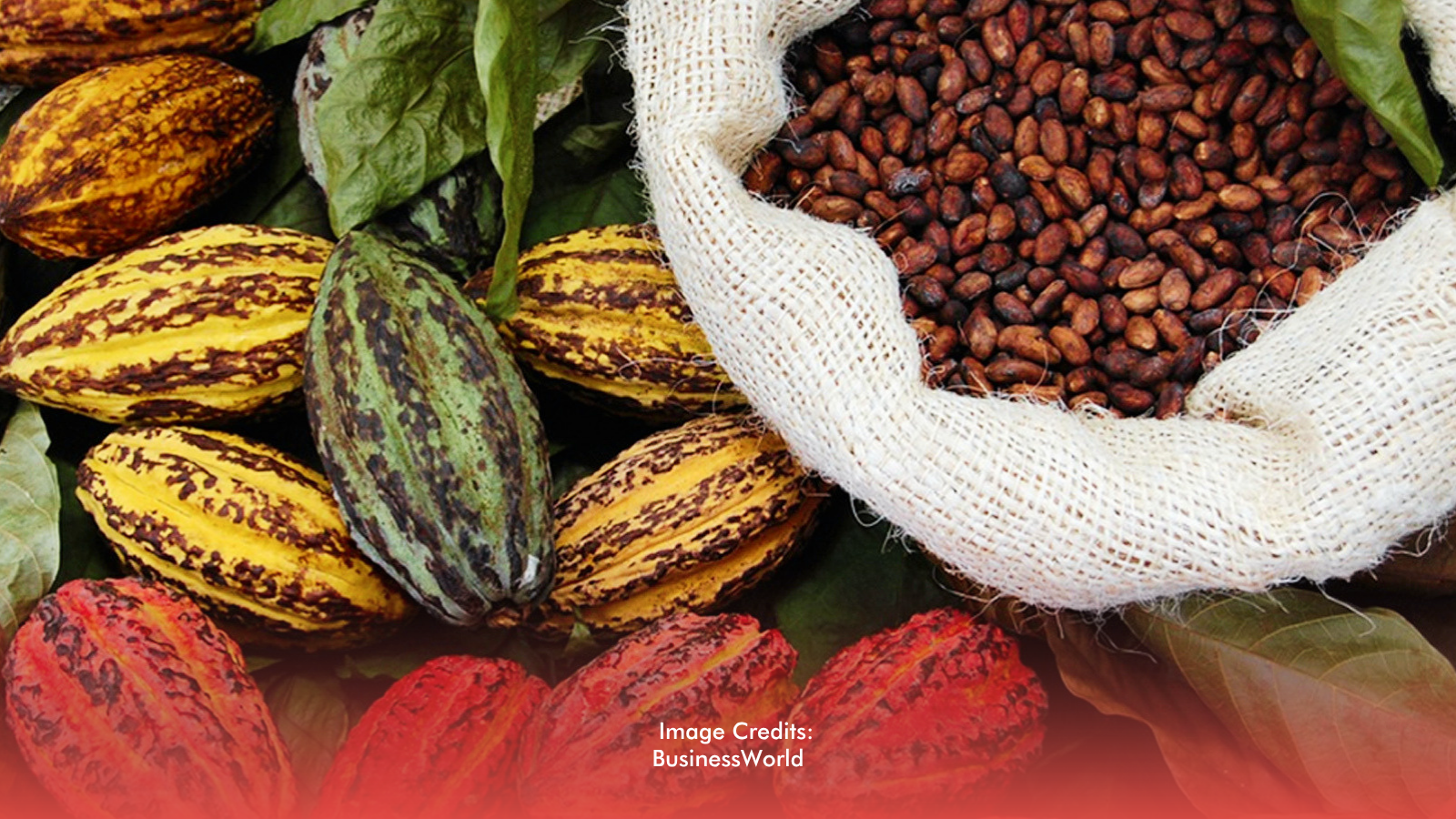
The Davao region continues to dominate the country’s cacao industry, producing 7,807 metric tons (MT) and accounting for 72 percent of total national output, the Department of Agriculture–Davao Region (DA-11) reported.
Davao’s Stronghold in National Production
Based on data from the Philippine Statistics Authority (PSA), the region also maintained the largest cacao-harvested area in 2024, covering 19,969 hectares or 60 percent of the country’s total plantation area. The DA-11 said the sustained output underscores the region’s long-standing leadership in the sector, which has consistently supplied the bulk of the country’s cacao in recent years.
Provincial Output Reinforces Regional Leadership
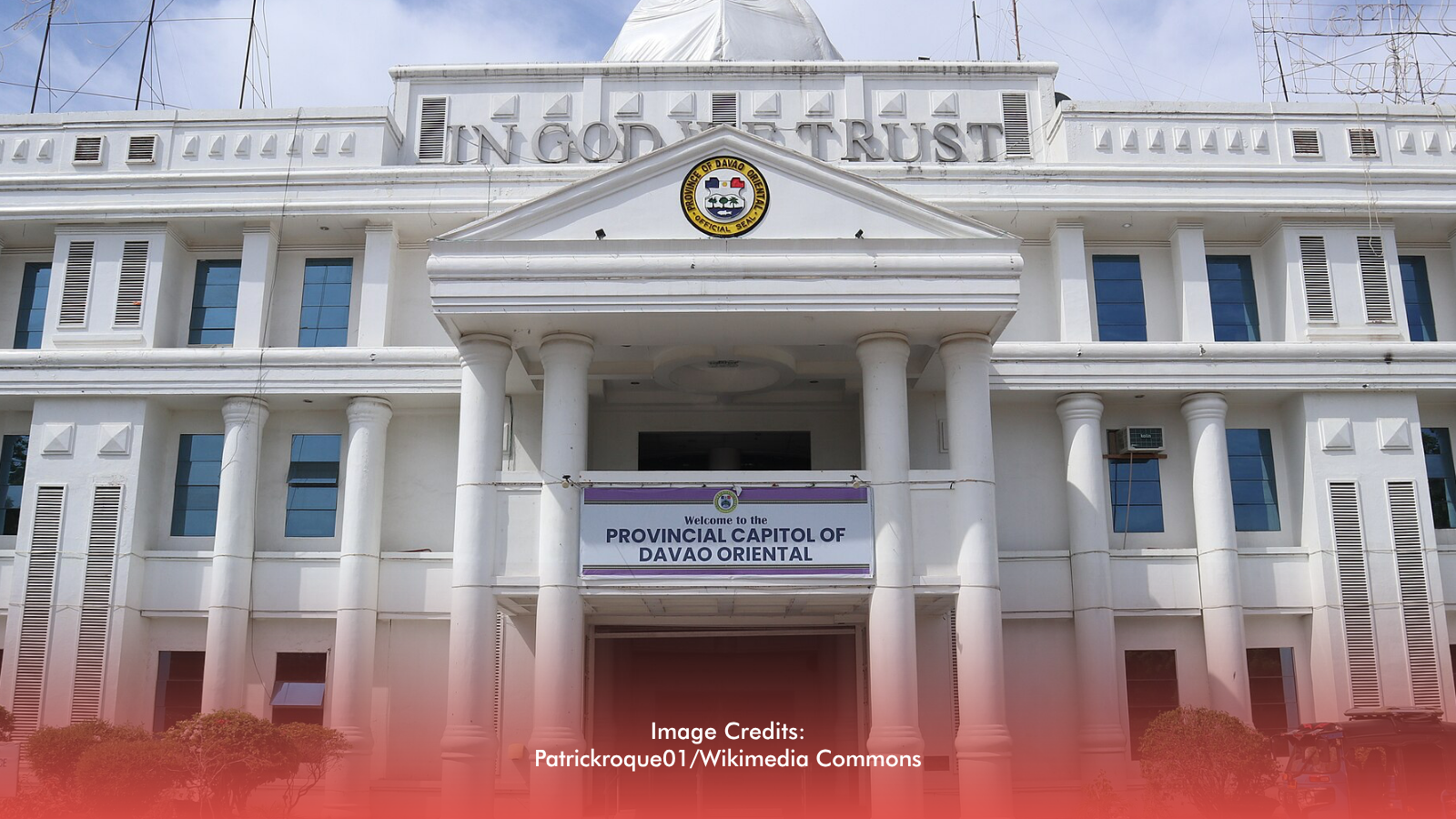
Among Davao provinces, Davao del Sur remained the top producer with 4,352 MT. It was followed by Davao del Norte (1,520 MT), Davao Occidental (707 MT), Davao de Oro (676 MT), and Davao Oriental (552 MT). The region’s dominance has been steady, accounting for about 80 percent of national production in both 2022 and 2023, with outputs of 8,031.97 MT and 8,024.02 MT, respectively.
“This is a testament to the hard work of our farmers and the strength of our cacao sector,” the DA-11 said.
Industry Roadmap Targets Higher Value and Quality Standards
Under the Regional Agriculture and Fisheries Investment Portfolio of the Philippine Rural Development Project (PRDP), Davao Region is projected to retain its status as the country’s cacao capital at least until 2030. The roadmap aims for 80 percent of cacao production to follow traceable, high-quality fermentation standards, while also expanding value-added processing for local and export markets.
Constraints and Planned Interventions
Despite its strong performance, the industry continues to face challenges, including limited access to quality planting materials, low bean supply, farm management gaps, labor shortages, and postharvest constraints.
To address these, planned investments include the establishment of a regional cacao development hub, farmers’ knowledge center, and trading center. Supporting initiatives also cover cacao nursery networks, farmer field schools, farm rehabilitation and cluster expansion, community-managed fermentation and drying facilities, enterprise development programs, and skills training for industry workers.