
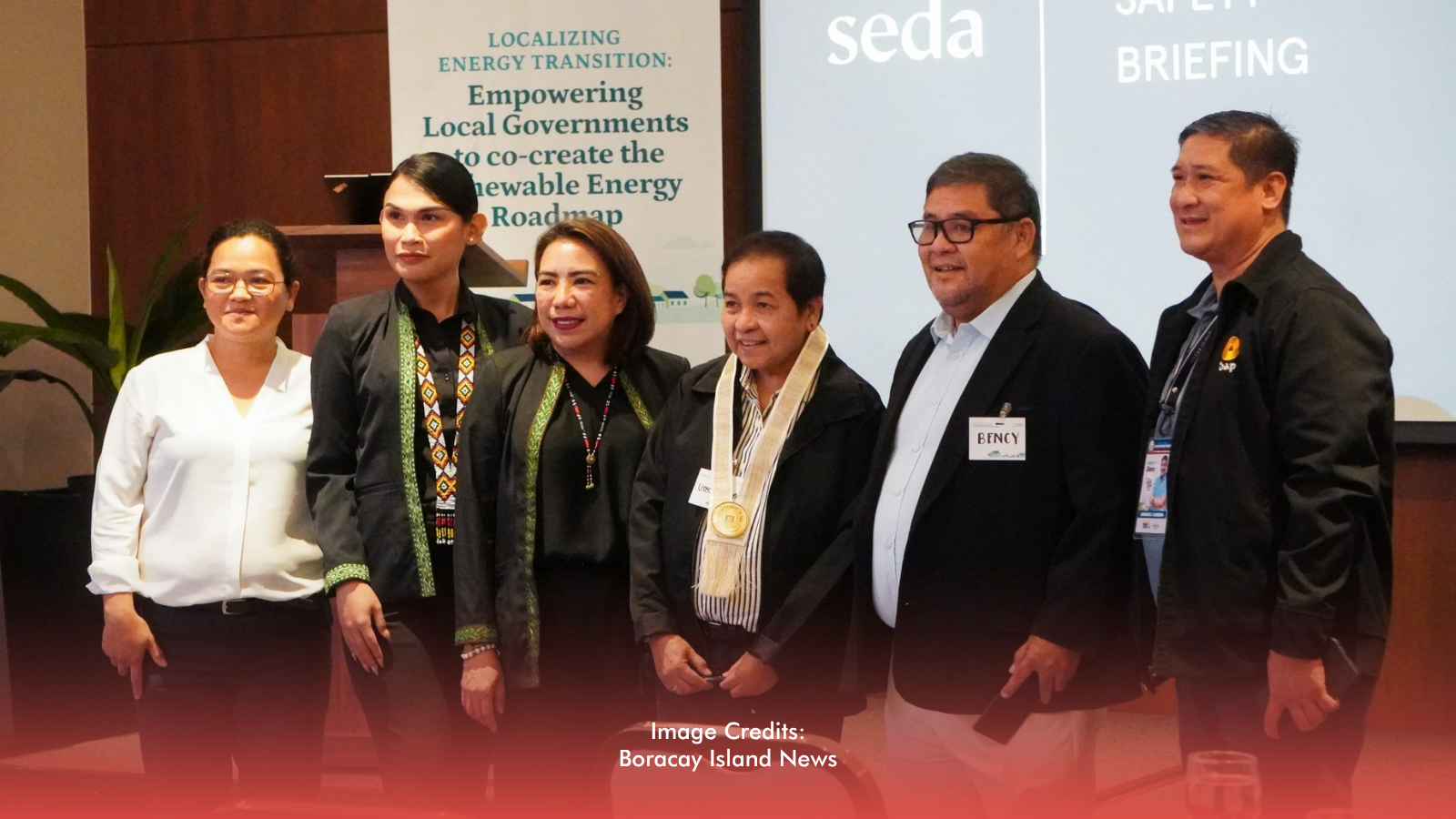
Cagayan de Oro City is advancing efforts toward cleaner and more sustainable power sources through a new partnership with the Institute for Climate and Sustainable Cities (ICSC). The collaboration aims to create a renewable energy (RE) plan and long-term roadmap designed to improve energy security, address climate-related concerns, and support sustainable urban development.
Local officials said the initiative reflects the city’s growing focus on preparing for future energy challenges while reducing dependence on traditional fuel sources. Through technical guidance from ICSC, the city government is expected to assess its energy demands, identify renewable energy opportunities, and develop strategies for transitioning toward cleaner electricity systems.
Mayor Rolando “Klarex” Uy emphasized the importance of the project for the city’s future development.
“As a growing and dynamic city, we recognize that our future depends on how we respond to the challenges of energy security, climate change and sustainable development. Through this initiative, we take a decisive step toward a cleaner, more resilient and more inclusive energy future,” Uy stated.
Renewable Energy Potential in Northern Mindanao
Cagayan de Oro’s location places it near several key renewable energy sources in Mindanao. Among these are the planned 40-megawatt (MW) San Isidro run-of-river hydropower plant and the proposed rehabilitation of the Agus-Pulangi Hydropower Complex, which remains Mindanao’s largest renewable energy source with a 1,000-MW installed capacity.
The city is also seen to have strong potential for solar energy development, particularly in densely populated coastal sections of its downtown area. Despite these opportunities, Northern Mindanao continues to experience expensive electricity rates, increasing the urgency to pursue cleaner and more affordable alternatives as Mindanao works toward a 50:50 RE mix by 2030.
To move the initiative forward, the city government has brought together various stakeholders from both the public and private sectors. Participants include executive officials, legislators, department heads, engineers, finance officers, disaster risk management personnel, electric cooperatives, academic institutions, civil society groups, and private companies.
Government and Stakeholders Push Local Energy Resilience
The Department of Energy also expressed support for the city’s locally driven approach to renewable energy planning. Undersecretary Mylene Capongcol stressed the importance of strengthening local energy resilience through community-based initiatives.
“As the local government unit, you should lead your community’s energy resilience. And with your plan, we will be able to ensure that even with increasing fuel prices, we still have indigenous resources, so we don’t need imported fuel because we have a local supply,” Capongcol said.
Earlier this month, a workshop was conducted to help shape the city’s RE roadmap, drawing lessons from renewable energy initiatives in Iloilo province and Butuan City. Discussions also focused on financing programs, investment mechanisms, and policy measures that could accelerate renewable energy development in the city.
ICSC noted that the project may eventually lead to the creation of a renewable energy incentive ordinance aimed at improving investor confidence and supporting long-term sustainability. The initiative currently marks the first phase of Cagayan de Oro’s renewable energy planning process, with additional coordination and roadmap improvements expected in the succeeding stages.
For many Filipinos, especially those facing rising electricity costs, projects like this could eventually lead to more stable power supply, lower energy expenses, and cleaner communities. The initiative also reflects how local governments are increasingly taking active roles in shaping the country’s long-term energy future and climate resilience efforts.
RELATED: [Negros Occidental Pushes Renewable Energy Drive With RECreate Program]