Fertilizer prices in the Philippines are rising due to unstable oil prices and tensions in the Middle East. Fertilizers like urea need a lot of energy to produce and transport, so when oil and gas prices increase, fertilizer prices also go up.
Shipping problems in key routes such as the Strait of Hormuz are also causing delivery delays. Experts warn that these delays may affect the planting season for rice and corn. Most farmers plant between March and May, so even short delays can reduce harvest and income.
The Philippines imports about 90 to 95 percent of its fertilizer supply. This means global price increases and delivery issues quickly affect local farmers.
The weather may add to the problem. Possible El Niño conditions could further reduce crop production and put more pressure on the food supply.
Turning Everyday Waste into Agricultural Value
Amid these pressures, a practical and proven local solution is gaining renewed relevance: converting kitchen waste into organic fertilizer.
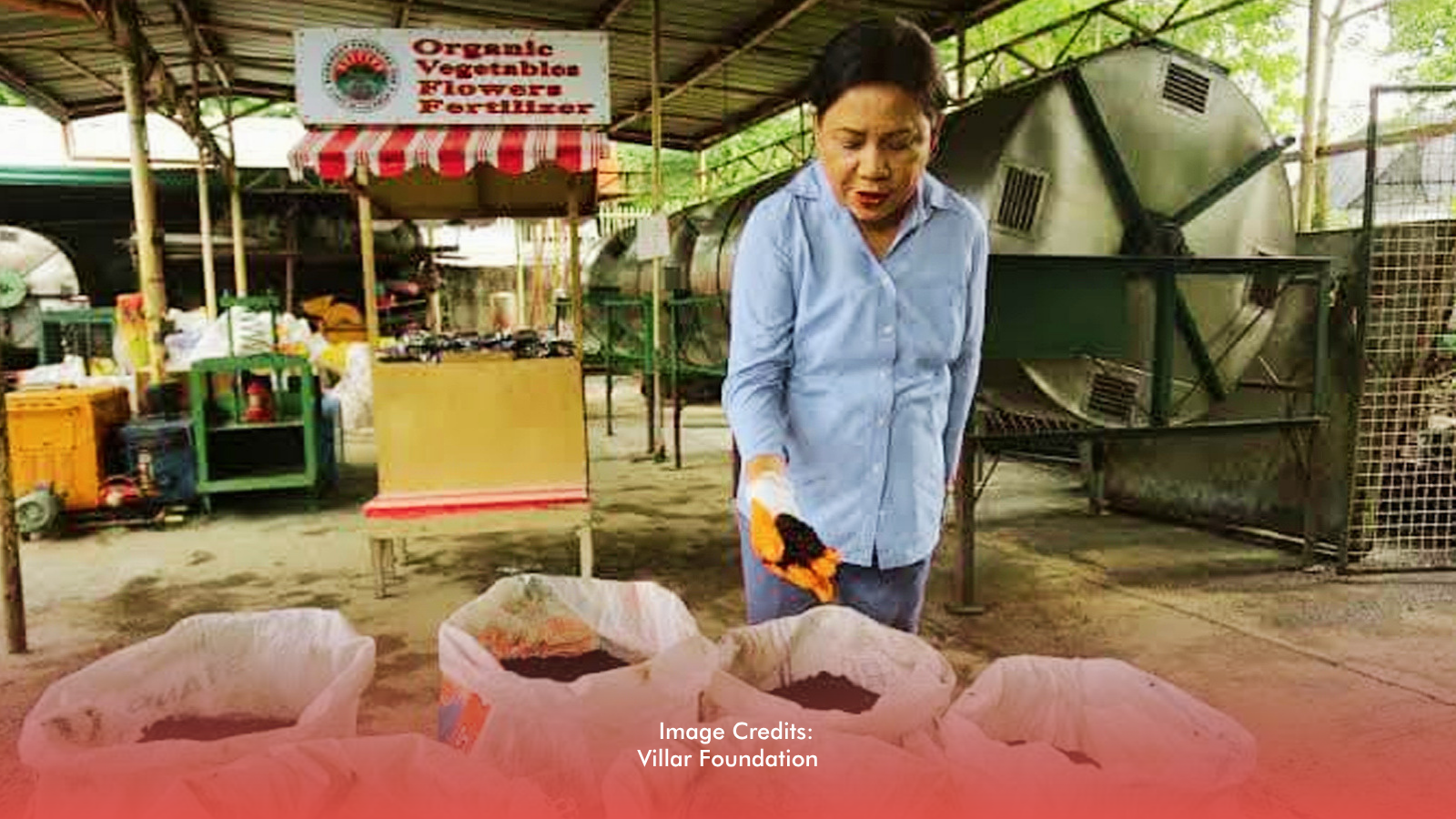
In the early 2000s, the Villar Foundation, led by then Congresswoman Cynthia Villar, initiated a waste-to-resource program tied to the rehabilitation of the Las Piñas–Zapote River. What began as a river cleanup and waste reduction effort evolved into a structured composting system that encouraged households to transform biodegradable waste into nutrient-rich fertilizer.
The approach proved both scalable and efficient. In Las Piñas City, the program expanded through the deployment of 73 composting machines across communities. These facilities collectively produced up to 73 tons of organic fertilizer every month, converting nearly half of the city’s biodegradable waste into productive agricultural input. The system also generated significant fiscal savings, reducing waste management costs by an estimated P300 million.
[RELATED: Las Piñas Kitchen Wastes Composting Project Named Among World's Top Environmental Innovations]
A Resilient Model for a Volatile Fertilizer Market
As global fertilizer markets become increasingly unpredictable, decentralized composting offers a compelling complement to imported inputs. It strengthens local resilience by converting readily available household waste into a usable agricultural resource, reducing dependence on external supply chains.
While it does not replace industrial fertilizers entirely, it enhances flexibility in the farming system, especially during periods of price spikes or supply delays. In this sense, the Las Piñas model demonstrates a quiet but powerful shift: resilience in agriculture can begin at the household level, turning everyday waste into a strategic resource for food security.