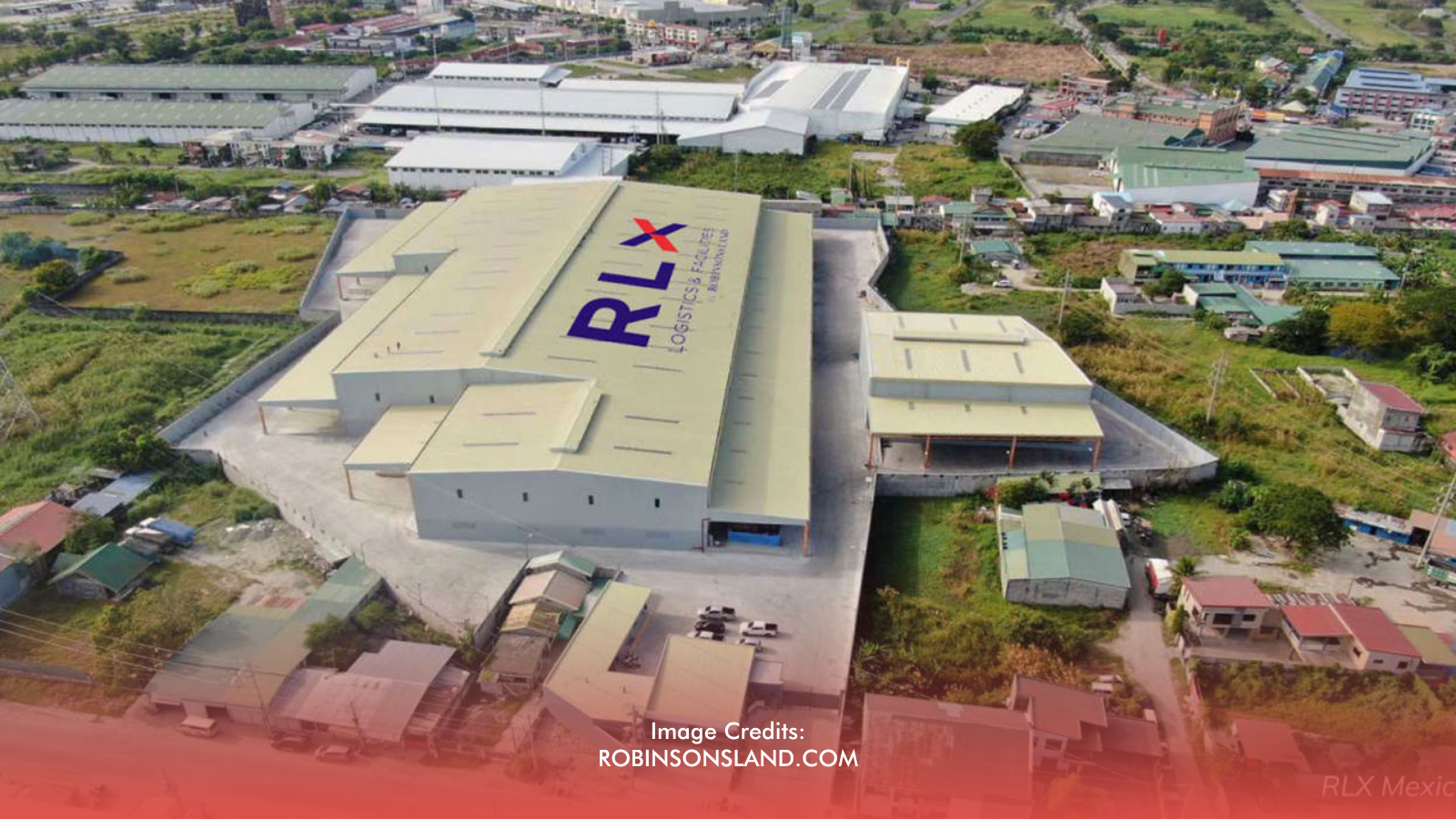
A joint venture led by Robinsons Land Corp. (RLC) has officially broken ground on a new build-to-suit logistics facility for global courier giant FedEx in Clark, Pampanga, marking another major expansion in the country’s fast-growing logistics sector.
The project is being developed through RL Clark Logistix Inc., a partnership between RLC’s logistics arm Robinsons Logistix and Industrials Inc. and Asian Infrastructure Holdings Corp. The facility will rise inside the Clark International Airport complex and is designed to support FedEx’s growing regional operations.
Spanning about 15 hectares, the development will feature a gross floor area of nearly 78,000 square meters once completed, with target completion set for the first quarter of 2028.
A Bigger Push for Clark as a Logistics Hub
The groundbreaking underscores Clark’s rising role as a key logistics and aviation gateway outside Metro Manila, with major investments continuing to pour into the area’s transport and industrial infrastructure.
FedEx said the expanded facility will enhance its ability to handle express, freight, and e-commerce shipments across its Asia-Pacific network, improving speed and connectivity for global trade flows.
For RLC, the project strengthens its push to expand its logistics and industrial portfolio under Robinsons Logistix and Industrials, a segment the company has been growing to diversify income beyond traditional property development.
Company officials said the collaboration reflects their long-term strategy of building modern, strategically located facilities that cater to global logistics demand while positioning the Philippines more competitively in regional supply chains.
Government Support and Long-Term Expansion Plans
The project is being implemented in coordination with key government and aviation stakeholders, including the Bases Conversion and Development Authority, Clark Development Corp., and the operator of Clark International Airport.
Officials who attended the May 19 groundbreaking highlighted the importance of logistics infrastructure in strengthening trade, investment, and economic growth, particularly as the Philippines continues to position itself as a key node in Asia-Pacific supply routes.