Samar has a city that doesn’t appear on any map.
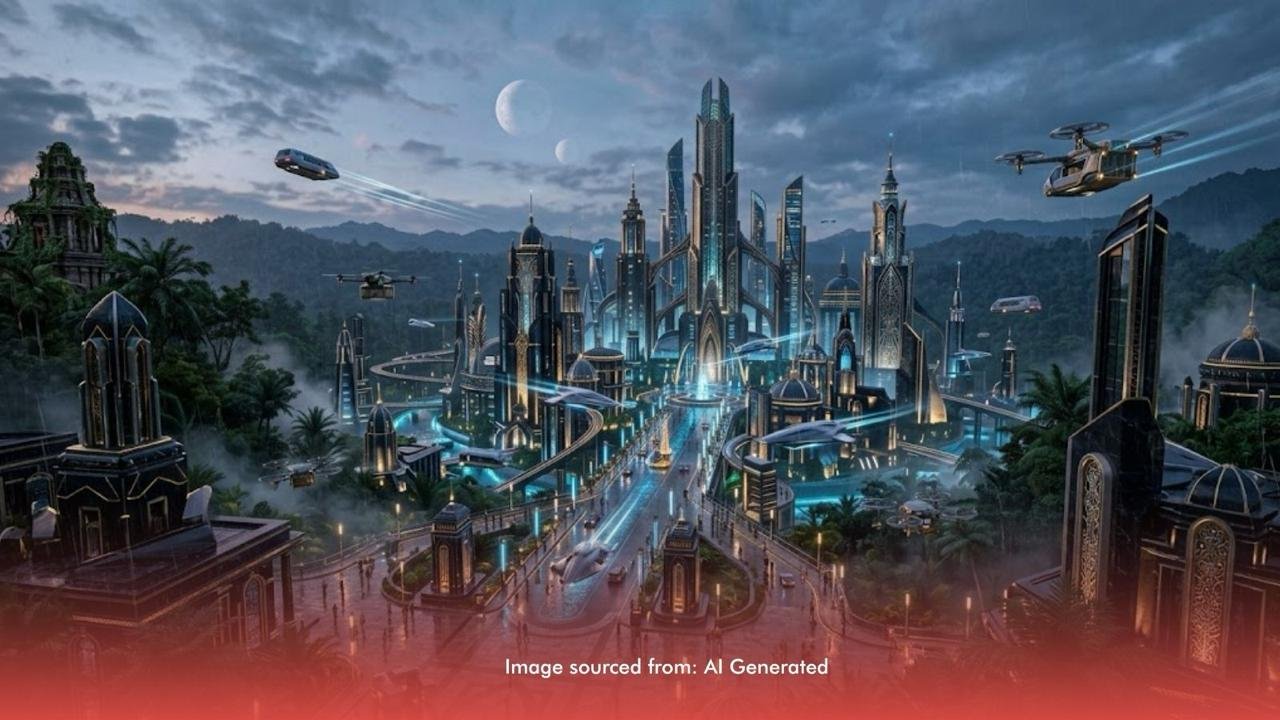
According to local lore, Biringan sits somewhere off a provincial road on the island’s western side. In the stories, it is far more modern than the towns around it, with towering black buildings, cathedral-like spires and even bullet trains.
Some fishermen say they have seen the city rise from the water at night. Drivers tell of roads suddenly closing behind them. Others claim they wandered into Biringan and somehow found themselves back where they started.
No physical evidence of the city has ever been produced. Still, Biringan remains one of Samar’s best-known legends.
What Is Biringan?
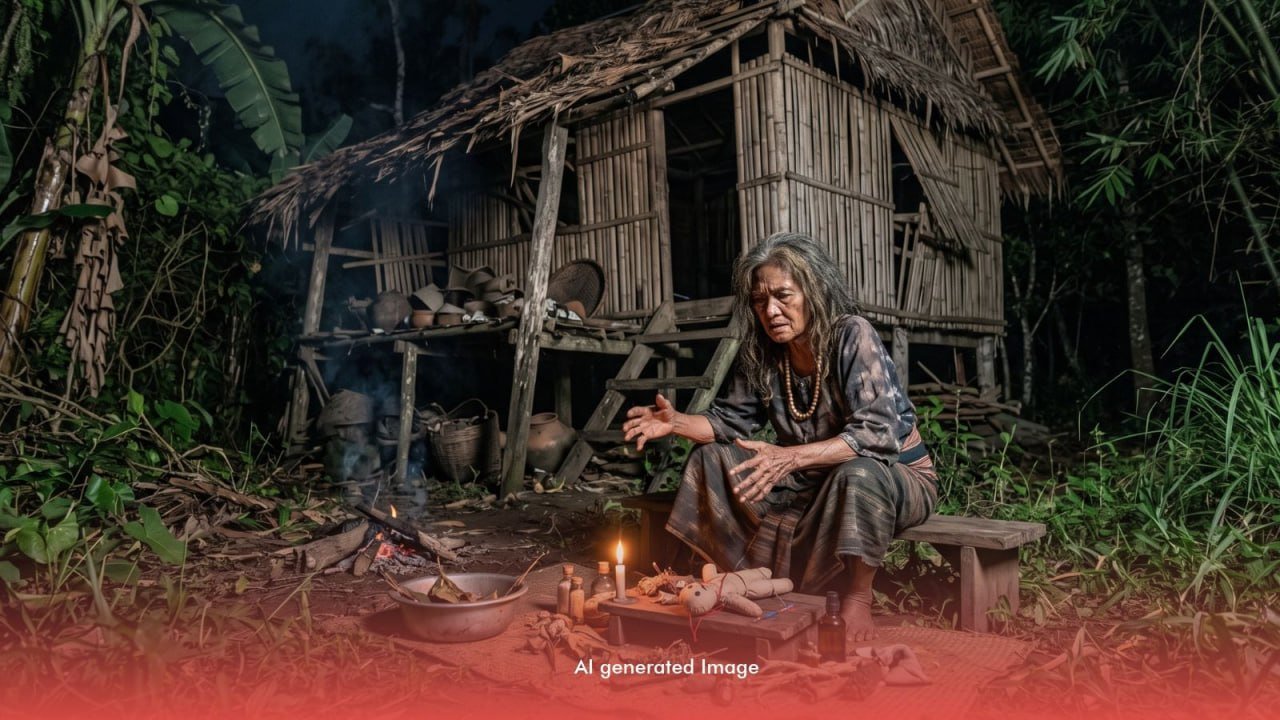
Biringan is said to be a hidden city inhabited by engkanto, enchanted beings in Philippine folk belief.
They look human, often described as fair and beautiful, but are believed to live in a world layered over ours. The city itself is invisible and appears only to people it chooses, whether through an invitation, a trance or by leading them away from a familiar road.
In Waray, stories like these fall under susumaton, from sumat, meaning “to tell.” The term covers everything from stories shared during gatherings to formal folktales, and Biringan has become one of the region’s most enduring examples.
Is Biringan Real?
There is no historical record or archaeological discovery confirming a physical city called Biringan. Folklore writers generally treat it as a regional legend, with one account tracing its earliest known tellings to around the 1960s.
The belief itself, however, is very real.
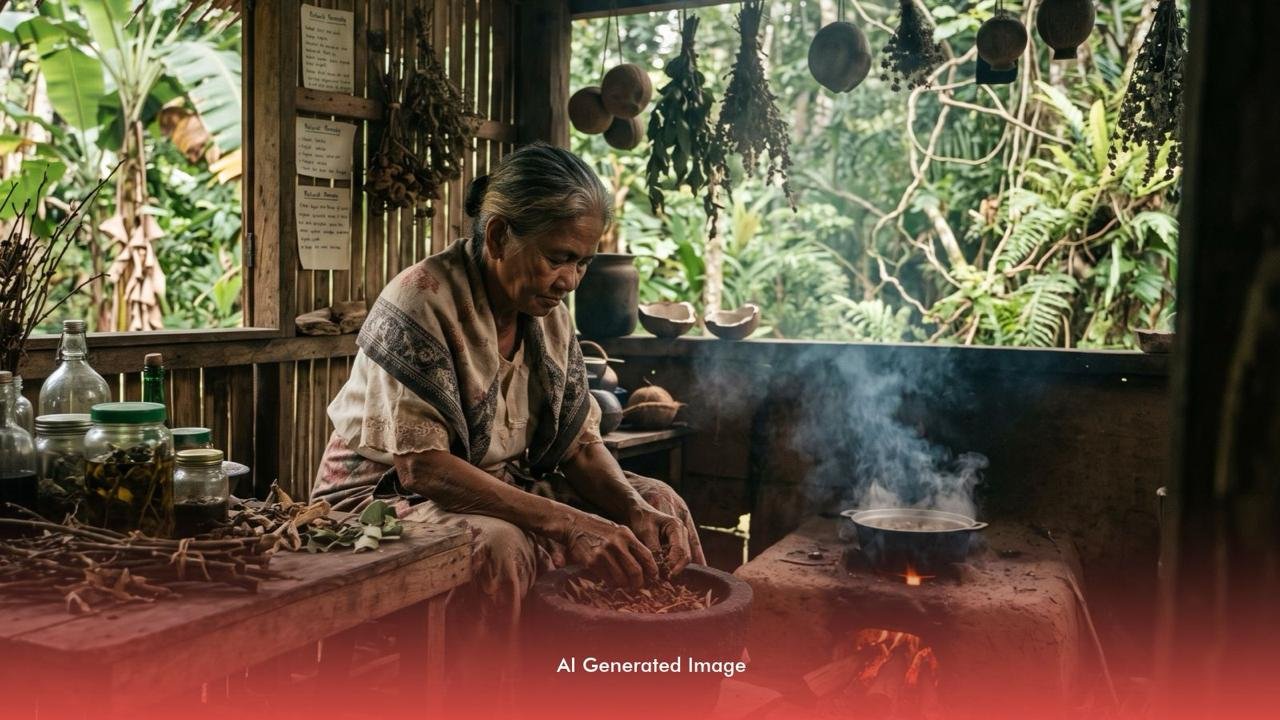
In 2025, Samar State University researchers interviewed 10 residents aged 50 and older in Pagsanghan, one of the communities associated with the legend. They described Biringan as a perfect place to live, a dangerous trap, a protector of the town, and even a source of healing.
Some residents also associated Biringan with the town being spared from COVID-19 deaths and conflict.
Interestingly, Biringan itself does not appear as an entry in Francisco Demetrio’s Encyclopedia of Philippine Folk Beliefs and Customs (1991), although the reference work documents older stories about engkanto palaces, ships and abductions. Demetrio’s earlier research also described engkanto homes that could appear to ordinary people as boulders, mounds, or balete trees.
Where Is Biringan?
Most versions place Biringan between Gandara, Tarangnan and Pagsanghan in Samar.
These are real communities on the western side of the island, near the Samar Sea and between Calbayog and Catbalogan. Pagsanghan is roughly 8 kilometers from Tarangnan and 11 kilometers from Gandara.
Some versions make Biringan much larger, stretching across parts of all three Samar provinces.
How Do You Get to Biringan?
The unsettling answer is: you don’t. Biringan finds you.
One common story says seven portals are scattered across Samar. A history and anthropology teacher at Samar State University has pointed to an old tree at the former Northwest Samar State University campus in Calbayog and two tall old trees in Pagsanghan.
Near these trees, boat passengers traveling between Gandara and Pagsanghan are sometimes told to remain completely silent.
Other stories tell of people getting lost, entering Biringan and later waking beneath the same trees as though from a dream.
Drivers are said to be pulled from familiar routes. Fishermen who disappear are sometimes believed to have been lured by calm waters filled with fish, only to find themselves drifting through Biringan’s strange sky.
There are also stories of businessmen disappearing after accepting deals that seemed too good to be true, or construction materials being delivered to addresses that supposedly exist only in Biringan.
In darker versions, when someone dies suddenly, believers say an engkanto may have fallen in love with them and taken them away. Some even claim the body left behind is a banana trunk enchanted to look like the dead.
Who Lives There?
Biringan is said to be home to engkanto, their children with humans, and the souls of people who were taken there.
Biringanons supposedly look almost completely human, except for one detail: they have no philtrum, the small groove between the nose and upper lip.
That missing groove also appears in some Visayan stories about the aswang. People claiming to be Biringanons have even created Facebook pages featuring faces with smooth upper lips.
In the stories, everything in Biringan is black, from clothing to food.
And then there are the love stories.
When a Biringanon falls for a human, the human supposedly becomes mysteriously ill, sometimes speaking to people no one else can see. If they die, their soul is said to join Biringan.
Whatever You Do, Don’t Eat
The most important rule in Biringan stories is simple: do not eat or drink anything there.
Residents interviewed by Samar State University researchers specifically mentioned black rice as one of the foods supposedly offered as a trap.
The idea is older than Biringan itself. In his 1968 study, Demetrio wrote that engkanto food was of excellent quality but contained no salt. In older Philippine folklore, food from the supernatural world often looks irresistible, but accepting it comes with a price.
Biringan takes that familiar Filipino invitation, kain tayo, and turns it into something sinister.
Accept the food, and you may never come home.
Why Does Biringan Look So Modern?
Biringan’s futuristic appearance may reflect the changing image of the supernatural world.
In his 1968 study, Demetrio described engkanto as fair, golden-haired, and blue-eyed, reflecting idealized images of Spaniards and Americans. Their world included ships, wharves, chariots and Cadillacs.
Later Biringan stories updated that image with high-rises, modern roads and bullet trains.
One story from the late 1980s or early 1990s tells of a Japanese company arriving with a satellite map showing a brightly lit city in the Samar forest.
A Samar State University teacher has suggested that people who “see” Biringan may also be imagining the progress their province has long been denied: better roads, electricity, investment, and modern infrastructure.
The legend has also entered popular culture. Director Chito Roño, who is from Calbayog, loosely based his 2009 horror film T2 on Biringan.
A more practical explanation has also been proposed for the glowing city fishermen sometimes report seeing at sea: light pillars, an atmospheric effect that can make distant lights appear as vertical columns. It remains only one possible explanation and has not been tested against the Samar accounts.
The Stories People Tell
The Bus: Two women offer a driver triple fare to a stop off the highway. After they leave, the road closes behind him. He later wakes with the bus perched on a ridge where no road could have taken it.
The Traffic: Two men on a motorcycle turn onto a familiar road and suddenly hear the noise of a busy city. Then everything goes silent.
Carolina: A Manila girl visits Samar and never returns. Her family later receives a letter saying she is happy in Biringan. Some say she became its princess.
The Shipment: A story from the 1960s claims expensive American construction equipment arrived at the Port of Tacloban addressed to Biringan. No one ever claimed it.
Before You Go
Biringan may be a legend, but the communities associated with it are real places where people live and work.
There is no Biringan marker, official tour, or confirmed site. Visit Gandara, Tarangnan and Pagsanghan with the same respect you would show anywhere else.
Ask before photographing old trees or places considered portals. If a boatman or elder asks for silence, respect it. And remember that beneath stories of Biringan are accounts of illness, disappearance, and grief.
Travel safely, especially on unfamiliar provincial roads after dark.
And if you ever find yourself between Gandara and Pagsanghan at night and hear traffic where there shouldn’t be any, keep driving.
Say tabi apoy.
And if someone invites you to dinner, politely say you’ve already eaten.