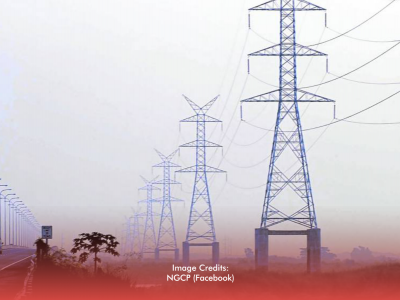
A bridge collapses, and in a story told around Argao in southern Cebu, some people already know whom to blame. Maria Cacao must have passed beneath it again. Her ship is simply too tall.
The bridge has its engineers and ordinary explanations. Maria has a mountain cave, a golden vessel, and a long history in Cebuano folklore.
Who Is Maria Cacao?
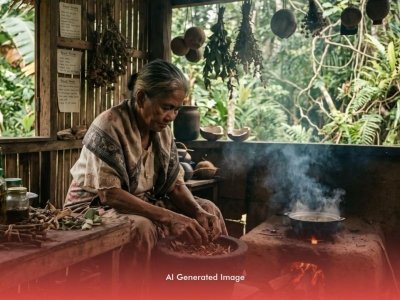
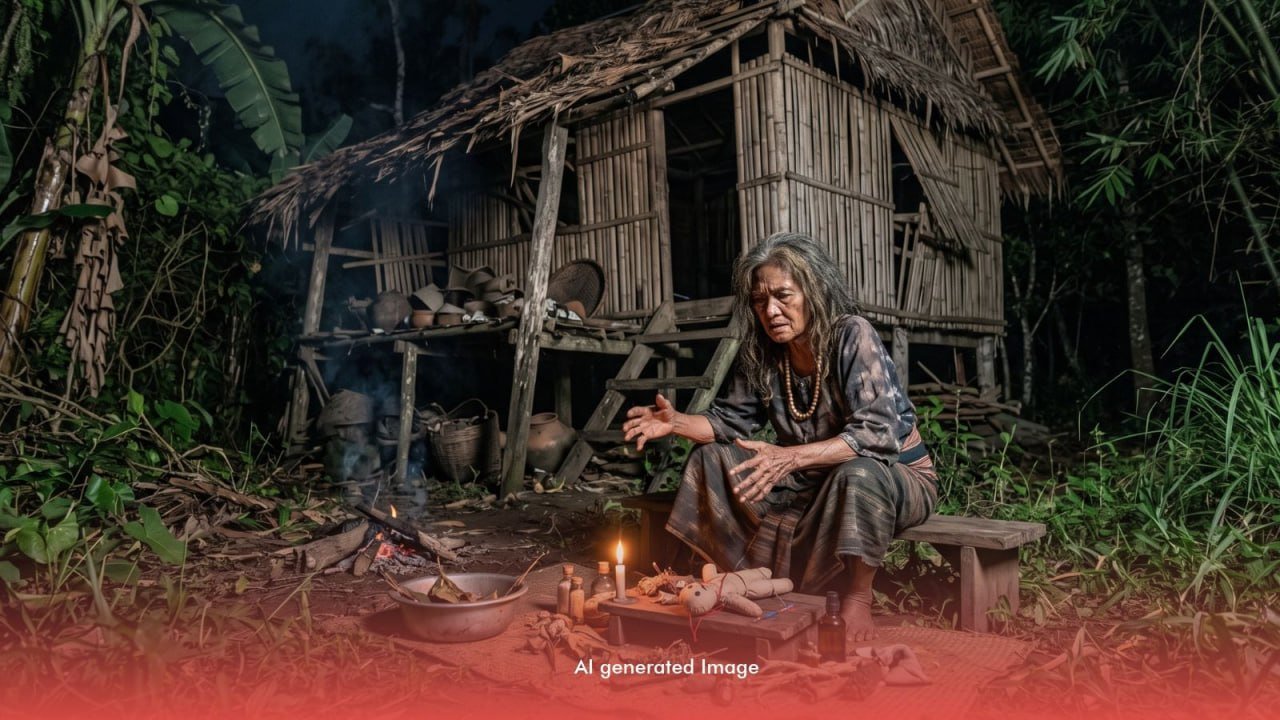
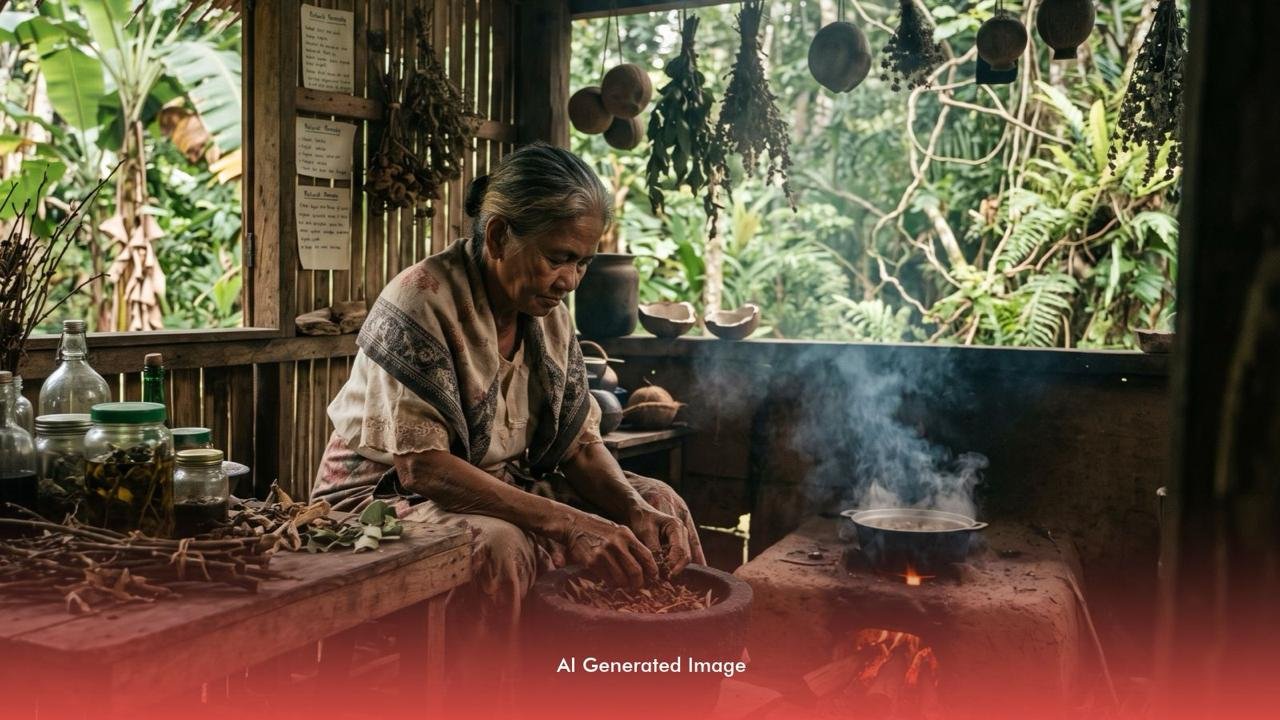
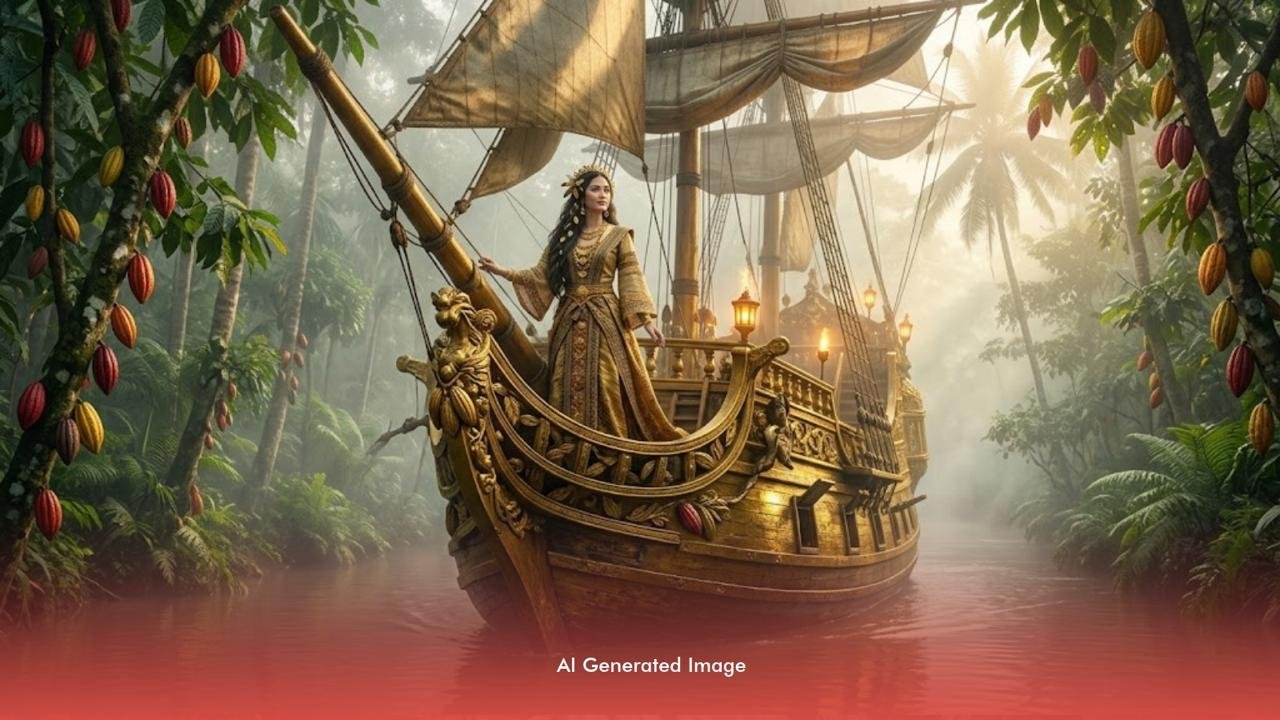
Maria Cacao is a supernatural woman associated with Mount Lantoy and its cave in Argao, Cebu. In familiar versions of the legend, she owns a vast cacao plantation and travels aboard a magnificent ship.
People visit her cave to borrow plates, pots, and other household items. She grants their requests, but the arrangement comes with an expectation: borrowed things must be returned.
That detail makes Maria unusual among Filipino supernatural figures. She has a plantation, merchandise, customers, and a lending policy. The trouble begins over something any neighbor would understand: people failing to return what they borrow.
What Does Her Golden Ship Do?
In one version of the legend, Maria sails overseas to trade cacao and returns with imported household goods. Her enormous ship travels along a waterway, sometimes passing beneath a bridge that cannot accommodate its size.
The bridge is repeatedly damaged whenever she passes. Eventually, Maria agrees to stop sailing beneath it, but her departure also marks the end of the easy access to her household goods.
The story connects a supernatural being to everyday concerns about trade, community relationships, and the places people use. It also offers a memorable explanation for a familiar landmark's supposed damage.
Accounts of the legend appear in Philippine folklore collections and discussions of Cebuano traditions, although details vary between tellings.
Why Does Maria Cacao Live at Mount Lantoy?
Mount Lantoy gives Maria's supernatural world a recognizable location. Like other legendary figures associated with mountains, she inhabits a place that people can identify on a map, even if the cave described in folklore cannot be verified as her actual home.
Folklore researchers Erlinda Kintanar Alburo and Koki Seki have studied the Maria Cacao legend. Seki's analysis explores how the story reflects local understandings of the environment, generosity, and supernatural beings described as dili ingon nato, or beings who are not like us.
Did you know? Maria Cacao's legend has been examined in academic research, not just retold in tourism materials. Researchers have explored what the story reveals about how communities understand their surroundings and their relationships with beings beyond the ordinary world.
The story's significance does not depend on every teller agreeing about the ship's route. Its connection to Mount Lantoy and Argao is part of what makes it distinctly Cebuano.
Is Maria Cacao the Same as Maria Makiling?
No. Both are commonly described as supernatural women or diwata associated with mountains, and their stories may involve generosity, rewards, or consequences for human behavior. However, they belong to different regional traditions.
Maria Makiling is associated with Mount Makiling in Laguna, while Maria Cacao is closely linked to Mount Lantoy in Cebu.
The details of Maria Cacao's story are important. Her cacao plantation, borrowed crockery, trading voyages, and oversized ship place the legend in a world shaped by household needs, commerce, and exchanges between neighbors.
Treating the two figures as interchangeable mountain spirits overlooks the local history and cultural details that distinguish their legends.
Is the Legend True?
There is no credible evidence that a supernatural ship caused bridges to collapse or that Maria Cacao's cave contains a hidden plantation filled with magical goods.
However, the existence of the legend as part of Cebuano folklore is documented. A story can be studied as a cultural tradition without treating every event in it as historical fact.
The more useful questions concern the world behind the tale. How did trade and imported goods influence the story? Which versions do residents of Argao remember? How has the legend changed as it has been passed between generations?
Answering these questions requires folklore research, local historical records, and conversations with community members who know the tradition.
Legends of Maria Cacao
- The borrowed dishes: Neighbors receive household items from Maria, but the arrangement depends on their returning what they borrow.
- The golden ship: Maria travels on an extraordinary vessel associated with her cacao trade and overseas journeys.
- The damaged bridge: The ship's enormous size supposedly explains repeated damage to a bridge along its route.
These are recurring elements of the legend, although individual tellings may differ.
Before You Visit
Mount Lantoy and the surrounding area are both natural landscapes and places connected to local cultural traditions. Check current access arrangements with local authorities or guides before visiting. Do not enter caves without permission, appropriate safety support, and reliable information about conditions.
If speaking with residents about the legend, ask permission before recording them and be clear about how their accounts will be used. Local tellings may differ, and those differences are part of the tradition rather than errors that need to be corrected.
Maria Cacao's legend has survived through stories about a mountain, a ship, and household goods that people could borrow. The mountain still has a place on the map. The dishes, according to the tale, are no longer available.