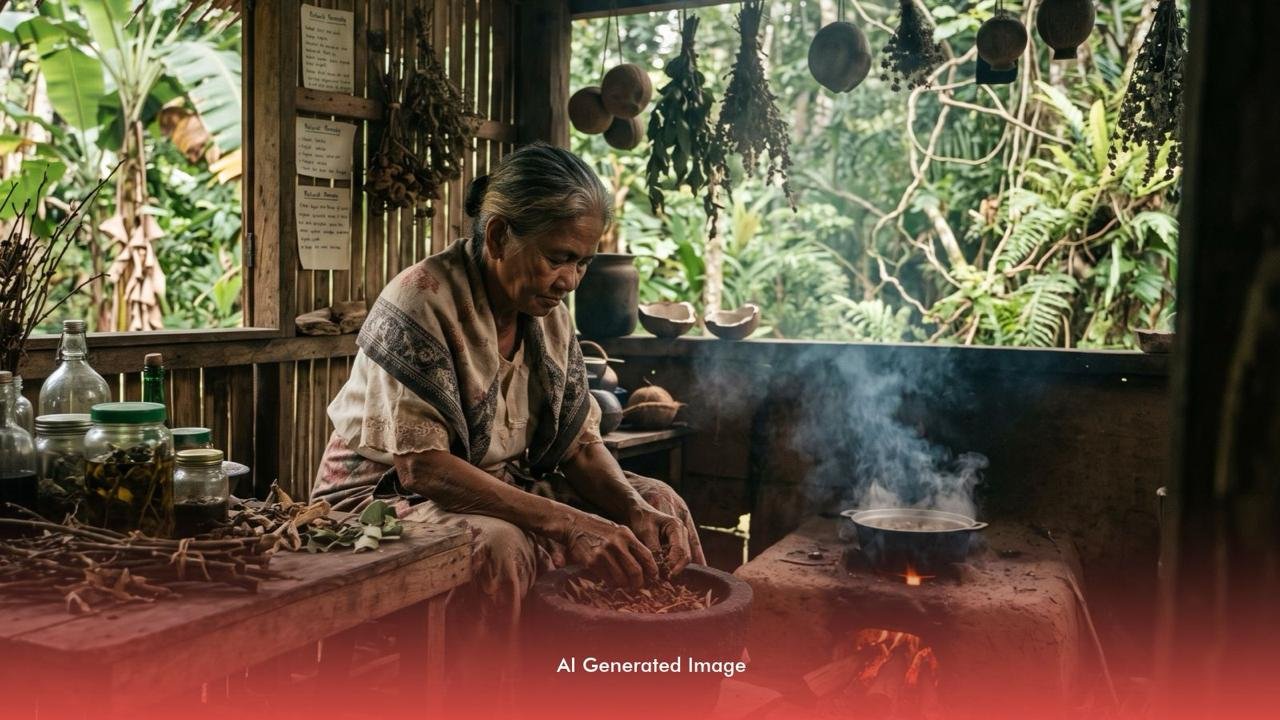
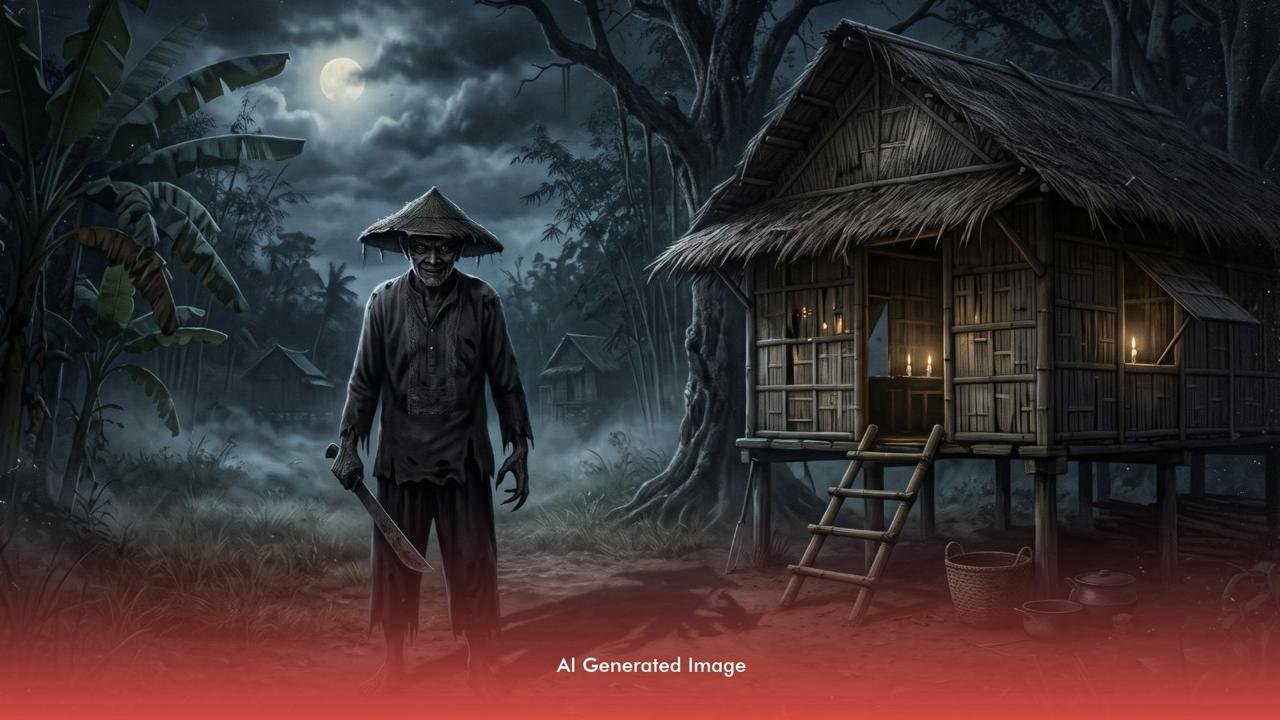
Imagine being invited to a friend's home in the province, welcomed by the family, and given a place to sleep. Everything seems ordinary until you overhear a chilling conversation: the people hosting you are supposedly planning to kill you.
In the story, your survival depends on one clever move: changing clothes with someone else in the household. The tale is widely associated with Teniente Gimo of Dueñas, Iloilo, and has been retold as a frightening example of how danger can hide behind familiar faces.
But beneath the supernatural horror lies a question worth investigating: how much of the story can be traced to documented history, and how much belongs to folklore?
What Is the Legend of Teniente Gimo?
The best-known version places Teniente Gimo in Dueñas, Iloilo, where he is portrayed as the head of a family believed to be aswang.
In the story, a young woman visits a friend and stays overnight at the family's home. During her visit, she discovers that the household supposedly intends to kill her. Realizing she is in danger, she switches clothes with her host's daughter or changes the expected sleeping arrangement.
When the attackers act on their mistaken identification, the wrong person is killed, allowing the intended victim to escape.
Details differ depending on who tells the story. The relationships between the characters and the events that follow may change, but the central elements remain: a welcoming household, a hidden threat, and a clever escape made possible by a clothing switch.
Was Teniente Gimo a Real Person?
Although the name appears in popular retellings of Philippine folklore, that alone does not establish that Teniente Gimo was a historical individual who committed the acts described in the legend.
The title teniente was historically used for several official and community roles, but the title itself does not verify the identity or actions of the person in the story.
Establishing whether a real individual inspired the legend would require reliable historical records or independently corroborated accounts. Repeated claims on horror websites, television programs, and social media are not enough to establish a person's identity or criminal history.
The legend should also not be used to accuse actual families or residents of Dueñas of being aswang or descendants of alleged killers. Those claims are not established facts about the community.
Why Is the Story So Frightening?
Many supernatural stories place danger in remote forests, dark caves, or unfamiliar places. The Teniente Gimo legend brings the threat into an ordinary home.
The visitor trusts the person who invites her. A meal becomes suspicious, a bedroom becomes dangerous, and the people expected to offer protection are portrayed as the ones she must escape.
The clothing switch gives the story its memorable twist. Instead of defeating the supposed attackers through physical strength or supernatural powers, the visitor survives by paying attention and thinking quickly.
Did You Know?
The clothing-switch plot is a storytelling device found in cautionary tales across different cultures. Characters sometimes escape danger by disguising themselves, exchanging identities, or tricking an attacker into targeting the wrong person. This similarity does not prove that the Teniente Gimo legend originated elsewhere.
Why Is the Legend Associated With Dueñas, Iloilo?
Dueñas has become closely associated with the Teniente Gimo story in popular accounts of Philippine supernatural folklore.
Some online retellings connect the legend to broader claims about aswang in Iloilo and neighboring Capiz. However, these stories are not evidence that supernatural creatures exist or that actual communities harbor families of monsters.
Understanding the legend's local history would require comparing older published versions, oral histories, and accounts from residents willing to share how they learned the story. Such research could reveal how the narrative changed across generations and which details remained consistent.
How Did Teniente Gimo Become a National Urban Legend?
Philippine supernatural stories have circulated through family gatherings, oral storytelling, radio, print, television, and film. The Teniente Gimo tale is particularly memorable because its plot is easy to retell and its ending delivers a shocking reversal.
As the story reached wider audiences, different versions emerged. Some emphasized the alleged aswang family's gruesome activities, while others focused on the visitor's escape.
However, a story appearing in several programs or online articles does not automatically mean that independent sources have confirmed its events. Understanding how the legend spread means asking who told each version, when it was recorded, and whether its historical claims can be verified.
Did a Murder Like This Really Happen?
No reliable historical documentation identified for this article establishes that the central killing in the Teniente Gimo legend occurred as described.
That does not mean the story lacks cultural significance. Folklore can reveal how communities express fears, pass on warnings, and explore ideas about trust, danger, and survival.
Without corroborating evidence, however, the tale should be described as a legend rather than a verified murder case. Its supernatural narrative should not be used to make accusations against real people or families.
The Legend Behind the Fear
The Teniente Gimo story endures because it turns an ordinary visit into a nightmare. A trip to a friend's home becomes a fight for survival, and a small act of quick thinking changes the outcome.
Whether told during family gatherings or repeated in modern horror features, the legend remains part of the wider collection of Philippine aswang stories.
But its chilling reputation should not be confused with proof of a real crime or supernatural activity. The mystery worth exploring is how the tale developed, how it spread, and wha
t its different versions reveal about the way folklore passes from one generation to the next.