
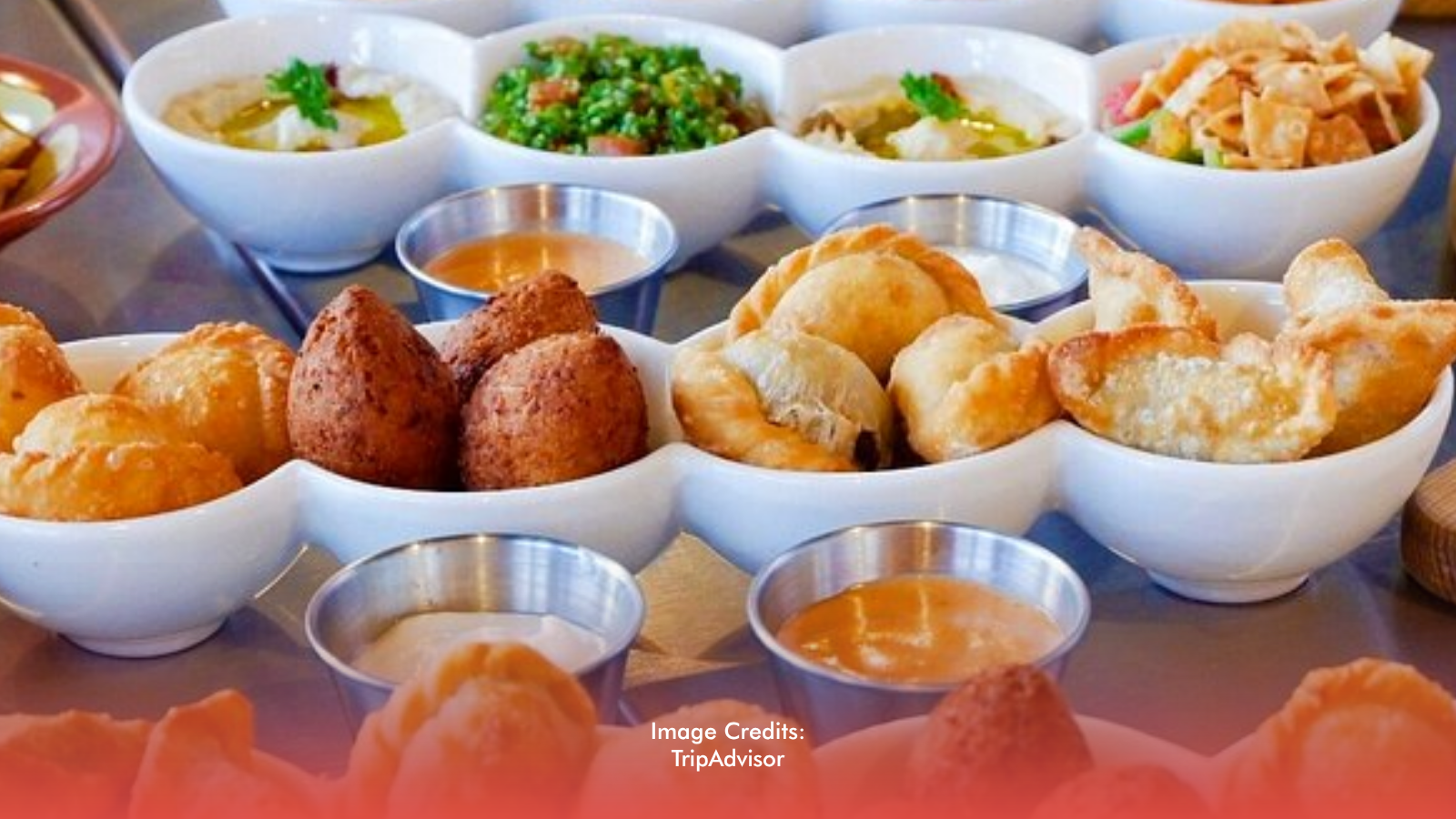
Cebu City could see more food establishments offering halal choices as a proposed measure seeks to make dining more accessible to Muslim consumers while supporting the city’s tourism and business sectors.
Cebu City Councilor Paul Labra has filed a resolution encouraging restaurants, hotels, malls, and other food establishments to voluntarily offer halal-certified or halal-compliant food and beverages. The proposal does not require businesses to provide halal options, allowing establishments to participate based on their operational capacity.
RELATED: [Cebu at 457: A History Still Alive]
Expanding Halal Choices
Under the proposal, participating businesses would still need to follow existing food safety regulations and official halal certification standards. Halal food refers to items prepared, processed, handled, and served according to Islamic law.
The measure also encourages establishments to identify halal products clearly on their menus, making it easier for Muslim customers to determine which food choices meet their dietary requirements.
Businesses are likewise encouraged to coordinate with Muslim community representatives and certified halal regulatory bodies on proper preparation, handling and promotion of halal products.
“Cebu City continues to welcome domestic and international visitors, including tourists from Muslim-majority countries such as Malaysia and Indonesia, thereby creating a growing need for establishments that are responsive to diverse cultural and religious practices and dietary requirements,” the resolution stated.
Beyond food, the proposal encourages establishments to consider providing prayer spaces for Muslim customers and employees. Labra also cited potential economic gains, as halal-friendly businesses could serve a broader customer base and help strengthen Cebu City’s appeal for tourism, business and investment.
Support for Cebu’s Muslim Community
The proposed policy comes alongside efforts to improve services available to Muslims in Cebu. During an Eid al-Adha gathering at the Cebu Provincial Capitol earlier this year, Arlene Sanoh-Salahuddin, consultant and spokesman for the Salaam Police Advocacy Group in Central Visayas, said Muslim leaders were pursuing better access to Muslim-friendly services in hospitals and discussing the possible establishment of a Muslim Affairs office in Cebu province.
Sanoh-Salahuddin noted that some hospitals still did not have food options appropriate for Muslim patients and visitors. She also pointed to initiatives involving Muslim burial procedures and government documentation.
She estimated that about 26,000 Muslims live in Cebu, although registration and documentation efforts are still underway to establish more accurate population data.
For Cebu, wider access to halal food and other Muslim-friendly services could make everyday transactions easier for Muslim residents while giving businesses opportunities to welcome more visitors from diverse backgrounds. If adopted, the measure could also support Cebu’s goal of becoming a more inclusive tourism and investment destination.
Labra’s resolution still has to go through the formal legislative process of the Cebu City Council before it can take effect. If approved, it would encourage businesses throughout the city to increase halal food choices and consider additional accommodations for Muslim consumers.
RELATED: [Cebu, Bohol Set to Seal SugBohol Sisterhood Partnership]