
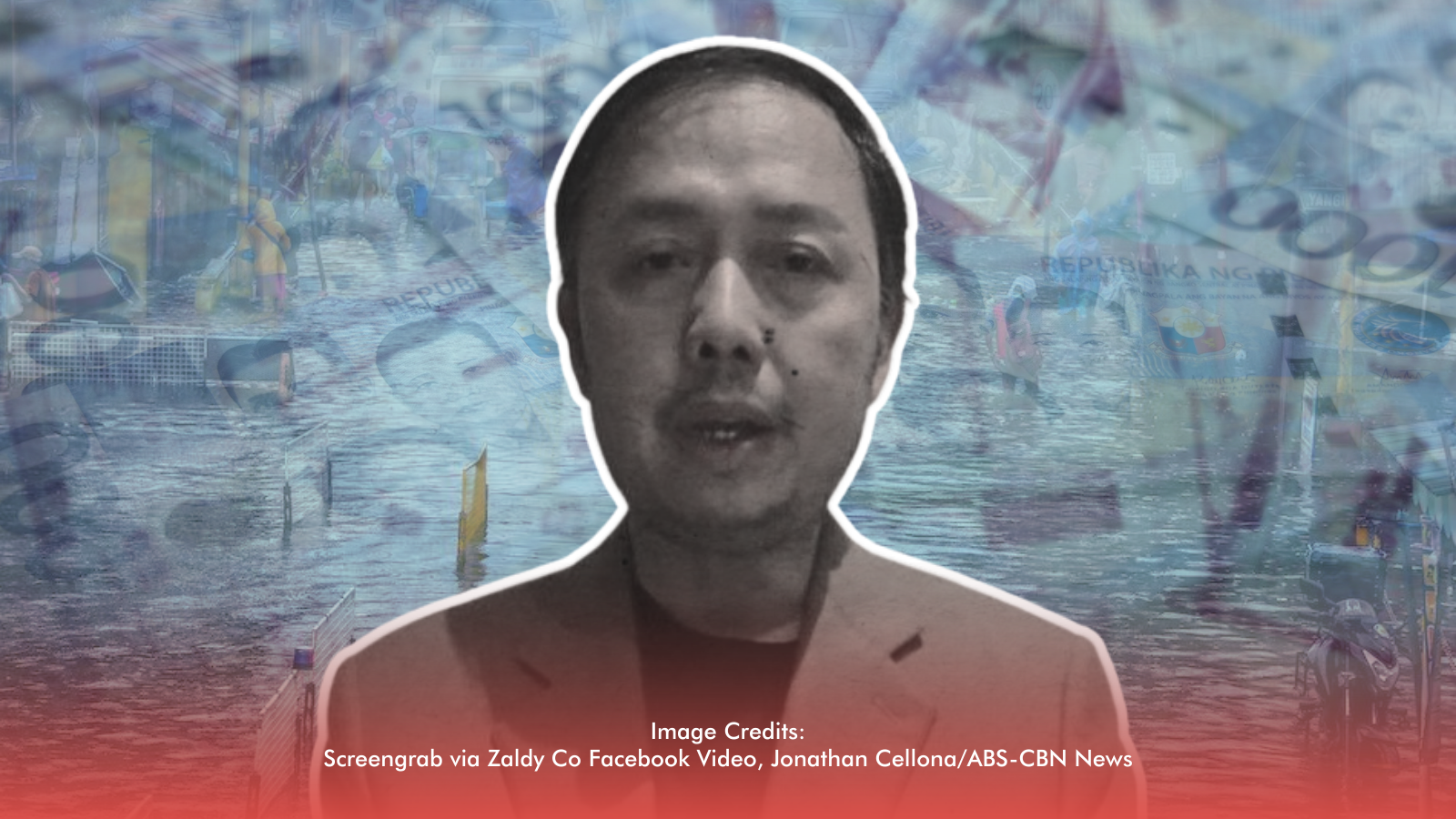
Despite arrest warrants, passport cancellation, and talk of an international manhunt, former Ako Bicol party-list congressman Zaldy Co remains outside the Philippines. His continued absence has raised a bigger question: can the government realistically force powerful corruption suspects to return and recover the money they allegedly took?
At the center of the issue is not just one fugitive, but the limits of the country’s anti-corruption system once a suspect leaves Philippine jurisdiction.
Beyond Reach
Zaldy Co is facing multiple graft and malversation charges linked to allegedly anomalous flood control projects worth billions of pesos. The Sandiganbayan has issued warrants for his arrest, and authorities have confirmed that he left the country before legal actions fully caught up with him.
Once a suspect flees abroad, local law enforcement power weakens significantly. Philippine courts can issue warrants, but they cannot enforce arrests beyond national borders without international cooperation.
The Red Notice
The government has already coordinated with Interpol. However, this is often misunderstood by the public. An Interpol red notice is not an international arrest warrant. It is a request for member countries to help locate and provisionally arrest a person, subject to each country’s own laws.
This explains why Interpol asked Philippine authorities for additional information before moving forward. Even with a red notice, a suspect’s arrest still depends on whether the host country recognizes and acts on it.
Extradition Is a Long and Uncertain Process
Even if Zaldy Co is located, extradition is far from automatic. It depends on existing treaties between the Philippines and the country where he is staying. The process can take years and may involve lengthy court challenges.
This gap between public expectation and legal reality is why government optimism often clashes with slow progress on the ground.
The Bigger Problem: Recovering the Money
The Ombudsman has ordered Co to return billions in alleged stolen funds, but his camp has rejected restitution outright. This highlights a deeper issue: recovering assets is often harder than filing cases.
Once money is moved, hidden, or invested abroad, tracking and seizing it becomes complex. Arresting a suspect does not guarantee the return of public funds, especially when cooperation is refused.
Why This Case Exposes Systemic Weaknesses
The Zaldy Co case shows how anti-corruption efforts lose strength when suspects escape early. International coordination is slow, asset recovery mechanisms are limited, and affected communities are left waiting.
In this case, the alleged misuse of flood control funds carries real consequences. Delayed or unfinished projects mean continued flooding risks, especially for vulnerable areas.
This case is no longer just about whether Zaldy Co will return. It has become a test of whether the Philippine justice system can hold powerful figures accountable beyond its borders and whether stolen public money can ever truly be recovered once it disappears overseas.