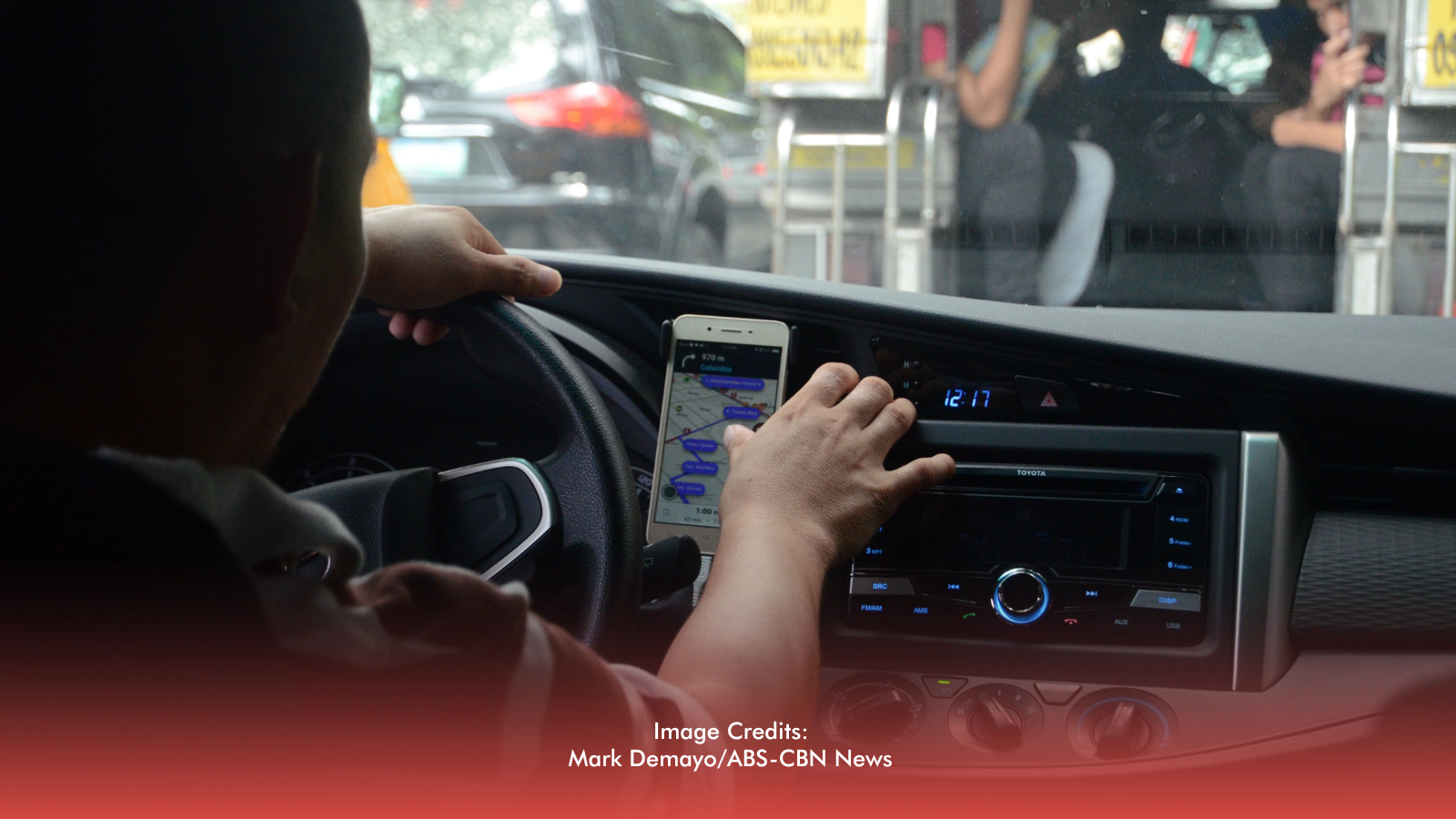
Ride-hailing commuters will see a change in how fares are computed this holiday season as the Land Transportation Franchising and Regulatory Board (LTFRB) adjusts pricing rules amid heavier traffic and longer travel times. The policy shift is meant to reflect the realities drivers face during peak periods, particularly as Metro Manila roads slow down during the Christmas rush.
Under a memorandum circular dated Dec. 17, 2025, the LTFRB approved a fixed pick-up fare system for Transport Network Vehicle Services (TNVS), allowing drivers to charge for the distance traveled from their location to the passenger’s pick-up point. Previously, fares only started once the passenger was already on board.
RELATED: [Call To Regulate Motorcycle Taxis Gains Traction]
How the Fixed Pick-Up Fare Works
LTFRB Chairman Vigor Mendoza II explained that the pick-up charge will be capped within a five-kilometer radius and computed at a fixed rate per kilometer. The rate will vary depending on the vehicle category, whether subcompact, sedan, AUV or SUV, or premium units. This pick-up fare will be added to the regular fare from the pick-up location to the final destination.
The new fare system will take effect on Dec. 20 and will remain in place until Jan. 4, 2026, coinciding with the LTFRB directive that reduces surge pricing caps by 50 percent. According to Mendoza, the measure aims to cushion the impact of lower surge pricing on drivers while maintaining fare transparency for passengers.
“We are implementing this measure as an acceptable and justified solution to balance the impact of the surge pricing reduction,” Mendoza said.
Balancing Holiday Traffic and Driver Compensation
The LTFRB cited congestion data to support the policy. A Metropolitan Manila Development Authority report showed that vehicle speeds along EDSA can drop to as low as 1 kilometer per hour during peak hours, far below the usual 17 to 20 kilometers per hour. Meanwhile, a House of Representatives report found that traveling 10 kilometers in Metro Manila takes more than 25 minutes, extending even longer during morning and evening rush hours.
To ensure drivers benefit directly, the memorandum also prohibits transport network companies from taking a share of the fixed pick-up fare. This follows an earlier LTFRB order barring platforms from collecting a cut from surge pricing.
For the average Filipino commuter, the policy may mean slightly higher booking costs during the holidays, but it also aims to improve ride availability during the busiest travel period of the year. More broadly, the move highlights how worsening traffic conditions continue to shape everyday transportation decisions and underscores the challenge of balancing affordability, fairness for drivers, and mobility needs across the country.