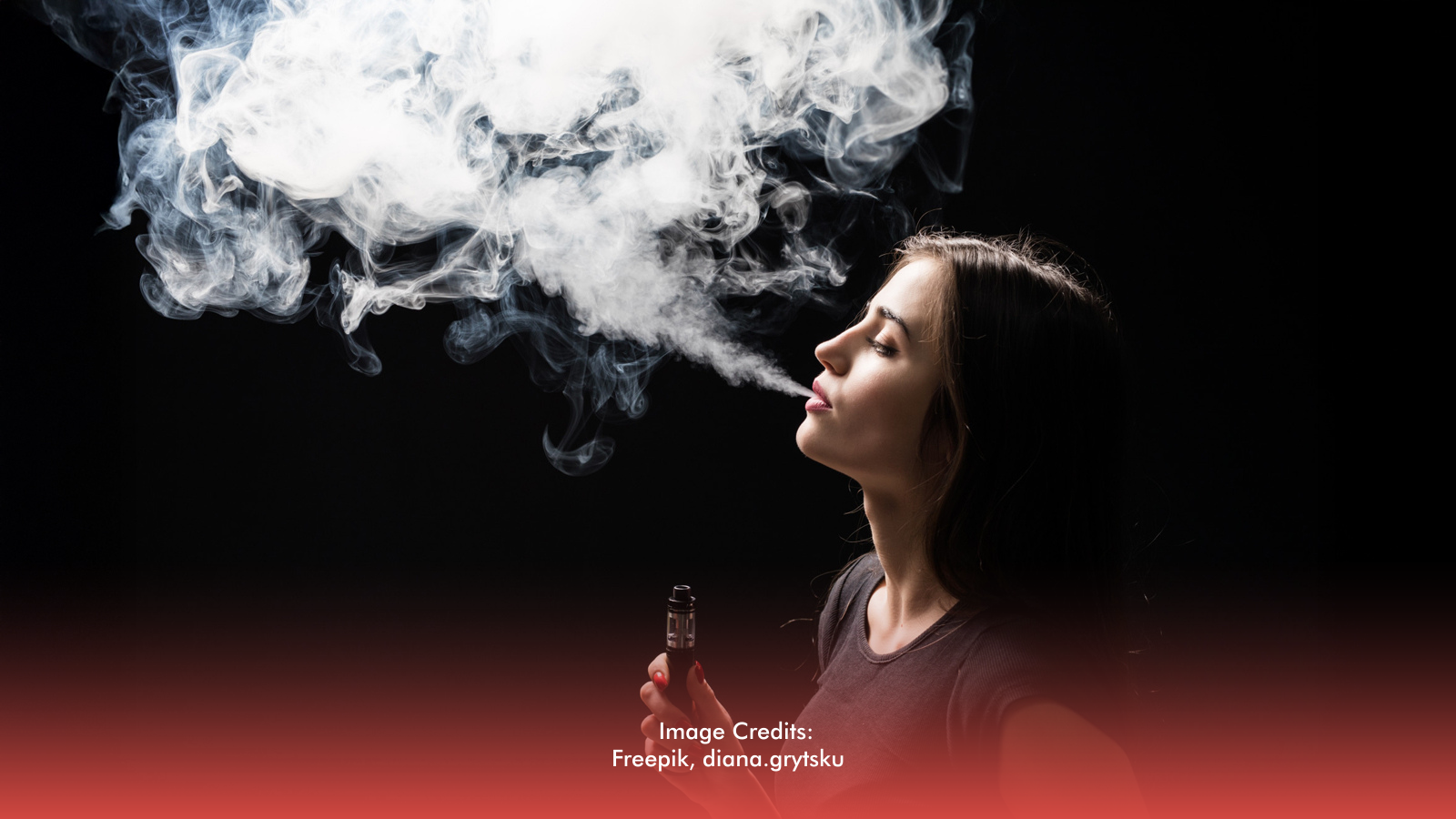
Public health advocates renewed calls for a total ban on electronic cigarettes, heated tobacco products (HTPs), and other nicotine delivery systems, warning that the Philippines is falling behind Southeast Asian neighbors in protecting public health from the growing “vapedemic.”
ASEAN Neighbors Move Ahead with Vape Bans
The call gained momentum after Myanmar became the eighth member of the Association of Southeast Asian Nations(ASEAN) to implement a comprehensive vape ban. Health groups said comprehensive prohibitions are already enforced in Brunei, Cambodia, Laos, Singapore, Thailand, Timor-Leste, and Vietnam, while Philippine lawmakers continue debating tax proposals for tobacco and vape products.
Youth Vaping Rates and Health Risks Cited
Former Health Secretary Dr. Jaime Galvez Tan said higher and uniform taxes are not enough to control consumption. He cited data showing about 14 percent, or 1.21 million Filipino youths, and 2 percent, or 1.63 million adults, use e-cigarettes. Around 70 percent of youth users believe e-cigarettes are less harmful than traditional cigarettes, while nearly half said they use them to quit smoking. In 2024, the country recorded its first death linked to E-cigarette or Vaping Use-Associated Lung Injury (EVALI), involving a 22-year-old male with two years of vape use.
Global Commitments and Government Action
Health advocates also cited the Philippines’ obligations under the World Health Organization Framework Convention on Tobacco Control, which encourages stronger regulatory measures beyond minimum standards. The Department of Health previously called for a nationwide vape ban, citing links to cardiovascular disease, cancer, and respiratory illnesses. Advocates said a comprehensive ban would help curb illicit trade while strengthening overall public health protection.