
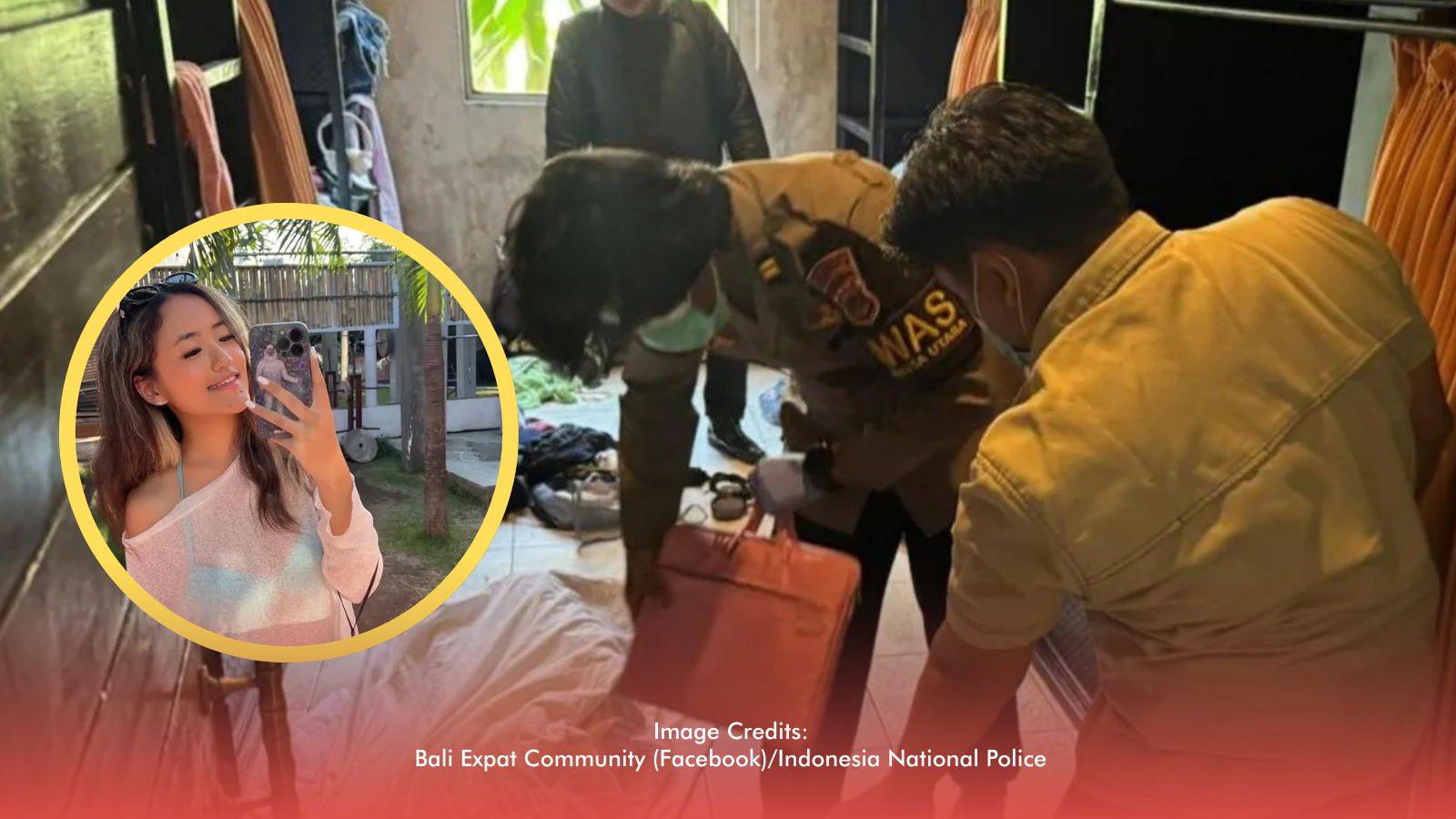
More than two months after a mass illness at a Canggu hostel left a 25-year-old Chinese tourist dead and dozens hospitalized, the incident continues to raise alarming questions about the safety of Bali’s budget accommodation sector.
A Budget Stay That Turned Deadly
On August 31, guests at the Clandestino Hostel sat down for a communal dinner. Hours later, travelers were vomiting, fainting, and running high fevers. By the next day, more than 20 guests were sick and at least ten were in critical condition.
Among them was Deqing Zhuoga, known as Miss Y, who was found unresponsive in her bunk on September 2. Her roommate, Leila Li—who had already been rushed to the ICU—said she begged hostel staff for help. “I asked for a doctor for Miss Y,” she recalled. “I messaged her from the hospital, but she never replied.”
Medical examiners cited acute gastroenteritis and hypovolemic shock, but the source of the contamination remains unknown.
Mixed Accounts and Delayed Action
Official findings so far have been inconclusive, with authorities saying tests did not detect pesticides or methanol. Yet guest accounts contradict the clean bill of safety. Travelers reported that the hostel continued accepting new check-ins even as others were being transported to hospitals. Some who didn’t eat the communal dinner still fell severely ill, casting doubt on food as the sole culprit.
Survivors describe hours without assistance, including one guest who fainted in a bathroom and stayed on the floor until morning because no one responded. Months before the incident, online reviews had already flagged bed bug infestations and questionable hygiene. Li also said Miss Y mentioned that fumigation had taken place shortly before the outbreak—something several doctors reportedly suspected may have contributed, though never confirmed.
A Warning Hidden in Reviews
The hostel’s digital trail shows that these issues weren’t new. Reviews from as early as June mentioned pests, poor sanitation, and staff downplaying concerns. After the September incident, the hostel disabled comments and blocked new reviews, prompting further criticism from past guests who accuse the venue of minimizing the severity of what happened.
Some travelers who stayed there weeks later also reported falling ill and needing medical treatment, including one woman who collapsed and said she was billed for the bed she couldn’t use while she was in intensive care. “I almost died,” she said. “And they didn’t even apologize.”
Beyond Methanol and Motorbikes
Bali tourism is no stranger to safety risks, but this case highlights a lesser-acknowledged danger: the hidden hazards of cheap accommodations where safety protocols are lax, hygiene is inconsistent, and oversight is nearly nonexistent.
A hostel with a documented pest problem, alleged fumigation, possible food contamination, and slow emergency response isn’t just a bad deal—it’s a life-threatening risk.
Two months later, the core questions remain unanswered: how more than 20 backpackers became violently ill inside one hostel, why no warnings were issued, and why basic emergency procedures seemed absent.
What happened in Canggu was not a random tragedy. It was a preventable failure—one that shows the fatal side of cheaping out on travel accommodations.