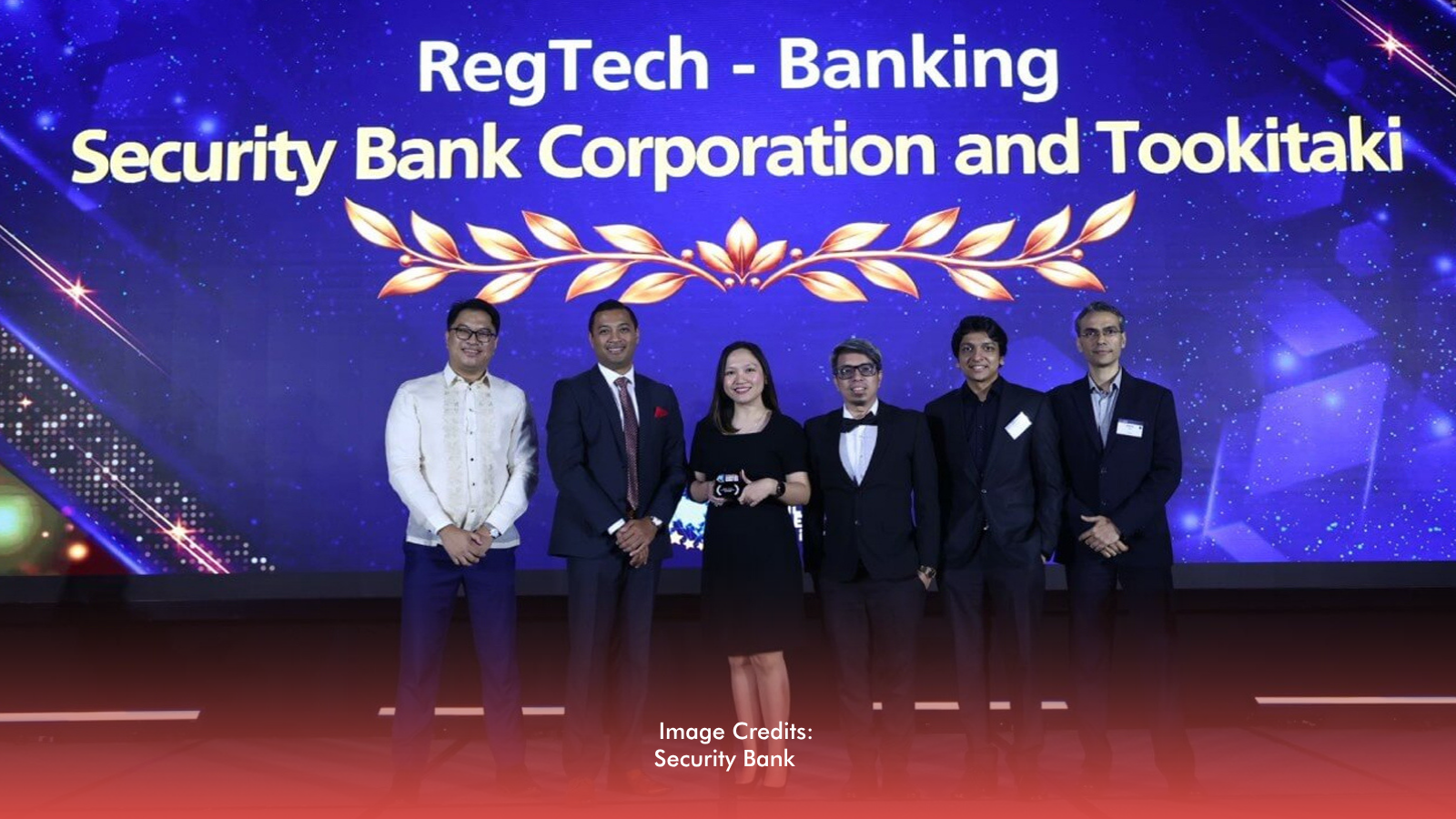
Security Bank Corp. has expanded its financial crime screening coverage tenfold through an artificial intelligence (AI) system designed to identify potential matches against sanctions lists and other watchlists.
The bank uses FinCense Screening, a platform developed by financial technology firm Tookitaki, to screen customers and their related contacts. The system can identify possible matches even when names have different spellings, word orders, or variations, addressing a challenge in the Philippines, where naming conventions can make exact-name matching less reliable.
Traditional screening systems that depend heavily on identical name matches may overlook potential matches when names are spelled or arranged differently. By accounting for these variations, the AI-powered platform aims to improve the identification of individuals who may require further review.
The system flags possible matches for human investigators rather than making final determinations. According to Security Bank’s head of financial crime compliance, Daniel Ang, the platform is scalable, helping it distinguish genuine matches from false positives, while being able to support transparent, auditable decisions.
Security Bank said the upgrade extended screening to 100% of related contacts and significantly increased the number of confirmed matches identified each month. However, the bank did not disclose specific figures for these results.
The project also received recognition at the Asian Technology Excellence Awards 2026, held on September 17, for its implementation of technology in retail banking.
Stronger Safeguards Amid Regulatory Scrutiny
The upgrade comes as Philippine financial institutions continue strengthening their anti-money laundering and counter-terrorism financing safeguards.
On February 21, 2025, the Financial Action Task Force (FATF) removed the Philippines from its list of jurisdictions under increased monitoring, commonly known as the grey list. The decision followed the country's progress in addressing deficiencies in its anti-money laundering and counter-terrorism financing framework.
The country is scheduled to undergo another mutual evaluation in 2027, according to the Philippine government's Administrative Order No. 46, issued in July 2026. The assessment will examine the country's compliance with international standards and the effectiveness of its safeguards against financial crime.
What It Means for Customers
For ordinary depositors, the technology operates largely behind the scenes. More accurate name matching may help investigators identify potential risks while reducing false alerts involving people whose names resemble those on watchlists.
However, a flagged match does not automatically mean that a customer has committed a crime. Human investigators must assess the available information before determining whether further action is warranted.
Security Bank's expanded screening coverage reflects the growing role of AI in helping financial institutions strengthen compliance processes, identify potential risks, and make their reviews more efficient.