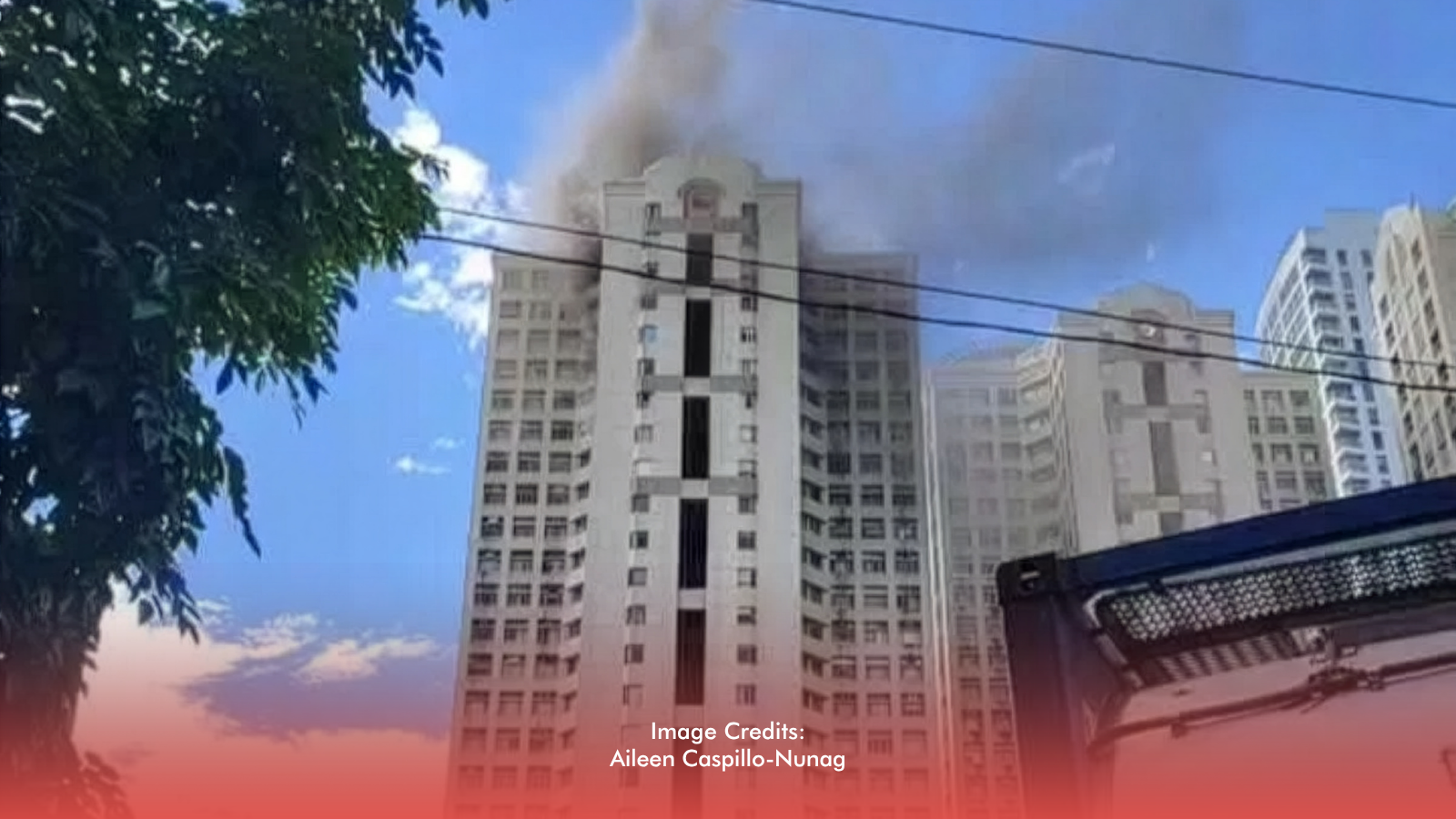
A condominium fire can be one of the most disruptive emergencies residents may experience. Beyond the immediate danger, many questions arise once the flames are extinguished. Can residents return to their units right away? Who pays for the damage? Who is responsible? And what happens next?
While every fire incident is different, there are common procedures that typically take place after a condominium fire in the Philippines.
Number One: Liability
One of the biggest misconceptions about condominium fires is that the owner of the unit where the fire started is automatically responsible for all resulting damages. In reality, liability depends on what caused the incident and whether negligence can be established.
Investigations typically examine multiple factors, including electrical systems, fire protection equipment, maintenance records, building policies, and resident activities. Depending on the findings, responsibility may involve a unit owner, contractor, service provider, condominium corporation, insurer, or other parties.
It is also important to understand that the condominium developer, condominium corporation, Board of Trustees, and Property Management Office (PMO) are not the same entities and perform different functions.
During the development and turnover stages, the developer is primarily responsible for constructing and delivering the project. Once control of the property is transferred, the condominium corporation, whose members are the unit owners, assumes responsibility for the management of common areas and shared facilities.
The condominium corporation is governed by a Board of Trustees elected by unit owners. The Board is responsible for setting policies and making key decisions regarding the property. Meanwhile, the PMO serves as the day-to-day administrator of the building, implementing policies, overseeing maintenance, coordinating contractors, and managing building operations on behalf of the condominium corporation.
Because these entities have different responsibilities, determining accountability after a fire often requires examining who had control over the specific area, system, or activity involved in the incident.
Number Two: Repairs and Insurance
Another common question after a condominium fire is who bears the cost of repairs.
There is no single answer that applies to every situation. Costs are often covered through a combination of insurance policies, condominium corporation resources, individual unit owner responsibilities, and, in some cases, parties found to be legally responsible for the incident.
Repairs to common areas may be covered by the condominium corporation's insurance or maintenance funds, while damage inside individual units may fall under the responsibility of the unit owner and their insurance coverage. The exact allocation of costs often depends on the condominium's governing documents, insurance policies, and the circumstances surrounding the fire.
Because responsibilities vary from one property to another, insurance coverage remains one of the most important protections available to both condominium corporations and individual unit owners.
Number Three: Recovery
Once firefighters have secured the scene, the focus shifts to safety assessments and recovery efforts. In most condominium developments, the PMO serves as the primary coordinator of post-fire response, working alongside engineers, insurers, the condominium corporation, and government agencies to assess affected areas and facilitate recovery.
Contrary to a common misconception, recovery involves much more than repairing visibly burned areas. Smoke, soot, water used during firefighting operations, and damage to electrical or mechanical systems can affect neighboring units, hallways, and common areas.
Before residents are allowed to return, inspections may be conducted to verify that fire safety systems, electrical facilities, elevators, and other essential services are functioning properly. Depending on the extent of the damage, restoration work may include debris removal, deep cleaning, smoke remediation, repairs to common areas, and replacement of damaged equipment.
Recovery timelines can vary significantly depending on the severity of the incident, the availability of contractors, and insurance-related processes.
Prevention Starts Before the Fire
While much attention is placed on what happens after a fire, prevention remains the most effective safeguard.
Most condominiums conduct regular fire and earthquake drills, as well as emergency preparedness exercises to familiarize residents with evacuation procedures and emergency protocols. However, these efforts are only effective when residents actively participate and comply with safety guidelines.
Fire safety is not solely the responsibility of the PMO or condominium corporation. Residents also play an important role by maintaining safe conditions inside their units, reporting potential hazards, and complying with building rules related to electrical systems, cooking equipment, storage of flammable materials, and emergency access.
Some property management professionals have also advocated for more frequent home safety inspections within condominium units. While there is currently no nationwide Philippine law requiring mandatory residential safety inspections inside every condominium unit, condominium corporations and property managers may establish inspection policies under their building rules, subject to applicable laws and governing documents.
These inspections can help identify potential hazards such as overloaded electrical outlets, damaged wiring, blocked fire exits, malfunctioning smoke detectors, gas leaks, and other risks before they lead to larger incidents.
Ultimately, a condominium fire does not end when the flames are extinguished. Recovery often involves inspections, cleanup, repairs, insurance processes, and investigations that can take weeks or even months to complete. Understanding the roles of residents, the PMO, the condominium corporation, and other stakeholders can help homeowners navigate the aftermath more effectively while recognizing that fire safety begins long before an emergency occurs.