As tensions in the Middle East disrupt global oil supply, the Philippines is rolling out a mix of immediate relief and long-term strategies to cushion the impact on consumers.
Immediate Relief Measures
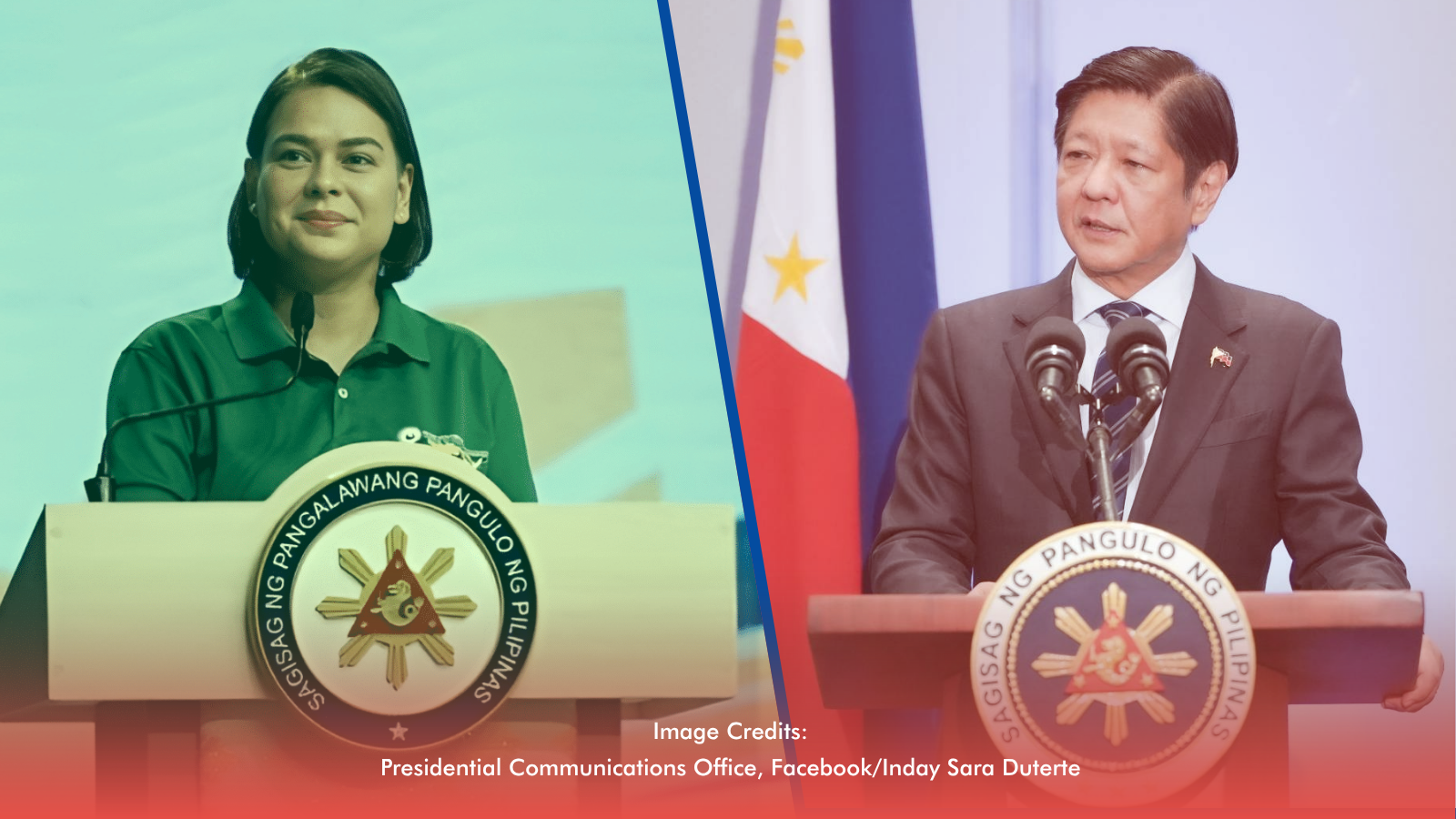
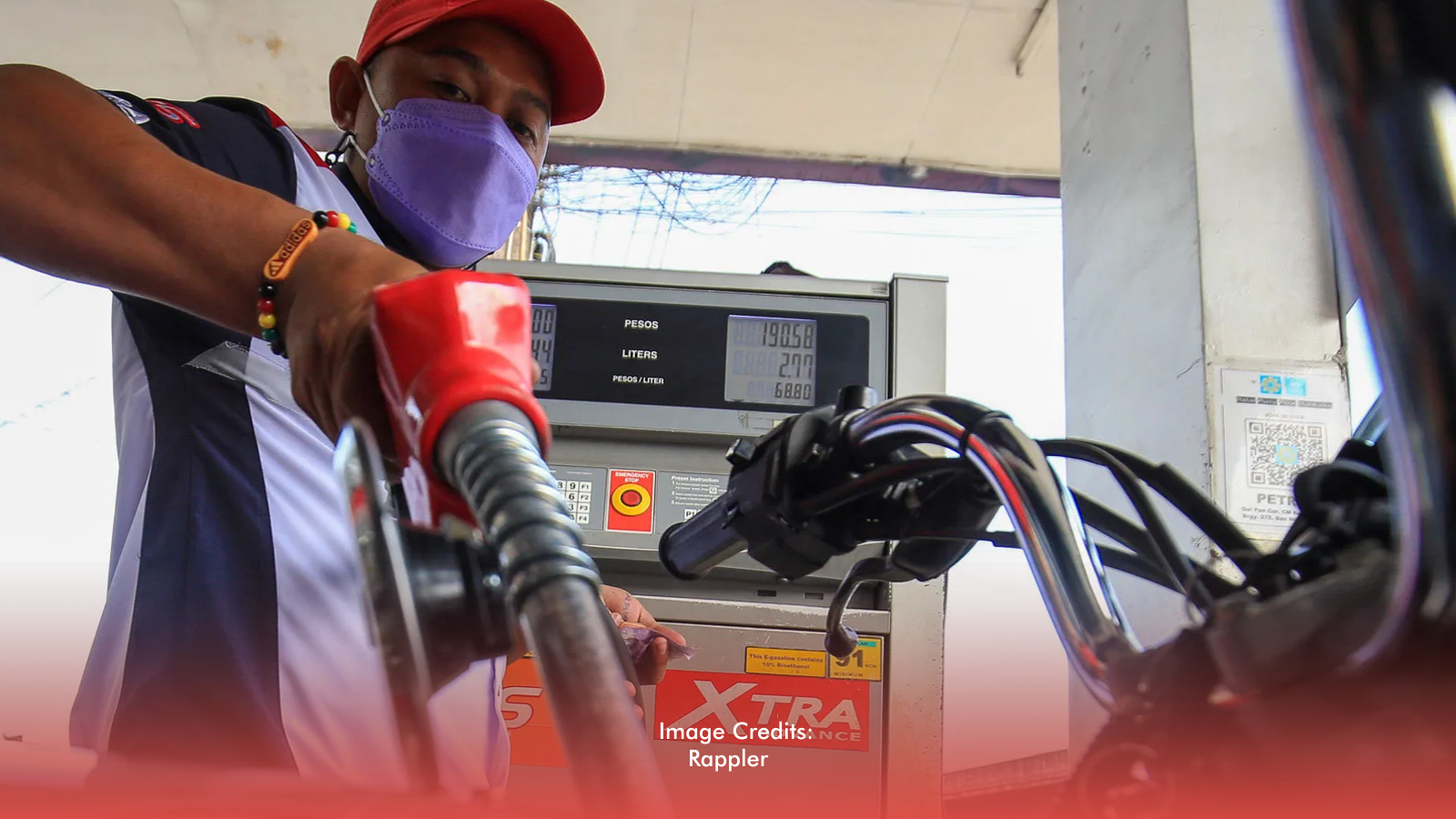
With fuel prices nearing P100 per liter, President Ferdinand Marcos Jr. ordered fuel subsidies for key sectors.
The government began distributing:
- P5,000 for public utility vehicle (PUV) drivers
- P3,000 for farmers and fisherfolk
- Additional P2,000 livelihood aid through agricultural programs
Initial payouts covered over 139,000 tricycle drivers, with more beneficiaries to follow.
To keep transport services running, the Land Transportation Franchising and Regulatory Board approved fare increases across most public transport modes starting March 19, calling it a “balancing act” between operator survival and commuter protection.
Cost-Cutting and Industry Support
To ease operational costs, the government implemented a four-day workweek to reduce fuel and electricity use.
The Civil Aviation Authority of the Philippines also cut airport-related fees, while the Civil Aeronautics Board shortened fuel surcharge reviews to allow quicker fare adjustments.
Local government units were likewise urged to suspend “pass-through” fees on delivery vehicles to prevent further increases in goods prices.
Policy Actions and Limitations
The administration certified as urgent a bill allowing the temporary suspension of fuel excise taxes, now approved on third reading in the House.
However, price controls remain limited under the Downstream Oil Industry Deregulation Act of 1998, which allows oil firms to set prices based on global markets.
Economic Impact and Long-Term Strategy
In addition, Senator Mark Villar in his column said the crisis highlights a key vulnerability: the Philippines imports about 90% of its oil, making it highly exposed to global price shocks. He warned of “imported inflation,” where rising oil prices and a weaker peso push up the cost of goods and services. While inflation stood at 2.4% in February, he noted this could accelerate if oil breaches $100 per barrel, potentially slowing economic growth and even affecting remittances from overseas Filipino workers in the Middle East.
Villar emphasized that the government’s response should remain targeted and measured. Instead of broad tax cuts that could strain public finances, he backed direct aid such as fuel subsidies for drivers, farmers, and fisherfolk. He also highlighted the role of the Bangko Sentral ng Pilipinas in stabilizing inflation and the peso, alongside long-term efforts like expanding renewable energy and strengthening cooperation within Association of Southeast Asian Nations to improve energy security.
Despite the challenges, Villar expressed confidence that with timely intervention, disciplined policy, and regional cooperation, the Philippines can navigate the crisis and emerge more resilient.