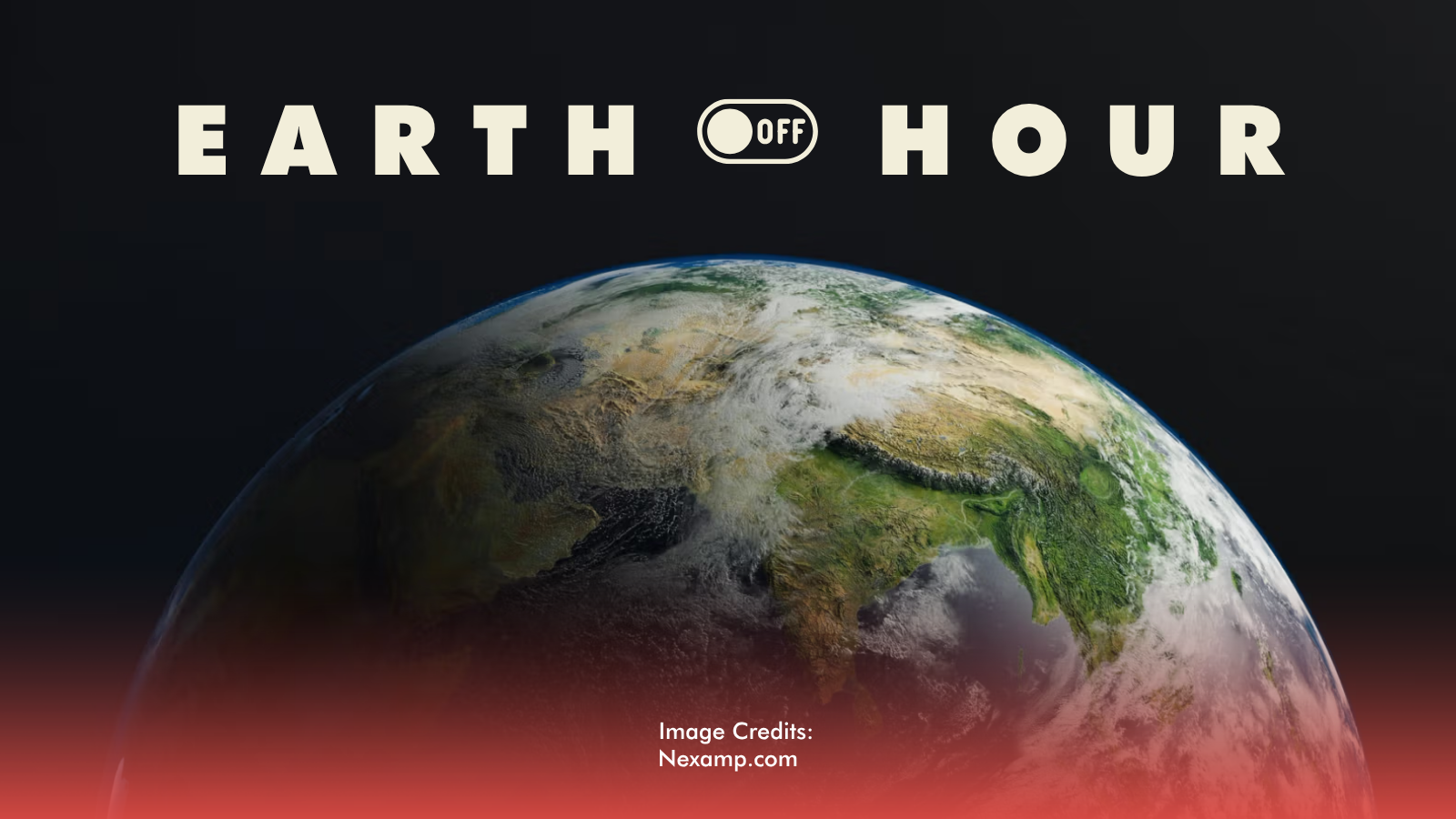
This year’s Earth Hour falls on Saturday, March 28, from 8:30 to 9:30 PM (Philippine Standard Time). Its premise is simple: switch off non-essential lights for one hour to give the planet some room to breathe.
Earth Hour
Earth Hour began in 2007 in Sydney, Australia, as a symbolic act to raise awareness about climate change. That night, 2.2 million people and over 2,000 businesses switched off their lights. Fast forward to today; it has grown into the world’s largest grassroots environmental movement, with millions participating across nearly 200 countries, including the Philippines.
2026 marks Earth Hour’s 20th anniversary, inspiring communities, establishments, and governments to take action for the planet. These include pledges for climate action, large-scale conservation projects, and species recovery efforts. Beyond the switch, the campaign now encourages everyone to “Give an Hour for Earth,” dedicating this timeframe to doing something positive for nature.
Consistent Relevance
This year, energy has never been more vital.
Global fuel challenges, partly tied to conflicts in the Middle East, mean electricity and other energy resources are running scarce. To put it simply, everything we rely on, from charging our phones to keeping the lights on, runs on fuel. So even one hour of reduced demand is significant because it shows that small changes in consumption matter.
Earth Hour also comes amid a more uncertain global landscape, where climate policies face resistance and biodiversity is often sidelined. When we participate, we offer our own way of reconnecting with nature, reflecting on our habits, and joining a collective effort that spans the world.
Save the Earth
Inside, turn off the lights and unplug devices if you can. Outside, try to spend the hour offline with family or with your community. At the end of the day, we are asked to use this time to appreciate the planet and think of small ways to live more sustainably.
Earth Hour is not a catch-all solution. But in 2026, with rising energy challenges, climate concerns, and its 20-year legacy, giving the planet just one hour of respite is more than symbolic; it reminds us of the power of collective action.