
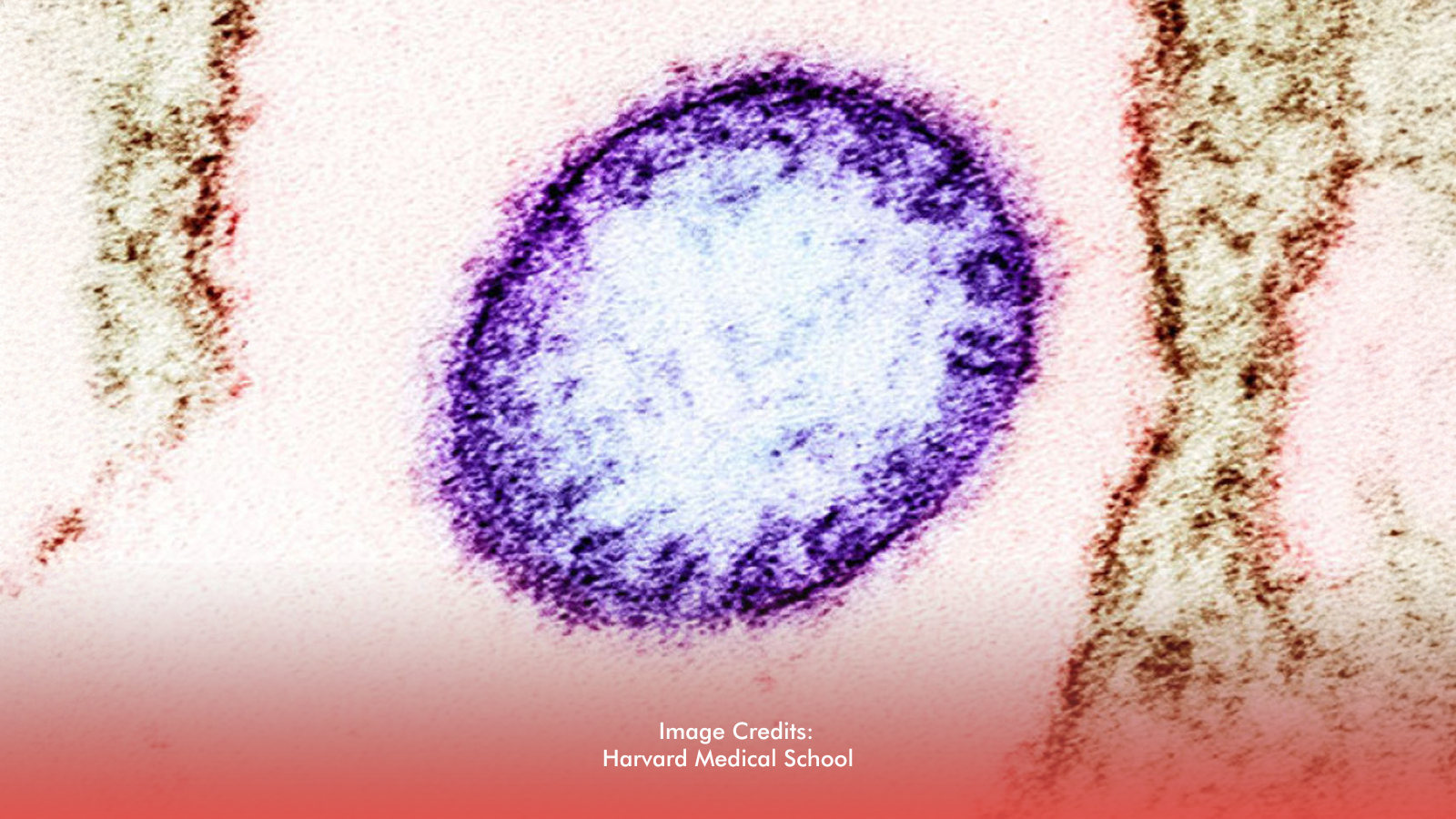
The Department of Health (DOH) assured the public on Wednesday, January 28, that it is ready to respond to potential cases of the Nipah virus (NiV), following confirmed infections in West Bengal, India. The Bureau of Quarantine (BOQ) is actively monitoring airports and seaports to prevent the virus from entering the country.
Proactive Measures at Borders and Ports
Although Philippine borders remain open, the DOH has implemented proactive measures. Departing passengers complete an online health declaration, while arriving travelers undergo thermal scanning and observation by trained personnel. Educational materials about Nipah virus symptoms, transmission, and prevention are also distributed at all points of entry.
“The DOH is prepared for the Nipah virus and other illnesses. The virus is not new to us,” the agency said, citing the 2014 outbreak in Sultan Kudarat, which recorded 15 cases, nine of which were fatal.
Understanding Nipah Virus and Safety Tips
Infectious disease expert Dr. Edsel Salvana explained that Nipah virus is typically transmitted from animals such as bats, and can cause encephalitis (inflammation of the brain), with a fatality rate of up to 50%. Symptoms include fever, headache, difficulty breathing, and in severe cases, neurological complications. Worryingly, Dr. Salvana said, the virus’ high fatality rate makes it particularly concerning, even though no cases have been reported in the Philippines to date.
The DOH advises the public to cook meat thoroughly and only purchase products approved by the National Meat Inspection Service. While there are no vaccines or specific treatments for NiV, intensive supportive care is recommended for severe respiratory or neurological cases, according to the World Health Organization (WHO).
Global Context and Ongoing Monitoring
First identified in Malaysia in 1999, NiV has caused near-annual outbreaks in Bangladesh and periodic cases in eastern India. Transmission may occur through contaminated fruit or fruit products and, in some cases, directly between humans.
“Educating the public and ensuring airport and port front-liners are prepared is more effective than travel restrictions,” the DOH said. Under Secretary Teodoro Herbosa, updated response guidelines for Nipah virus were released in 2023 to strengthen monitoring and preparedness.