When a child suddenly falls ill, a Filipino family may hear two suggestions almost at once: bring the child to a clinic, or ask someone to check whether the illness could be usog.
One relative may recommend a doctor. Another may know an albularyo in the neighborhood who can offer a traditional explanation. For some families, these responses are not necessarily contradictory. They reflect different ways of understanding sickness, shaped by culture, experience and access to healthcare.
But what happens when someone visits an albularyo, and why does this traditional healer remain part of Filipino life?
What Is an Albularyo?
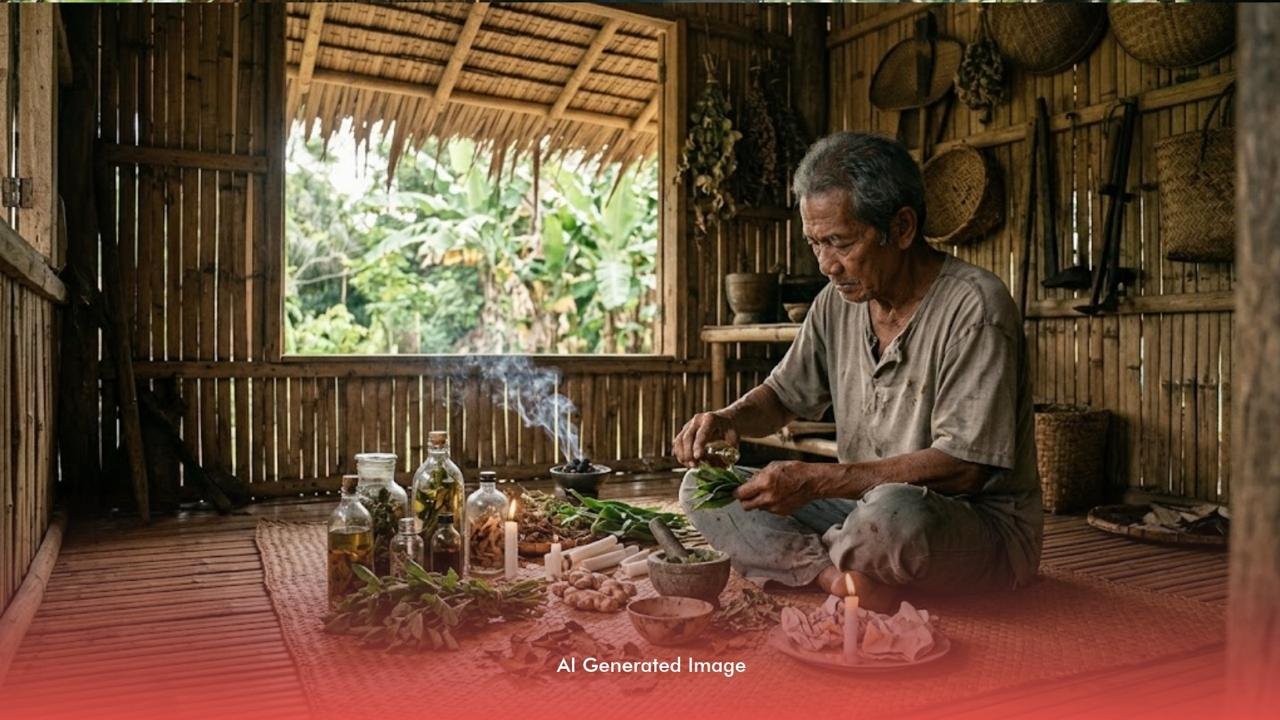
An albularyo is a traditional Filipino folk healer who may use medicinal plants, prayers, rituals and inherited healing practices. The methods vary by region and practitioner, and some healers are consulted for illnesses believed to have supernatural causes.
The albularyo is not automatically the same as a hilot, whose traditional practice is commonly associated with massage and hands-on care, or a faith healer whose approach centers on religious belief. These roles may overlap in some communities, but they are not interchangeable.
For many families, consulting an albularyo is about more than finding a remedy. It can also mean seeking reassurance, listening to an elder's advice or understanding an illness through familiar cultural beliefs.
What Happens During a Visit?
There is no single procedure followed by every albularyo. A visit may begin with questions about a person's symptoms, when the illness started and what the family believes may have caused it.
Depending on the practitioner and local tradition, the consultation may involve prayers, herbal preparations, a ritual or pagtatawas. Some practitioners may interpret the symptoms through beliefs about usog, curses or spirits.
The experience can differ widely from one community to another. Some visits focus on traditional plant knowledge, while others emphasize spiritual explanations and rituals.
These practices may offer comfort or reflect deeply held beliefs, but they should not be mistaken for medically established methods of diagnosing an illness.
Why Do Filipinos Still Consult Albularyos?
Traditional healing continues for several reasons, including family customs, trust, affordability and the availability of healthcare services. In some communities, a local healer may be easier to reach than a clinic or hospital.
A 2024 paper examining survey responses from 1,202 adults in medically underserved rural Philippine communities found that people used different sources of health information and care. Healthcare professionals were a common choice, while some respondents also reported practices such as self-medication, prayer and consulting informal providers.
The findings do not represent every Filipino, but they offer a glimpse into how people may navigate different forms of care.
Did You Know? Seeking help from a traditional healer does not always mean rejecting modern medicine. Some people consult both, although the safety of any particular practice or treatment still needs to be considered independently.
What Is Pagtatawas?
One practice associated with folk healing is pagtatawas, a ritual in which a practitioner interprets patterns formed by a prepared substance, often wax or another material placed in water. The exact method and interpretation can differ between practitioners.
In some traditions, the ritual is used to investigate suspected usog, curses or other believed causes of discomfort.
For those who practice it, pagtatawas may provide a familiar explanation for an unsettling experience. However, it is not a medically validated diagnostic test. Its results cannot reliably identify the cause of an illness or replace an examination by a qualified healthcare professional.
Usog, Kulam and Nuno: Are They Connected?
These beliefs are part of Filipino folklore, but they refer to different ideas.
- Usog: A folk belief that a person's attention, greeting or presence may cause discomfort or illness, particularly in babies and young children.
- Kulam: A form of harmful magic or cursing believed to cause misfortune, sickness or suffering.
- Nuno: A supernatural being in Filipino folklore, often associated with the earth or particular places. Traditional warnings advise people not to disturb its supposed dwelling.
In communities where these beliefs remain familiar, an albularyo may be asked to interpret symptoms through this cultural framework.
Yet a supernatural explanation should not be treated as a medical diagnosis. Fever, pain, swelling and other symptoms can have physical causes that require proper assessment.
Can Traditional Healing Really Cure Illness?
The answer depends on the specific practice or remedy being used.
Some plants contain compounds with scientifically recognized medicinal properties. Others may have little proven benefit, while certain preparations can cause harmful side effects or interact with prescription medicines. A remedy being natural or traditionally used does not automatically make it safe.
Traditional knowledge can be worth studying, but claims about treatment should be evaluated through reliable evidence. People should not stop prescribed medication or postpone necessary medical care because a healer believes an illness has a supernatural cause.
Respecting cultural traditions and recognizing the limits of unproven treatments can go hand in hand.
When Should You Seek Medical Help?
Some symptoms need immediate attention, regardless of what a family believes caused them. These include difficulty breathing, severe chest pain, loss of consciousness, signs of a stroke, severe dehydration and serious illness in an infant.
Do not delay urgent care to complete a ritual or seek a second supernatural explanation. If someone has taken herbal preparations or other traditional remedies, tell the healthcare professional so they can consider possible side effects or interactions.
Why Does the Albularyo Remain Part of Filipino Culture?
The albularyo represents an intersection of healing, belief, family tradition and community life. Stories about folk healers are passed from one generation to the next, along with knowledge of plants, prayers and rituals.
For some people, these practices provide comfort and a sense of connection to their roots. For others, they are part of the mysterious stories that make Philippine folklore so enduring.
Understanding the albularyo does not require believing every claimed cure. It means recognizing why people turn to traditional healers while remaining clear about the importance of evidence-based healthcare.
The Story Behind the Healer
Imagine an elder who knows which leaves families traditionally use, a neighbor who recommends a familiar ritual, or relatives who debate whether an illness needs prayer, a clinic visit or both.
These are more than stories about the supernatural. They reveal how culture shapes the way people understand sickness, fear and recovery.
The albularyo remains a recognizable figure in Filipino life because the role is tied to more than medicine. It is connected to stories, relationships and beliefs that have endured across generations.
And perhaps that is the real story behind visiting an albularyo: understanding the tradition can help explain why people seek answers in familiar rituals, but when illness is dangerous, proper medical care must always come first.