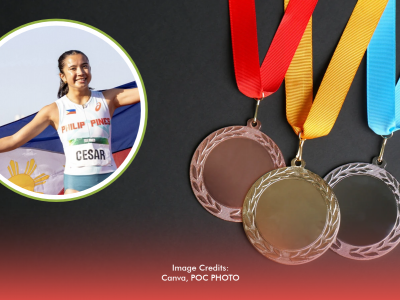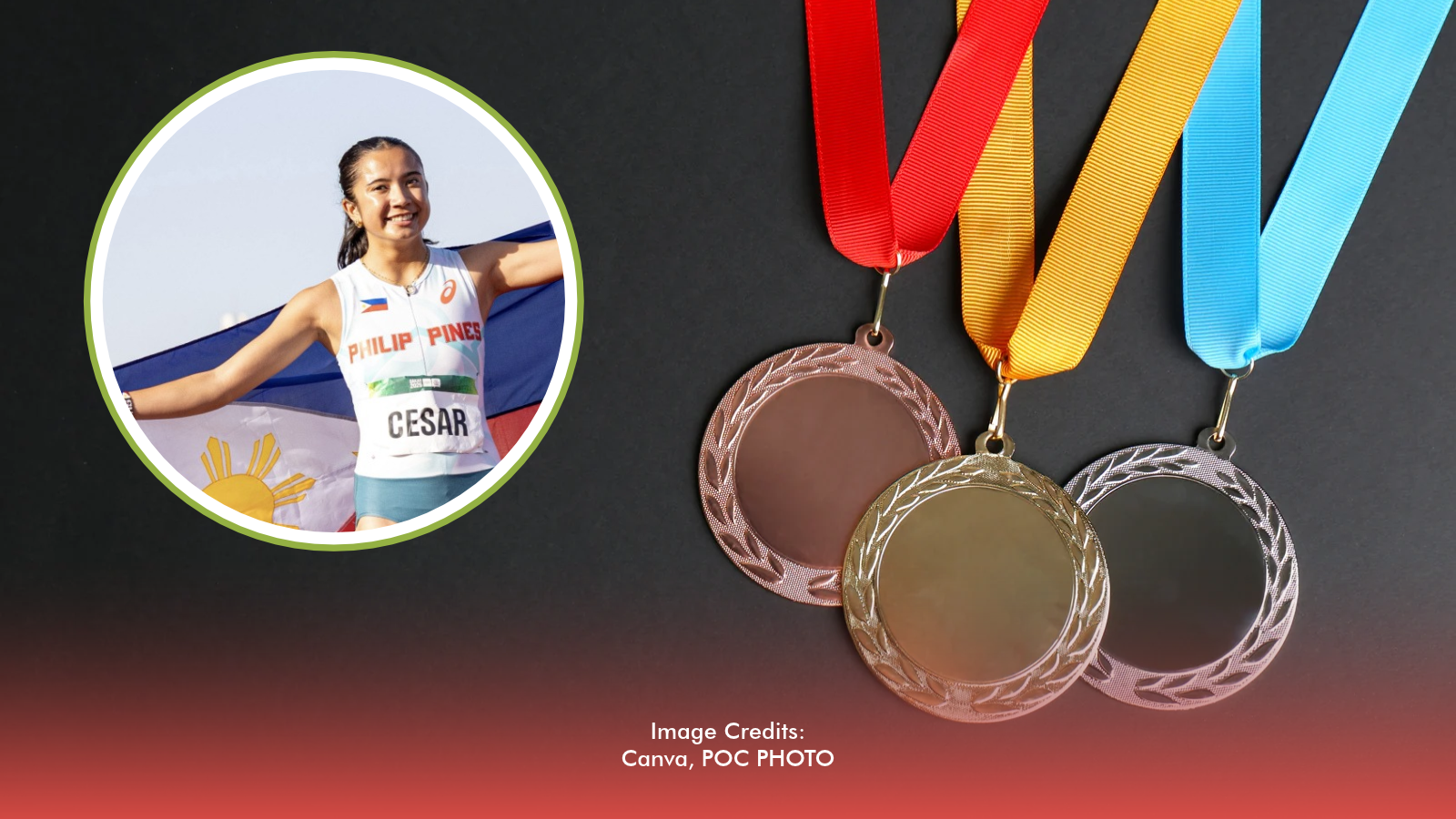
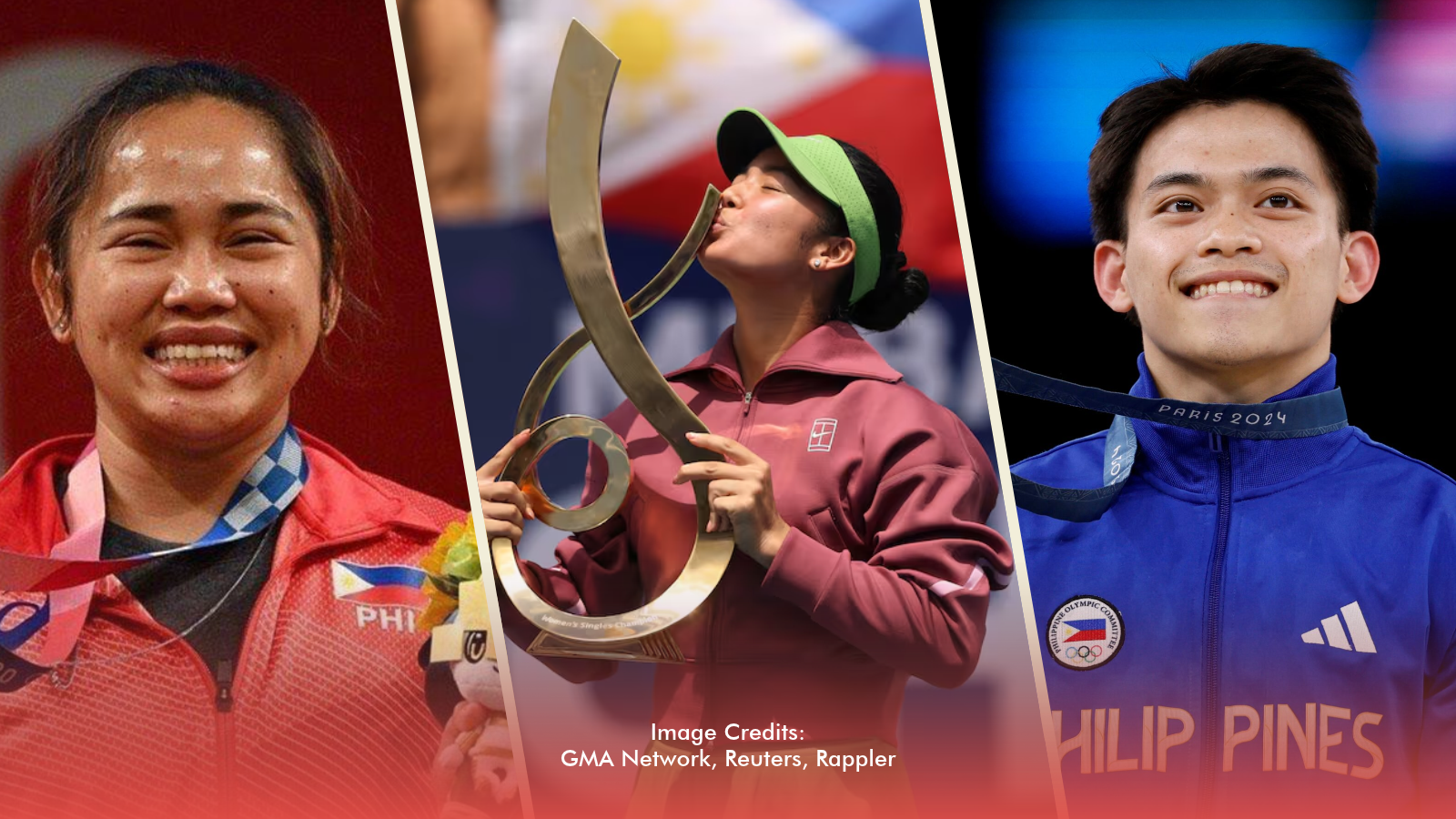
From Hidilyn Diaz’s historic Olympic gold in 2021 to Carlos Yulo’s double gold in Paris in 2024, Filipino athletes have given the country plenty to cheer about. But every medal rests on years of training, sacrifice, and support that the cheering crowd rarely sees. And as the government [tries to] step up its assistance, does that support reach every athlete who needs it?
The Cost of Becoming a Champion
World-class competition is expensive. Coaching, equipment, nutrition, and international training all add up, and athletes often shoulder these costs long before they win anything.
Yulo trained for years in Japan to access specialized coaching. Tennis star Alex Eala has received international development grants to finance her professional career, while pole vaulter EJ Obiena has highlighted the need for specialized training and facilities. Michael Martinez, who recently announced his comeback to competitive skating, once turned to fundraising for his Olympic ambitions.
Has Government Support Improved?
There has been progress. In August 2025, the Philippine Sports Commission (PSC) raised the monthly allowances of national athletes and coaches by ?5,000, a meaningful change for athletes who previously received as little as ?10,000.
Still, higher allowances don’t guarantee sufficient support. Consistent funding, timely releases, and fair access to resources matter just as much.
Beyond the Podium
That fairness must also extend to athletes outside the spotlight, such as those in para sports. At the 2026 Asian Para Games in Japan, the Philippines sent 69 athletes across 11 sports and returned with seven medals, including two golds from swimmers Ernie Gawilan and Ariel Joseph Alegarbes.
These results show the country’s potential, but sustaining it requires accessible facilities, specialized equipment, quality coaching, and steady financial assistance.
Building a Sustainable Sports System
Private foundations, corporate sponsors, schools, and international organizations can widen opportunities, but they should complement, not replace, the government’s responsibility to develop sports at every level.
A country’s sporting success shouldn’t be measured by medal count alone. Filipino athletes deserve the chance to build careers regardless of their popularity, discipline, or financial circumstances.
Celebrating champions is important, but building a system that creates more of them is just as necessary.