
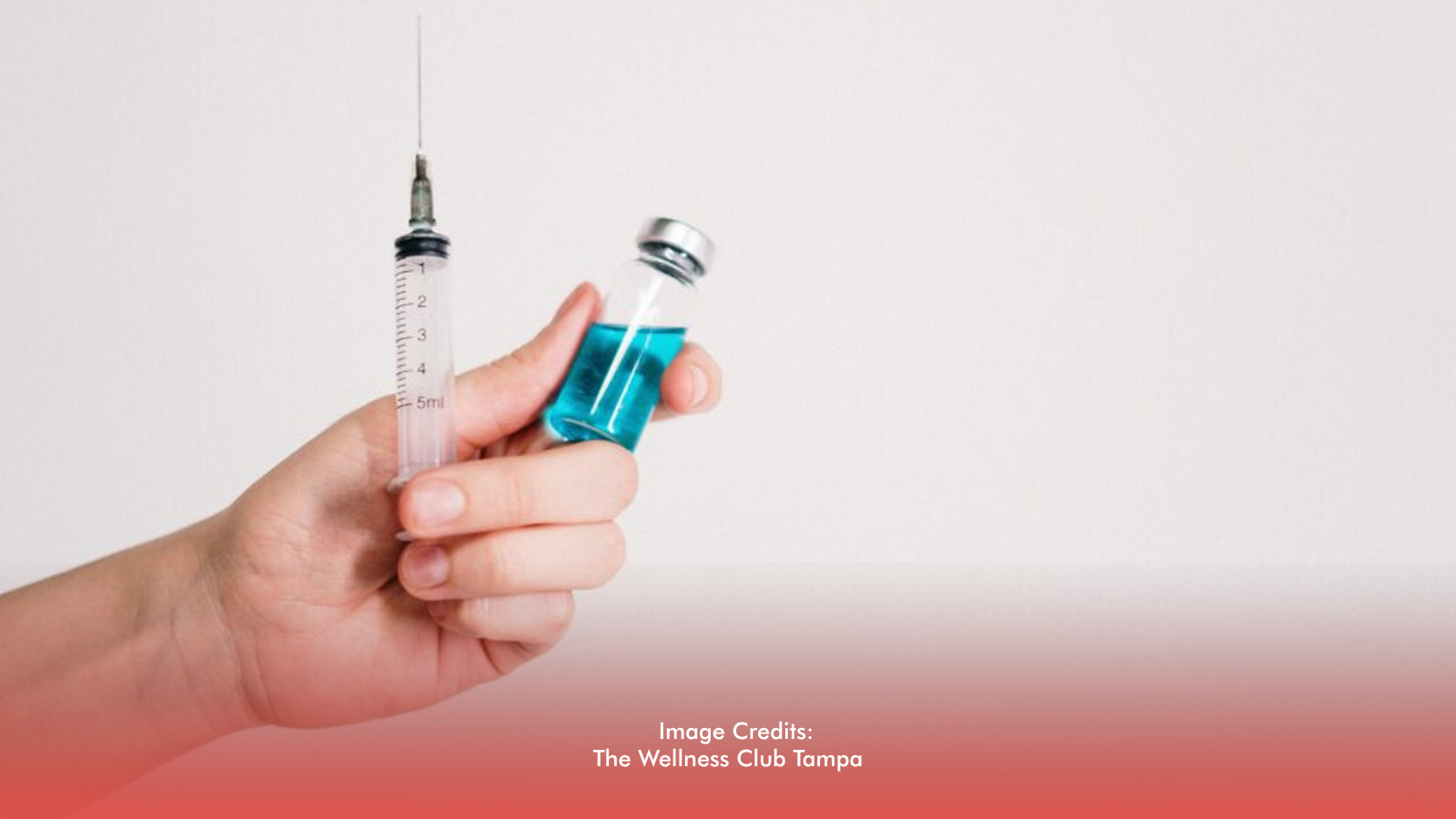
Injectable treatments have quickly become part of everyday wellness. Once associated mainly with diabetes and other medical conditions, injections are now widely promoted for weight loss, muscle recovery, anti-aging, and even healthier skin and hair. Social media is filled with people sharing their favorite "peptide stacks," making these products seem like the latest shortcut to better health.
But while peptide science is real, experts say consumers should understand the difference between proven medicine and unregulated wellness products.
Science-Backed Treatments vs. Wellness Marketing
Peptides are short chains of amino acids that naturally help regulate important body functions such as hormones, metabolism, and blood sugar. They have been used in medicine for decades, with insulin, semaglutide, and tirzepatide among the best-known peptide-based medications.
The growing popularity of these drugs has fueled a booming wellness industry, with peptides now marketed for everything from fat burning and muscle growth to skin rejuvenation and faster recovery. While some peptide medicines are supported by extensive clinical research, many others remain experimental or have only limited evidence. Experts caution that terms like "clinically studied" or "pharmaceutical grade" do not necessarily mean a product is approved, safe, or effective.
Why Consumers Need to Be More Careful
The rise of online sellers has made peptide injections easier to buy than ever. In the Philippines, unregistered tirzepatide products are openly sold through social media despite warnings from health authorities. Earlier this year, lawmakers raised concerns that only one tirzepatide brand was registered with the Philippine FDA, while unapproved versions continued circulating online. The National Bureau of Investigation has also arrested individuals for illegally selling unregistered products.
Medical experts stress that the biggest risk is not peptide science itself, but products with unknown manufacturers, questionable quality, and no regulatory oversight. Improper dosing, contamination, or incorrect storage can pose serious health risks.
The Philippine FDA advises consumers to use injectable medicines only with a doctor's prescription and to buy them from licensed pharmacies. Before trying any peptide treatment, experts recommend verifying that the product is FDA-registered, understanding the evidence behind its intended use, and seeking guidance from a qualified healthcare professional—not from an online seller.
As peptide therapies continue to evolve, informed decisions remain the best protection against wellness trends that may promise more than they can deliver.