
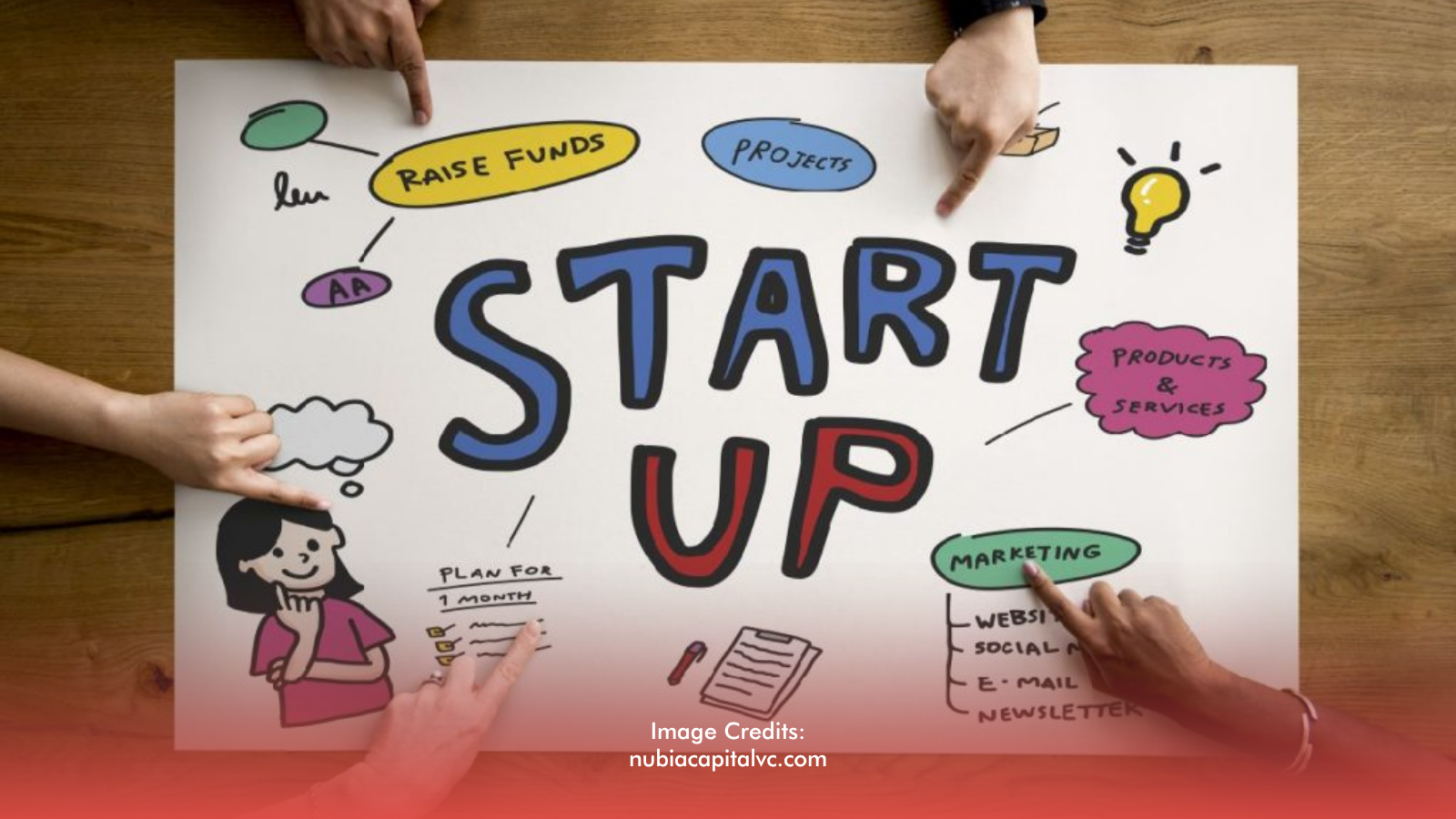
When people talk about the Philippine startup scene, funding is often the first thing that comes up. And there is a reason for that.
Startup funding in the Philippines has been getting tighter. Fewer deals and less capital mean founders have fewer resources to build, hire, and scale their companies.
But there is a bigger question worth asking: If startups get more money, will that automatically make them successful?
Not necessarily.
Capital can give founders more time. It can help them build better products and hire more people. However, money cannot solve every problem that comes with turning an idea into a sustainable business.
Here are four challenges Philippine startups need to tackle beyond funding.
1. Finding the Right Talent
A startup can have a great idea and enough money in the bank. Without the right people to execute it, however, growth can quickly stall.
Startups need more than software developers. They need experienced managers, sales teams, marketing specialists, product experts, and people who understand how to take a young company from an idea to an actual business. The Philippine startup ecosystem has made progress in developing local talent. Still, specialized skills can be difficult to find, especially for companies trying to scale quickly.
More funding can help startups offer better salaries. It cannot instantly create a larger pool of experienced talent. That makes talent development just as important as attracting investors.
2. Getting Customers to Actually Pay
A startup can have thousands of downloads, impressive social media numbers, or a long list of users. But there is one metric that matters even more: how many people are willing to pay?
Founders have to understand what customers actually need, how much they are willing to spend, and whether they will keep paying over time.
That is not something a funding round can guarantee.
In fact, having too much capital too early can sometimes allow startups to postpone difficult questions about their business model. Money can help a company acquire customers. It cannot force customers to stay.
3. Reaching the Market Is Harder Than It Looks
The Philippines has a huge potential market. But reaching that market is another story. Customers are spread across thousands of islands, cities, provinces, and communities with different levels of income, connectivity, and access to services.
For startups, that creates a distribution challenge. A product that works perfectly for customers in Metro Manila may need a very different strategy to reach users in other parts of the country. Startups also have to navigate regulations, infrastructure limitations, partnerships, and established competitors.
Funding can pay for expansion. Founders still need to figure out where to expand, who to serve, and how to get there.
4. Turning Funding Into a Sustainable Business
Perhaps the biggest challenge comes after the funding announcement.
A successful fundraising round gives a startup runway. What happens during that runway determines whether the company actually has a future. Founders need to turn investment into products customers want, efficient operations, recurring revenue, and eventually a business that can stand on its own. That means knowing when to spend and when to save. It means measuring growth beyond vanity metrics. Most importantly, it means building something valuable enough that customers will continue paying for it.
The goal cannot simply be to raise the next round. The goal should be to build a company that eventually needs less outside capital to survive.
Funding Still Matters. But It Isn't Everything.
None of this means the Philippine startup ecosystem does not need more funding.
It does.
Early-stage founders need capital to experiment, hire, build products, and compete. Investors also play an important role in helping promising Filipino companies grow. But funding should be viewed as an enabler, not the end goal.
A healthier startup ecosystem would measure success not just by how much money founders raise, but by how many companies create jobs, attract customers, generate revenue, develop Filipino talent, and survive long enough to scale. Because a bigger funding round can give a startup another year.
A better business gives it a reason to keep going.