For millions of Filipinos, Facebook is more than a social network. It is where people catch up with friends, follow the news, promote small businesses, sell products, build communities, and increasingly, make a living.
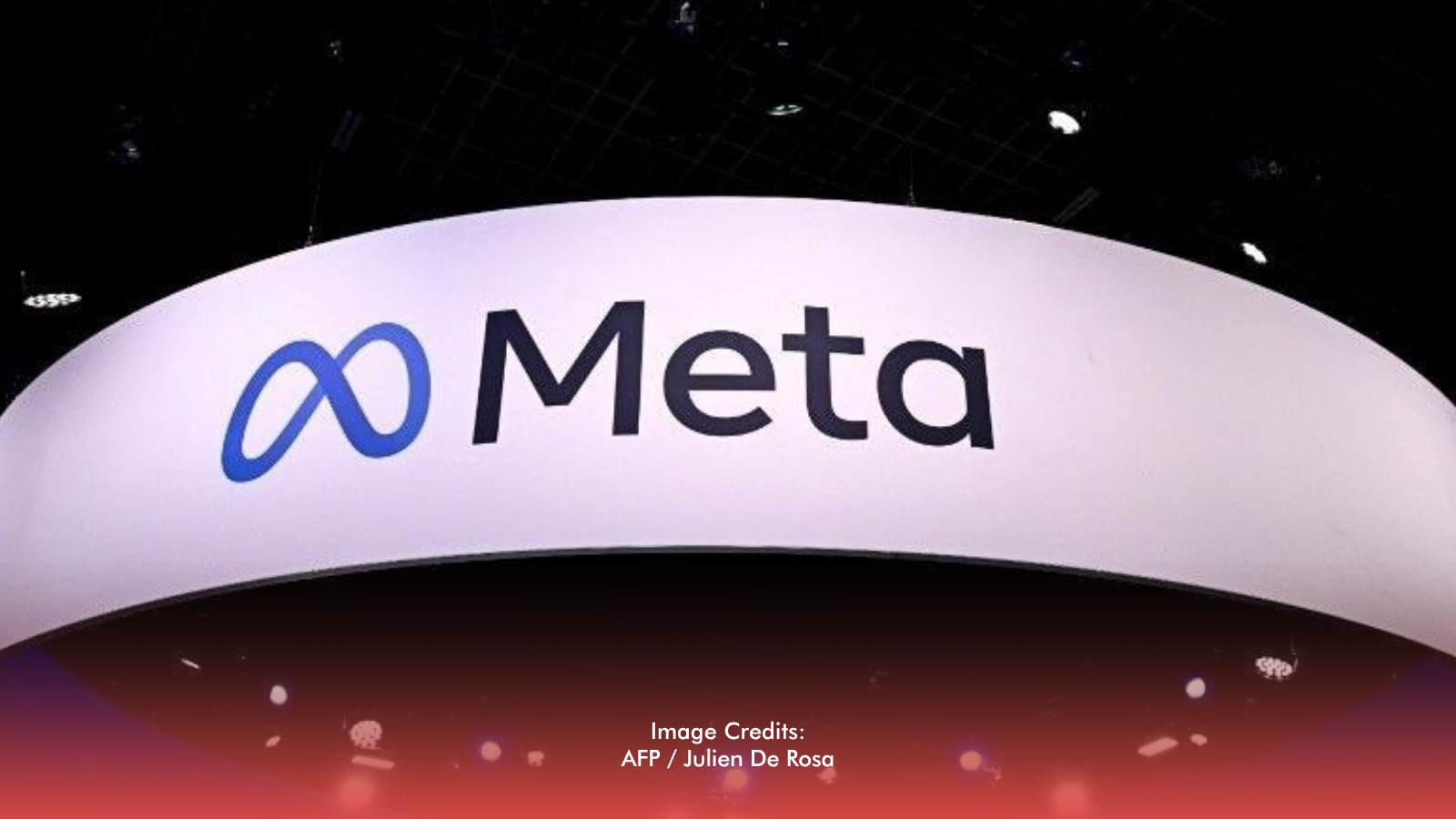
Now, the company behind Facebook and Instagram is preparing to establish a local presence in the Philippines. The move comes as Philippine authorities push Meta to respond faster to harmful content, online threats, child exploitation, and AI-generated deepfakes.
But what does a Meta Philippines office actually change for the people using its platforms every day?
Why Is Meta Setting Up in the Philippines?
The push for a stronger local presence comes amid growing concerns about how quickly social media platforms can respond to serious online threats. Philippine officials have been seeking closer cooperation with Meta on content moderation and cybercrime investigations.
During a meeting in Singapore on August 27, Philippine officials and Meta executives discussed stronger coordination on harmful online content. Meta also committed to faster responses to lawful government requests and greater cooperation against harmful AI-generated content.
The discussions followed concerns over violent content being livestreamed online, as well as the growing use of social media for scams, exploitation, and other crimes. For authorities, the goal is straightforward: make it easier to reach the platform when something goes wrong.
Meta's team is expected to continue discussions in Manila as the company works toward establishing its local presence.
Will Facebook Become More Strict?
Possibly, but not necessarily overnight.
A Philippine office would give government agencies a more direct channel to communicate with Meta. That could make it easier to flag content that may violate Philippine laws or pose an immediate safety threat.
Meta has also agreed to strengthen cooperation on AI-generated deepfakes and other harmful content. That could become increasingly important as AI tools make convincing fake videos, images, and audio easier to produce.
For regular users, this could mean faster action when reporting serious violations. However, it does not mean that every post reported by the government will automatically disappear.
There is still a difference between content that is illegal, content that violates Meta's platform rules, and content that is simply controversial. How those lines are drawn will matter.
What About Your Facebook Identity?
This is where things get more complicated.
Philippine officials have discussed using the Philippine Identification System, or PhilSys, as part of efforts to strengthen online identity verification. The proposal is intended to make it harder for people to use completely anonymous accounts for criminal activities, particularly those involving children.
Officials have described a possible system where Meta could use an API to verify whether information matches government records, rather than receiving direct access to the entire National ID database. That distinction is important.
Still, the idea raises a bigger question for Filipino users: How much of our real-world identity should be connected to our online identity?
Not everyone who uses a pseudonym online is trying to commit a crime. Some people use separate accounts for work and personal life, while others may want privacy when discussing sensitive issues or criticizing powerful individuals.
So while stronger verification could make some online spaces safer, it also needs clear privacy protections.
What Does This Mean for Content Creators?
For Filipino creators, the changes could go both ways.
A more responsive platform could help creators deal with impersonation, scams, stolen content, deepfakes, and coordinated harassment. At the same time, closer cooperation between Meta and Philippine authorities could make it easier to identify accounts involved in alleged cybercrime or other violations.
That means creators may need to be more careful about what they publish and how they handle potentially sensitive material. This is particularly relevant for creators who cover politics, public officials, crime, or other controversial topics.
The arrival of a local Meta office should not automatically mean less freedom of expression. But it does make clear rules and due process more important.
Businesses Could See Some Benefits, Too
For Filipino businesses, Facebook and Instagram are already important marketing and sales channels.
A stronger local relationship between Meta and Philippine authorities could make it easier to address fake accounts, scams, impersonation, and other forms of online abuse. That could make social commerce safer for both sellers and customers.
Businesses could also benefit from better local support as the digital advertising market continues to grow. But there is another lesson here: don't put all your digital eggs in one basket.
Facebook can be an important business channel, but companies should still maintain their own websites, customer databases, email lists, and other ways of reaching customers. Platform policies can change, regardless of where a company has an office.
Is This the Start of Bigger Social Media Changes?
It could be.
The Philippine government has been taking a more active approach toward how major online platforms handle safety and harmful content. Meta is not the only platform facing questions from regulators. Authorities have also been engaging with other major digital platforms over online safety concerns.
That points to a bigger shift. The Philippines is no longer simply asking global tech companies to follow their own rules. Regulators increasingly want these platforms to respond to problems happening within the country.
A local Meta office could become one of the clearest examples of that shift.
So, Will It Change How We Use Facebook?
Probably, but not in the way some users might expect.
Your Facebook feed will not suddenly look completely different because Meta has a Philippine office. Instead, the bigger changes may happen behind the scenes.
Government agencies could have faster communication channels with Meta. Harmful content could potentially be addressed more quickly. Identity verification could become more important. Creators and businesses may also face a more closely regulated digital environment.
The challenge is finding the right balance.
Filipinos want platforms that are safer from scams, exploitation, violence, and deepfakes. But they also need privacy, free expression, and protection from unnecessary overreach.
Meta's Philippine office could help with the first part. How the country handles the second will determine whether the change is actually good for Filipino internet users.