Electric vehicles and hybrid cars are becoming a familiar sight on Philippine roads. What once felt futuristic is now steadily moving into the mainstream as rising fuel prices, growing environmental awareness, and government incentives push Filipino drivers to rethink gasoline-powered transport. With more models entering the market, 2026 is shaping up to be a pivotal year for the local auto industry.
The Electric Shift Is Real
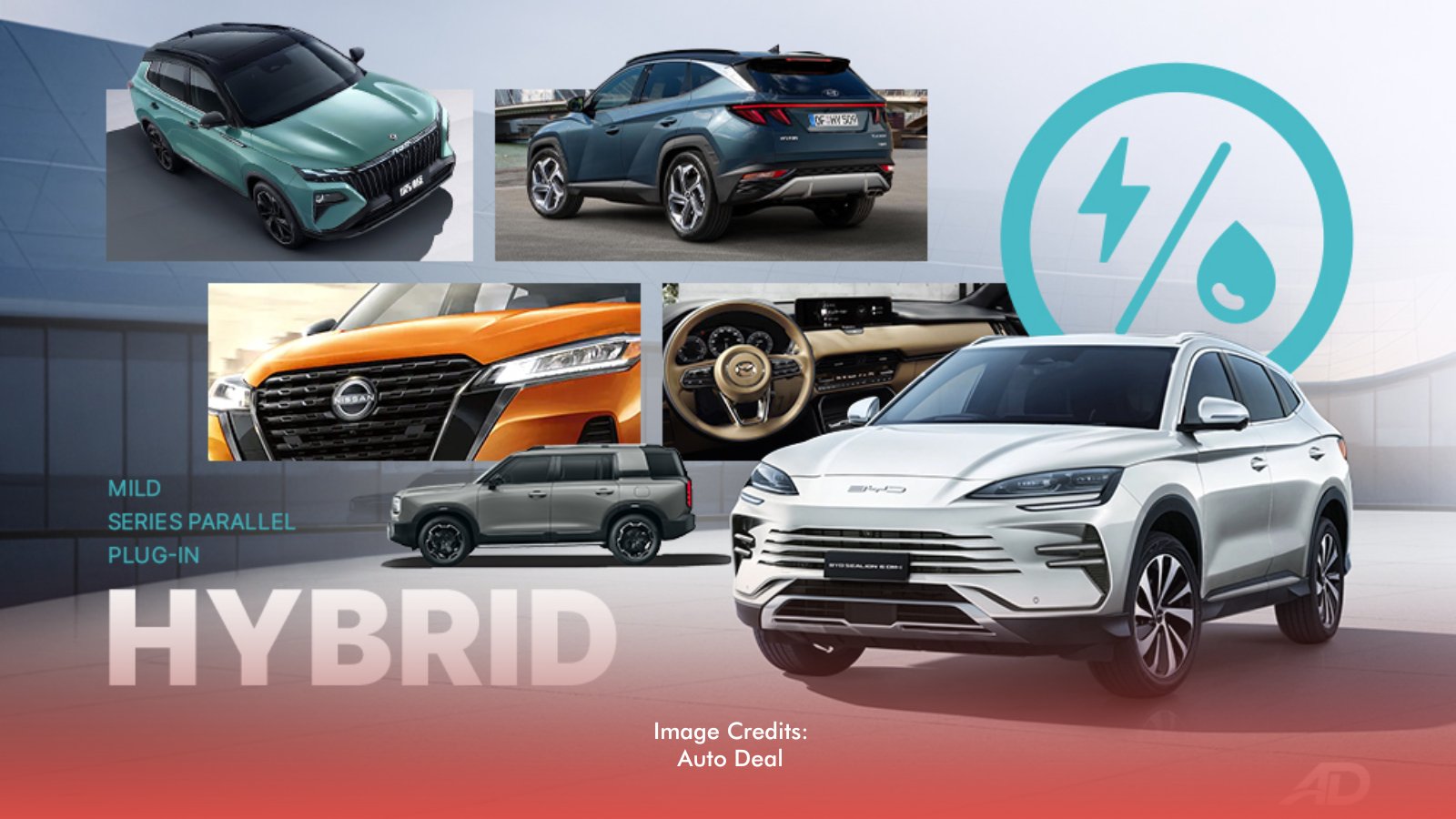
Automakers are expanding their electric and hybrid lineups in the Philippines, with models such as the Nissan Leaf, Toyota Corolla Cross Hybrid, and BYD Atto 3 drawing interest from buyers. Supported by tax incentives and simplified registration, these vehicles are becoming more practical for everyday use.
Urban drivers are leading the shift. Daily traffic highlights the appeal of lower fuel costs, quiet engines, and reduced maintenance, while hybrids offer flexibility for longer trips without full reliance on charging stations.
Why Drivers Are Plugging In
Savings remain a major draw, as electricity costs less than gasoline and maintenance needs are generally lower. Reduced emissions also appeal to drivers concerned about air quality in crowded cities. Many EV and hybrid owners point to smoother rides and built-in tech features as part of the appeal, making daily commutes more comfortable and efficient.
Speed Bumps Ahead
Despite growing interest, challenges remain. Electric vehicles typically cost more upfront, and charging infrastructure outside major urban areas is still limited. Concerns over driving range, battery lifespan, and resale value continue to influence buying decisions.
Because of these factors, hybrids are often seen as a more cautious first step, offering better fuel efficiency without major changes to driving habits.
Where the Shift Is Headed
Momentum around electric mobility in the Philippines continues to build. Charging networks are expanding, automakers are introducing more accessible models, and awareness of sustainable transport is increasing. Gas-powered cars are unlikely to disappear soon, but their long-standing dominance is clearly being challenged.
For Filipino drivers, electric vehicles and hybrids are no longer niche options. They are becoming part of the country’s evolving driving landscape.