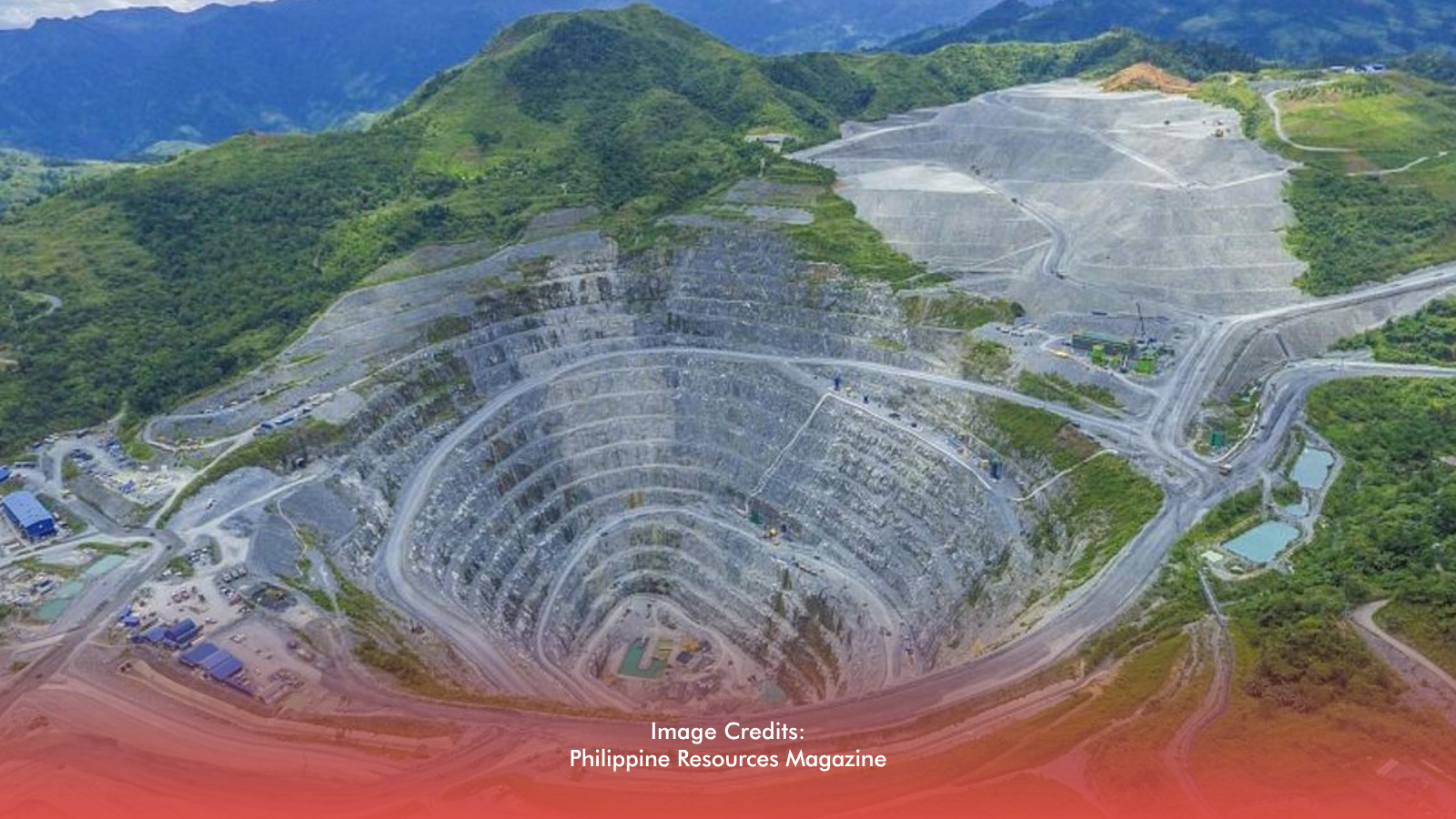
Long-term mine closure planning is already underway at the Didipio Mine in Kasibu town, with OceanaGold Philippines Inc. (OGP) setting aside P768.43 million for final rehabilitation and decommissioning. As of 2026, P551.4 million of the amount has already been placed in a trust fund to support the operation’s eventual closure strategy.
RELATED: [Semirara Cuts Minesite Jobs, Slashes Spending as Coal Business Faces Uncertainty]
Rehabilitation Planned While Mining Continues
The funding is part of the mine’s Final Mine Rehabilitation and Decommissioning Plan (FMRDP), which outlines how the site will be managed and restored as mining activities progress toward their eventual conclusion.
Joan Adaci-Cattiling, OGP president and general manager for external affairs and social performance, said the rehabilitation fund will increase annually in accordance with regulatory requirements while the company continues operating and preparing for closure.
“Responsible mining means planning for rehabilitation throughout the life of the mine and closure long before operations eventually conclude,” Adaci-Cattiling said.
“By progressively rehabilitating our operating areas and steadily building the rehabilitation fund while operations continue, we are ensuring the resources, systems and plans are in place to support a safe, responsible and sustainable transition beyond mining.”
The Didipio Mine occupies a 975-hectare mining permit area, although about 340 hectares are currently used for mining activities. Within that operational footprint, 100 hectares have been identified for progressive rehabilitation while mining remains underway.
More than 55 hectares had already undergone rehabilitation by the end of 2025, based on company data. Other portions of the site will undergo rehabilitation in stages throughout the mine life.
Planning for the Site’s Post-Mining Future
The closure strategy also considers how portions of the property could be used after mining. Around 221 hectares are projected to require final rehabilitation once operations end, while another 58 hectares, including the open pit and parts of the mine camp, are being evaluated for alternative post-mining uses instead of full revegetation.
Earlier consultations with host communities identified possible uses such as agriculture, forestry, a freshwater lake and an area for enterprise tourism development. These proposals, however, remain subject to technical studies assessing the safety, suitability and long-term sustainability of each portion of the site.
The FMRDP is required to undergo review and updating every two years. The process takes into account rehabilitation accomplishments, changes to the mine plan, new technical information, stakeholder feedback and government directives. Its next review is scheduled for the third quarter of 2026.
Adaci-Cattiling also highlighted the company’s 20-year presence in Didipio and its relationship with host communities.
“We have been part of the Didipio community for 20 years, building enduring partnerships founded on mutual respect and shared progress. As our operations continue in the years to come, we are already investing in rehabilitation and closure planning to help ensure positive and sustainable outcomes for the environment and our host communities well into the future,” she said.
OceanaGold said the rehabilitation strategy will continue to evolve as closure designs are completed and studies on possible post-mining land uses become more detailed.
For residents of Kasibu and nearby communities, early rehabilitation and closure planning can help shape what happens to the mining site beyond its productive years. More broadly, the approach highlights the importance of ensuring that mining areas have resources and plans for environmental restoration and community transition, helping local economies prepare for a future beyond mineral extraction.
RELATED: [QC Wins Global Award In Italy For Climate Resilience Innovation]