Metro Manila is no stranger to flooding. But hidden beneath the streets of Pasay City lies one of the most important flood control facilities: the Tripa de Gallina Pumping Station. Quiet and unassuming, it works tirelessly to prevent floodwater from spilling into homes, roads, and businesses.
Beneath the Streets, a Silent Flood Fighter
Built in the 1970s, the Tripa de Gallina Pumping Station is among the largest in the National Capital Region (NCR). Managed by the Metropolitan Manila Development Authority (MMDA), it forms part of a network of flood control systems designed to move excess water away from low-lying areas and into nearby waterways.
The Giant You Never See Working
The station relies on very large underground drainage channels to move water efficiently. Especially during Habagat season or typhoons, it pumps excess water from the catchment area into these conduits, helping prevent street and property flooding.
Challenges in the System
However, the drainage network is not without its problems:
- Many conduits have very flat slopes, which causes water to stagnate and sediments to settle.
- Drainage lines run under road centers, and heavy manhole covers make routine cleaning difficult.
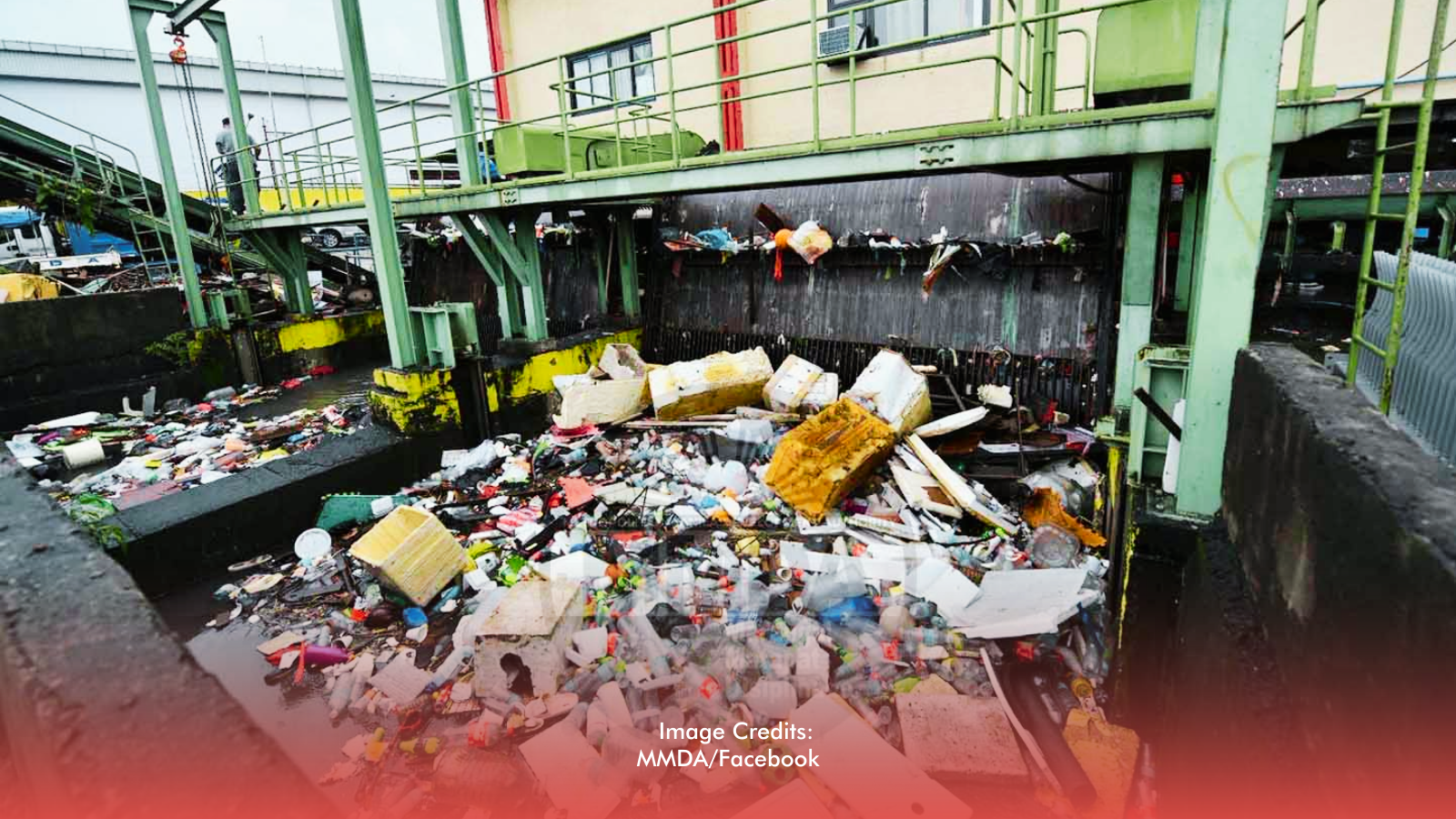
- Deposits include soil, garbage, and sand, with sand hardening over time and making declogging more challenging.
- Surveys show that 80% of manholes are partially clogged, with some up to 50% blocked.
These issues make maintenance a major undertaking, even for a large, well-equipped pumping station.
The Difference Between a Flooded Street and a Passable One
Despite the challenges posed by clogged drains and aging infrastructure, the Tripa de Gallina Pumping Station remains a critical lifeline for surrounding communities. By efficiently moving excess water away from low-lying areas, it helps protect homes and businesses from flooding, keeps roads passable during heavy rains, and reduces the risk of accidents and property damage.
Clearing the Way, One Drain at a Time
The MMDA investigates and clears debris from the station and surrounding channels. Not only that, proposed measures like drainage nets and rehabilitation projects aim to improve efficiency and reduce the strain caused by waste and sediment accumulation.
Shared Responsibility
Flood control covers more than just rain. The Tripa de Gallina Pumping Station shows that infrastructure, maintenance, and public cooperation all matter. Facilities like this quietly protect the city every day, a stark reminder that keeping Metro Manila livable requires both strong systems and mindful communities.