Metro Cebu may soon face tighter water conditions as the Metropolitan Cebu Water District (MCWD) prepares contingency measures in anticipation of a possible El Niño event. The agency is gearing up for potential supply disruptions that could significantly affect daily water availability across the metro.
Projected Decline in Major Water Sources
MCWD is projecting a shortfall of about 43,000 cubic meters per day, as several of its major water sources are expected to experience reduced output under drier weather conditions. This anticipated drop has raised concerns over supply stability in both residential and commercial areas.
Output from Jaclupan is expected to decline from 25,000 cubic meters per day to 7,000 cubic meters per day, while Buhisan Dam may fall from 5,000 cubic meters per day to zero. Lusaran Bulk Water supply is also projected to decrease from 20,000 to 10,000 cubic meters per day, and Compostela Bulk Water Supply could drop from 10,000 cubic meters per day to zero. Combined, these reductions could lead to an overall deficit of around 43,000 cubic meters per day, or roughly 15 percent of MCWD’s total production.
Rationing and Emergency Measures Underway
To address the expected shortage, MCWD is preparing to implement water rationing in affected areas, including parts of Talisay City and Cebu City. The utility is also fast-tracking the installation of pumping stations in 11 public schools in Cebu City to help stabilize access in key locations.
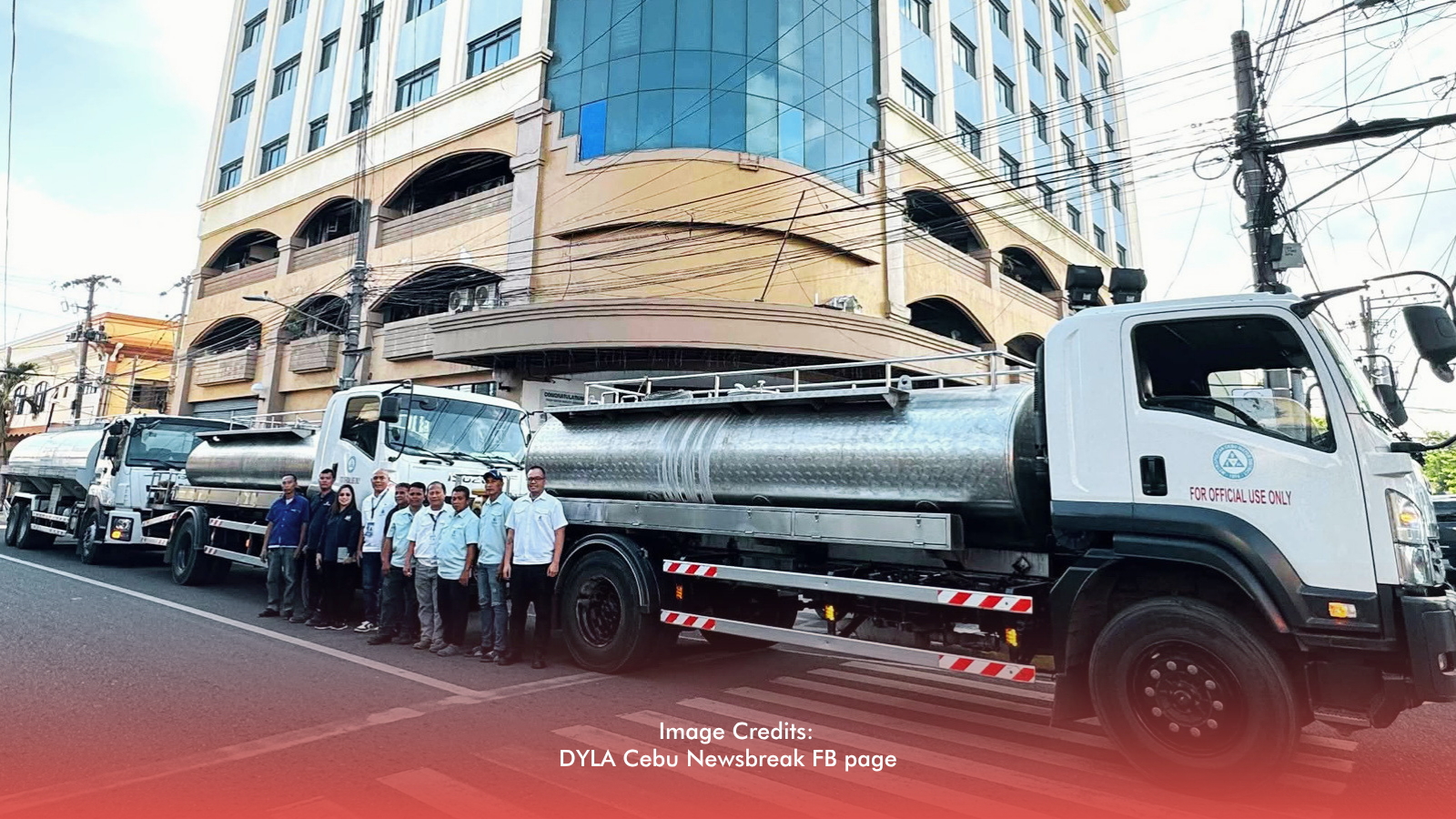
Additional mitigation efforts include deploying water tanker trucks to remote and elevated communities, tapping alternative water sources, accelerating well development and pipeline connections, and securing supplemental bulk water supplies, including desalinated water. Authorities are also preparing an information campaign to encourage water conservation among consumers.
MCWD General Manager John Dx Lapid initiated technical consultations with Pagasa to better assess possible climate conditions in the coming months. During the briefing, the weather bureau reported that the country is currently experiencing neutral conditions following a weak La Niña phase.
However, there is a 62 percent chance that El Niño will develop between June and August 2026, with probabilities rising to at least 83 percent by year-end. Pagasa also noted that while around eight to 16 tropical cyclones are expected this year, fewer may directly affect the country during El Niño periods as storms tend to recurve away.
If the phenomenon develops later in the year, it could persist into 2027 and typically last between eight to 12 months at full intensity. MCWD also warned that extended dry spells may reduce soil moisture and limit groundwater recharge, affecting underground reserves that serve as a key water source for Metro Cebu.
Past strong El Niño events, including those in 1982–1983, 1997–1998, and 2015–2016, have historically brought drought conditions in several parts of the country, including Cebu. With the likelihood of development increasing, MCWD is urging the public to begin conserving water early as part of a broader effort to reduce the impact.
For residents, the potential shortage highlights how climate conditions can directly affect daily life, from household water access to business operations, underscoring the importance of preparedness in water-scarce periods.
RELATED: [Why A Water-Rich Philippines Still Faces Water Shortages]